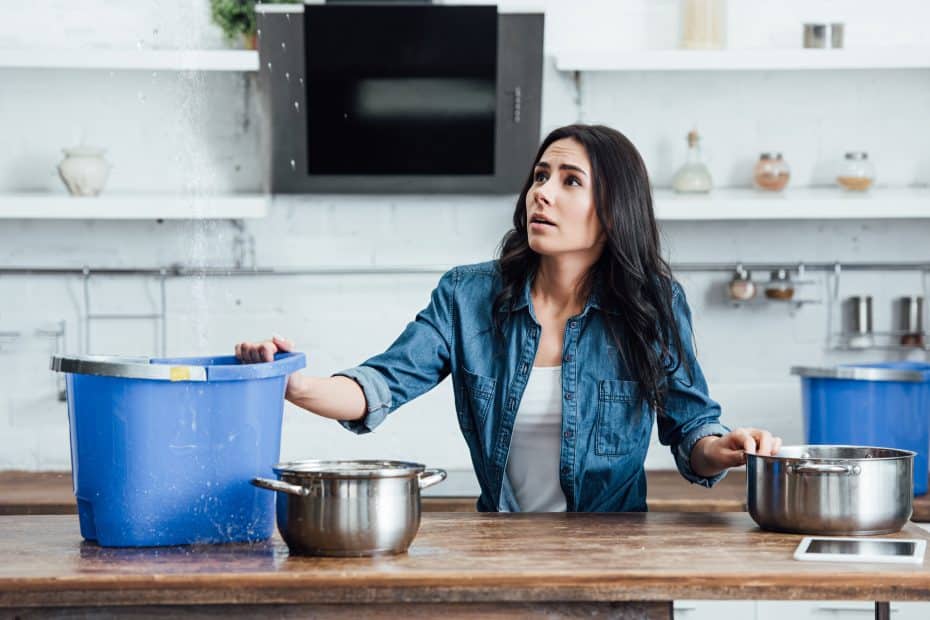
Water damage can be a huge headache for any homeowner. It can lead to extensive damage and costly repairs if not addressed immediately. This article will discuss what you should do if you experience water damage in your home. We will also provide tips on preventing water damage from happening in the first place!
How Water Damage Can Occur

Water damage can be from a natural disaster, such as a hurricane or tornado. There are many reasons why water damage can occur; one common cause is heavy rains or flooding, which can overwhelm sewer systems and cause water to back up into homes and businesses. Another common cause is faulty plumbing, which can allow water to leak from pipes or fixtures.
Whatever the cause, it is essential to take quick action to minimize the damage. If water is allowed to sit for too long, it can lead to the growth of mold and mildew, which can cause serious health problems. It can also cause structural damage to buildings, resulting in costly repairs. Therefore, it is important to act quickly if you suspect that your home or business has been affected by water damage.
What You Should Do About Water Damage
Water damage can be addressed in many ways, depending on the situation. Here are some steps you should take if your home or business has been affected by water damage:
Secure Your Home
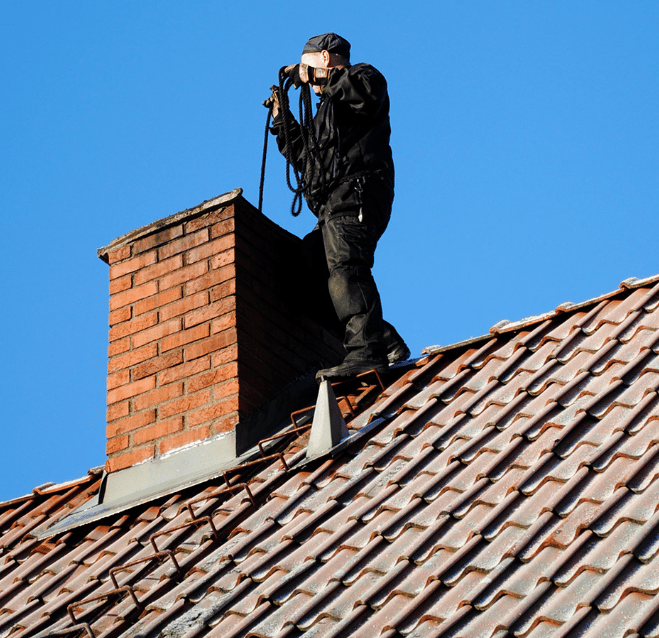
Water damage is one of the most common and costly problems homeowners face. According to the Insurance Information Institute, water damage accounts for more than 20% of all homeowners insurance claims each year, with the average claim costing more than $10,000. While natural disasters like floods or hurricanes cause some water damage, the vast majority are due to smaller leaks that go undetected for long periods. These leaks can come from various sources, such as broken pipes, overflowing washing machines, or leaky rooftops.
The first step in preventing water damage is to secure your home against potential sources of leaks. Make sure that all pipes and appliances are in good working order and that there are no gaps or cracks in your home’s exterior that could allow water in. You should also regularly inspect your basement, attic, and crawl spaces for signs of moisture or leaks. If you find water damage, it is vital to act quickly to mitigate the problem. The longer water is allowed to pool and spread, the more severe the damage will be.
Inform Your Insurance Company

Homeowners’ insurance policies typically cover water damage caused by burst pipes, according to the Insurance Information Institute (III). Nuclear accidents are another example of an event that homeowners insurance could cover, III says. Suppose your home is destroyed or substantially damaged by a covered peril. In that case, your homeowner’s policy will pay to rebuild or repair your home up to the limit of liability specified in the policy. The amount of coverage you need depends on the replacement cost value of your home and personal belongings.
If your home sustains water damage, you should first call your insurance company and notify them of the problem. Be prepared to answer questions about when the water damage occurred, how long it took for you to discover the damage, what caused the water damage (i.e., broken pipe, severe weather, etc.), and whether or not anyone was injured as a result of the incident.
Once you’ve reported the claim, an insurance adjuster will likely assess the extent of the damage and determine how much money will be needed to repair or replace any damaged property. In some cases, the insurance company may decide to pay for a temporary place for you to stay while your home is being fixed. It’s also a good idea to take photos or videos of the damage for future reference.