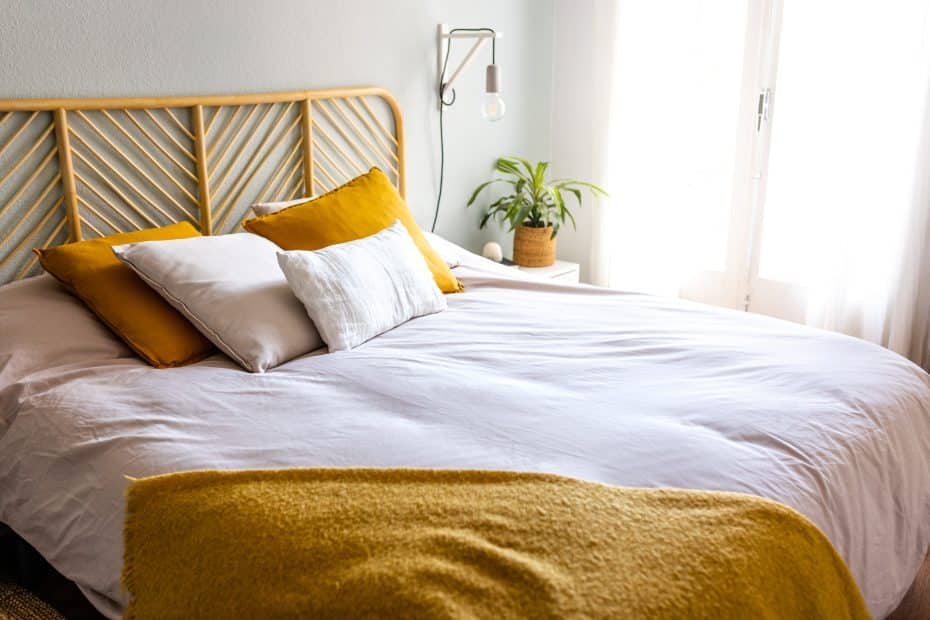
Humans have an innate connection to natural light. It has the power to improve your mood, boost your productivity, and even enhance your overall health. So, it’s no surprise that trying to make the most of this in living spaces has become a growing trend.
Not only does it create a more inviting and pleasant environment, but it can also help reduce energy costs and environmental impact. If this sounds like something you can get behind, this post will cover some practical tips and tricks for maximizing natural light in your home, from simple adjustments to larger renovation projects.
Assessing Your Homes Natural Light
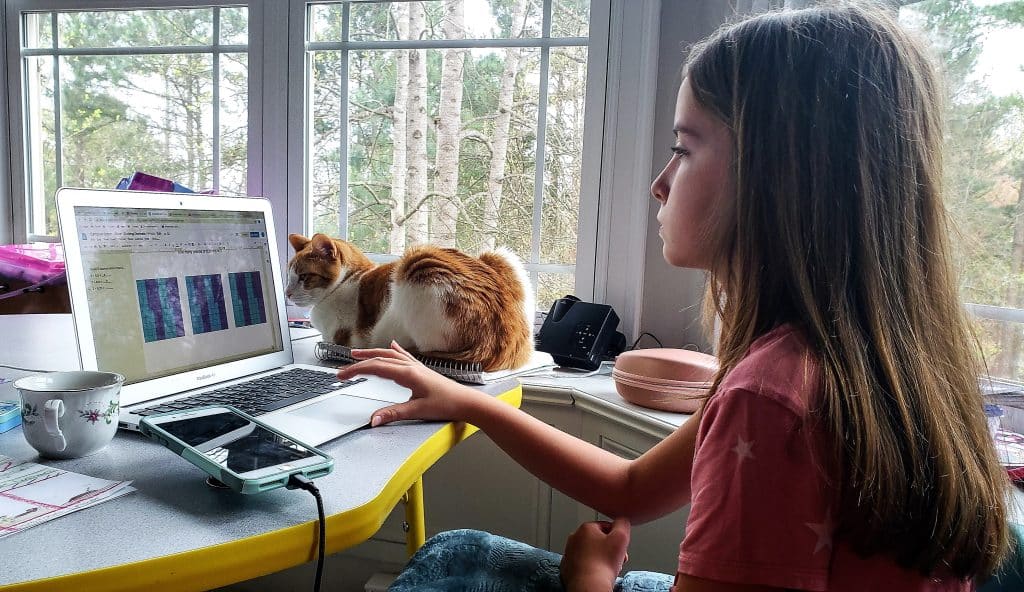
Assessing the natural light in your home is a crucial aspect of creating a comfortable and inviting living space. The amount of natural light that enters your home can affect everything from mood to cognitive function. If your home is too dark, you might struggle to stay energized and motivated throughout the day. On the other hand, if your home is too bright, it can lead to eye strain and headaches. To assess your home’s natural light, start by looking at the position of the windows and the time of day.
From there, you can determine which areas of your home get the most natural light. This might be your living room, kitchen, or bedroom. Once you’ve identified the areas that get the most natural light, you can begin to think about how to maximize it.
Methods For Maximizing Natural Light In Your Home
With a better understanding of how much natural light your home is already receiving, you can now start finding the perfect way to utilize it. Here are some practical methods that can help you make the most of your space and allow for the ideal amount of lighting:
Utilize Your Furniture

When it comes to making your home feel bright and airy, natural light is your best friend. One way to amplify the amount of sunlight entering your space is to consider how you place your furniture. Start by arranging your seating areas in close proximity to any windows or glass doors. This will allow you to soak up as much sunshine as possible, no matter the time of day.
You should also consider using light-colored fabrics and furniture which reflect light instead of darker, more absorbent materials. Lastly, avoid placing big, bulky items in front of windows, which can block and decrease the amount of natural light that enters your home. With these simple design tips, you can create an inviting and sun-filled space to enjoy all year long.
Paint Interior Walls Lighter Colors

Another way to enhance the natural light in your home is by painting your interior walls with lighter colors. Not only do lighter hues create a more spacious and inviting atmosphere, but they also reflect more light, making the room feel brighter and airier. Pastels, soft neutrals, and cool tones are all great options for painting your walls if you want to optimize the natural light in your living space.
With the right color choices, you can transform your home into a more cheerful and uplifting environment – all without the need for extra lamps or light fixtures. So, if you’re looking to brighten up your home and create a more refreshing space, think about the colors you are using on your walls.