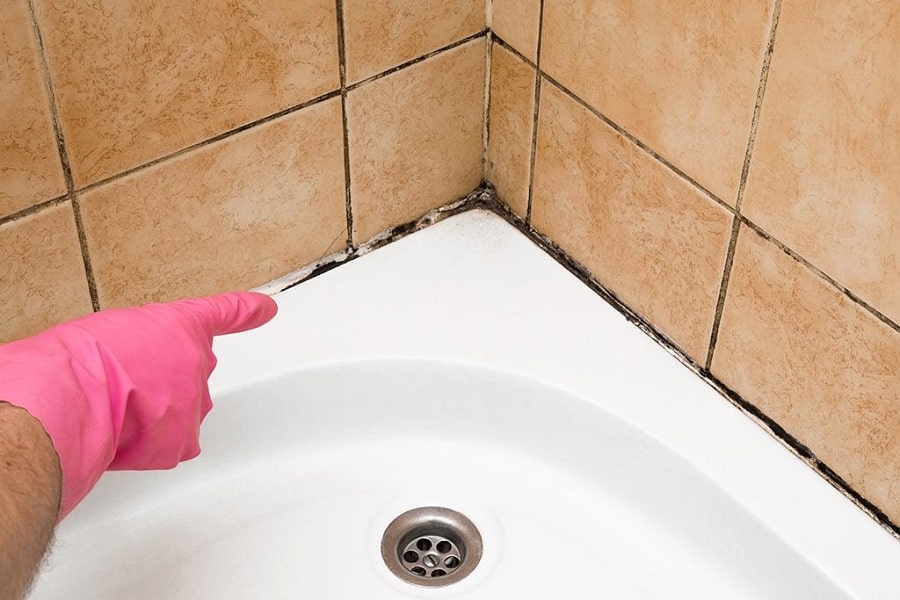
Mold in the shower is a common yet troublesome issue many homeowners face. Not only is it unsightly, but it can also pose various health risks, including respiratory problems and allergies. The damp and humid environment of a bathroom provides the perfect breeding ground for mold, making it a persistent problem. This article will give you actionable tips and insights to tackle shower mold effectively, ensuring a cleaner and healthier living space.
What is Shower Mold?

Mold is a type of fungus that thrives in moist environments, and your shower is no exception. It can appear in various colors, including black, green, and pink, and often forms in corners, grout lines, and behind fixtures. Showers offer a perfect habitat for mold due to the constant moisture and lack of ventilation. Understanding the types of mold and why they grow in your shower is the first step in tackling the problem.
Different types of mold can be commonly found in showers, such as Cladosporium, Penicillium, and the infamous black mold, Stachybotrys. Each type has its own characteristics and potential health risks. Knowing what you’re dealing with can help you choose the most effective cleaning agents and methods, setting the stage for a mold-free shower.
Why is Mold in the Shower a Problem?

Mold isn’t just an eyesore; it can have serious implications for your health. Prolonged exposure to mold spores can lead to respiratory issues, skin irritations, and even more severe health problems in extreme cases. The health risks are particularly concerning for individuals with pre-existing conditions like asthma or allergies.
Beyond health concerns, mold can also cause aesthetic and structural damage to your bathroom. It can stain tiles, ruin grout, and emit a musty odor that’s hard to eliminate. If left untreated, mold can even weaken the structural integrity of your walls and flooring, leading to costly repairs down the line.
Signs You Have a Mold Problem

The first sign of a mold problem is usually visible mold spots, which can appear on tiles, grout, or even your shower curtain. These spots may start small but can quickly spread if not addressed. Another telltale sign is a persistent musty odor, which indicates the presence of mold even if you can’t see it.
In some cases, the presence of mold can manifest through health symptoms. If you or your family members experience sudden allergies, respiratory issues, or skin irritations, it might be time to inspect your shower for mold. Recognizing these signs early can save you time and effort in the long run, allowing you to take action before the problem escalates.
Preventive Measures
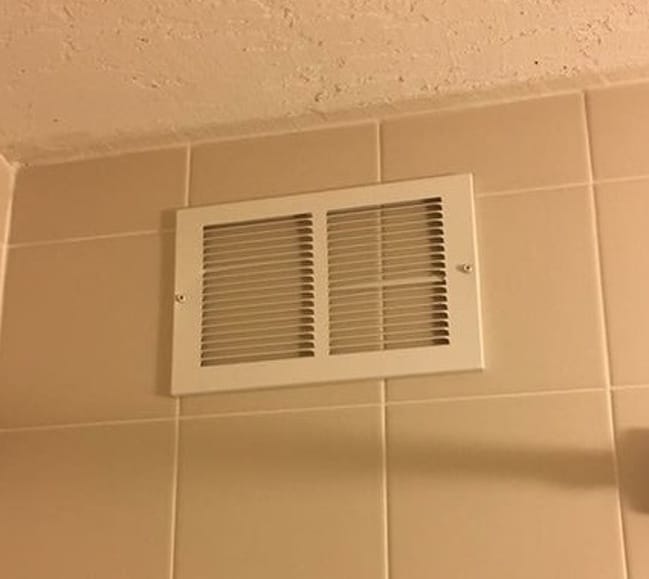
Preventing mold growth is often easier than treating an existing problem. One of the most effective preventive measures is ensuring proper ventilation in your bathroom. An exhaust fan can help remove moisture, and keeping windows open when possible can also aid in drying out the space. Additionally, after each shower, make it a habit to wipe down wet surfaces to minimize standing water, which is a breeding ground for mold.
Another preventive strategy is to incorporate mold-resistant materials into your bathroom. For instance, using mold-resistant grout and tiles can make a significant difference in mold growth. Similarly, opting for a mold-resistant shower curtain and keeping your bathroom items dry can go a long way in preventing mold. Regular maintenance, like re-caulking areas prone to mold, can also help keep the problem at bay.