

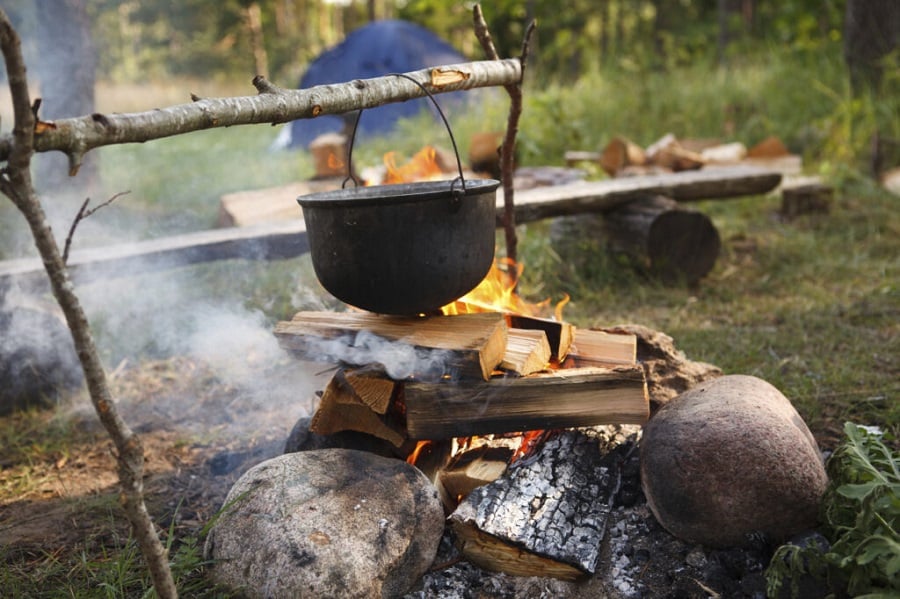
Dutch Oven Cooking
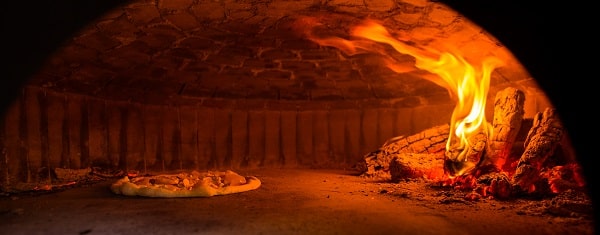
A Dutch oven is a heavy, thick-walled pot, usually made of cast iron, that can retain heat for a long time. Dutch oven cooking can be a versatile and efficient meal preparation method in a disaster scenario. It allows for various cooking techniques, such as baking, boiling, and roasting. The heat retention property of the Dutch oven means that once heated, it can continue cooking the food even when the heat source is removed.
Despite these advantages, there are some considerations to keep in mind. Dutch ovens are heavy and not easily portable. They also require a fair amount of heat to get started. They can be used over an open fire, a stove, or charcoal briquettes. Proper cleaning and seasoning of the oven are also important to prevent rusting and ensure longevity.
Fuel Tablet Stoves

Fuel or solid fuel tablets offer another portable and lightweight cooking solution during emergencies. These tablets are compact, easy to light, and burn efficiently, making them ideal for heating small amounts of food or water. A fuel tablet stove is a small metal stand that holds the tablet and a pot above it.
While they offer convenience, fuel tablets have their limitations. The heat output from these tablets may not be sufficient for cooking larger meals. Additionally, they burn out relatively quickly, so you’ll need a substantial supply for longer-term scenarios. As with any cooking method involving flames, safety precautions must be adhered to avoid burns or fire-related accidents.
Using A Thermos For Cooking
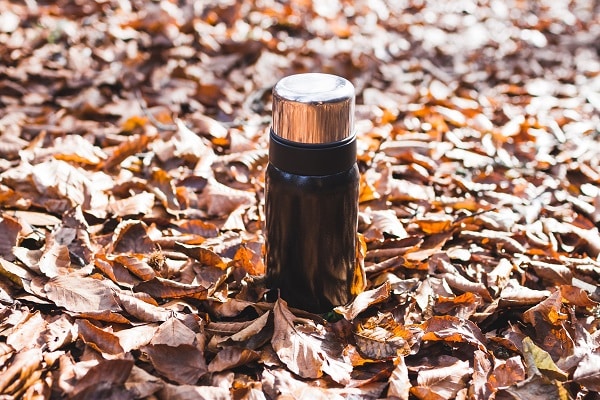
Thermos cooking, also known as “thermal cooking,” is a fuel-efficient cooking method. It utilizes the heat retention capability of insulated containers to cook food or keep it warm. This method involves bringing food to a boil and transferring it to a preheated thermos to continue cooking. It’s especially suitable for soups, stews, and hot cereals.
As efficient as it may be, thermos cooking does have its limitations. Not all foods can be cooked in a thermos; it’s best suited for dishes that require slow cooking or long simmering. Additionally, the size of your thermos limits the amount of food you can cook at a time. Despite these constraints, with some planning, thermos cooking can be a valuable part of your emergency cooking repertoire.
Homemade Alcohol Stove
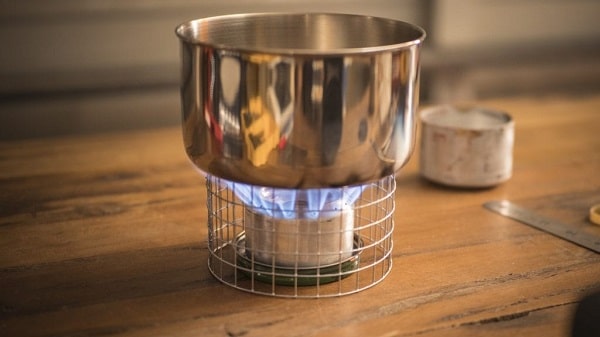
An alcohol stove is a simple, lightweight, and reliable cooking solution that can be homemade. You can create a functioning stove using a few common materials, like a soda can and a punch. Alcohol stoves run on denatured alcohol, which is relatively easy to find and store. They are ideal for boiling water or heating small amounts of food.
Creating and using an alcohol stove does require some caution. The flames from alcohol can be hard to see, especially in bright light, leading to potential accidents. It’s important to ensure that the flame has been extinguished after use. Moreover, they may not be the best option for larger meals or prolonged cooking, but they are a lightweight and compact emergency solution.
The Bottom Line
Preparing for emergencies is crucial, and being able to cook food is an essential part of that preparation. This article has presented various methods, from traditional open fires to more modern solutions like portable gas stoves and solar ovens. Each has advantages and limitations, and the best choice will depend on the specific circumstances, location, and available resources.
In conclusion, understanding these emergency cooking methods is vital to disaster preparedness. Not only does it enable survival, but it also provides a sense of control and normalcy during challenging times. Therefore, everyone is recommended to develop their emergency preparedness plans, including suitable cooking methods.