
There are moments when allowing access to one’s home in their absence becomes a necessity. It might be for a friend picking up a borrowed book, a relative dropping by, or perhaps service personnel performing scheduled maintenance. In such instances, having a discreetly placed spare key outside can be invaluable. However, the challenge lies in choosing a hiding spot that’s easily accessible for the right people but remains elusive to potential intruders. Balancing this convenience with security is a delicate dance, and the following strategies aim to strike that perfect balance. This article will go over some safe ways to hide a key outside, so that homeowners can ensure both peace of mind and ease of access when needed.
Under The Door Mat
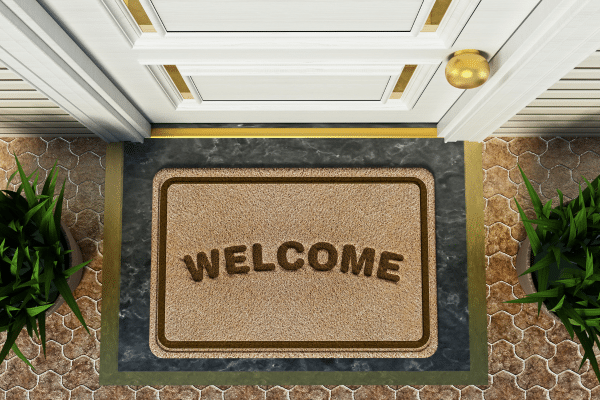
The allure of placing a key under the door mat lies in its sheer simplicity. Almost everyone can recall a movie or TV show where a character retrieves a key from this spot, making it a widely recognized hiding place. But while its popularity underscores its convenience, it also means it’s one of the first places a would-be intruder might check. Homeowners should be wary of relying solely on this method unless they’re employing additional measures to deter detection, such as using a specially designed mat with a concealed pocket.
In a world where predictability can be a homeowner’s worst enemy, using the door mat method requires some creativity. One might consider using it as a decoy, placing a non-essential key beneath it, while hiding the actual house key elsewhere. This not only confuses potential burglars but also gives homeowners a psychological edge, knowing they’ve outsmarted a common security flaw.
In A Fake Rock
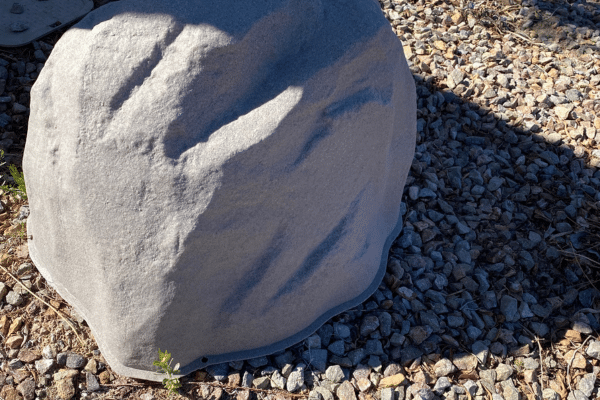
Nature provides an abundance of hiding spots, and many manufacturers have leveraged this by creating realistic fake rocks designed to conceal keys. These rocks, often made from a combination of resin and other materials, blend seamlessly into garden beds and landscapes, making them a more secure alternative to the predictable door mat.
However, placement is crucial when utilizing a fake rock. Scatter it amongst other real rocks or place it in a garden bed to ensure it doesn’t stand out. It’s essential to remember that the rock’s efficacy as a hiding spot is only as good as its ability to blend in. Regularly changing its location can also add an additional layer of unpredictability, ensuring that even if someone is onto the trick, they won’t know where to begin their search.
Above Door Frames
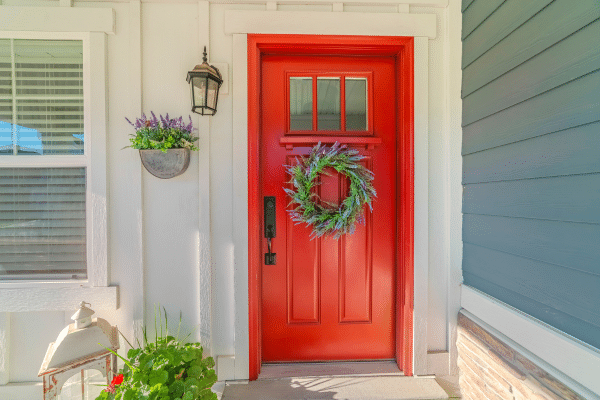
A lesser-known hiding spot is the space above door frames. This location is less obvious to the casual observer and can be especially effective for taller doors or entrances with decorative moldings that provide a ledge. Given that most individuals wouldn’t instinctively reach above a door frame when searching for a key, this method offers a heightened level of security compared to more traditional hiding places.
When placing a key in such a location, it’s recommended to use a small piece of tape or a magnet to ensure the key remains in place. For those living in areas with frequent rainfall or moisture, considering the use of a small waterproof bag can be beneficial. This not only keeps the key dry but also adds a layer of protection from potential corrosion or damage.