
Smart homes are no longer a futuristic concept; they are a present-day reality that continues to transform daily life. With the integration of various technologies, smart homes offer convenience, efficiency, and a personalized living experience. From controlling lighting with a simple voice command to managing home security from miles away, the possibilities are endless. In this post, you will get a look at some of the top smart home trends that are shaping the way people live. Whether you are a tech enthusiast or simply curious about what the future holds, these trends are worth knowing about.
Super Fast Internet Services

The foundation of any smart home is a robust and reliable internet connection. Super fast internet services, particularly through fiber optic cable, have become a crucial element in ensuring the smooth functioning of smart home devices. With ultra-low latency and high bandwidth, these internet services enable appliances to communicate quickly and efficiently. Whether it’s connecting the home network to a central hub or linking the hub to phone apps for command issuance, a strong internet connection is indispensable.
The trend towards super fast internet is not just about speed; it’s about creating a seamless experience that enhances every aspect of smart home living. From savings on power usage to extended-range connectivity, the benefits are far-reaching. Most importantly, efficient connectivity ensures that homeowners can communicate with their homes from remote devices, having complete control over various functions. This trend sets the stage for all other smart home innovations, making it an essential part of modern home technology.
Smart Hub With Voice Assistance

Smart hubs with voice assistance are revolutionizing the way people interact with their homes. These devices act as the central control system, allowing users to issue verbal commands to various appliances. Top worldwide companies have released versions of smart hubs, such as Samsung SmartThings, Aeotec Smart Home Hub, Apple’s HomePod Mini, and Amazon Echo compatible with Alexa. Each of these hubs comes with unique features and compatibility, catering to different user preferences.
The integration of voice assistance takes the convenience of smart hubs to a new level. No longer do you need to fumble with switches or remote controls; a simple voice command can turn on the lights, adjust the thermostat, or play your favorite music. This trend reflects a move toward a more intuitive and personalized home experience, where technology responds to natural human interaction. It’s a glimpse into a future where your home understands and responds effortlessly to your needs.
Integrating With The Internet Of Things (IoT)
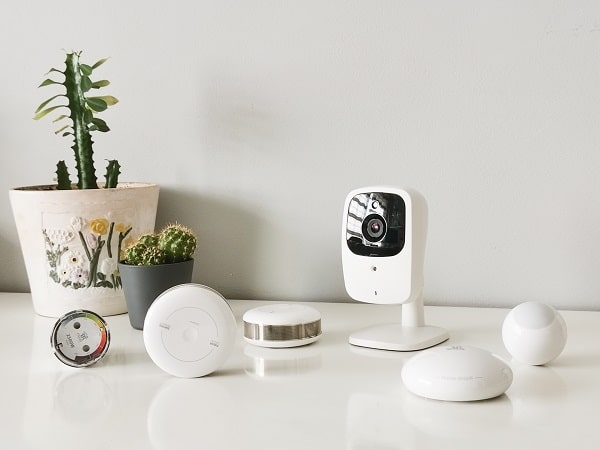
The Internet of Things (IoT) is a concept that refers to the interconnection of everyday devices and appliances, allowing them to work in harmony. In the context of smart homes, complete integration with IoT is a trend that’s shaping the way people live. Technology enables smooth configuration with just a few taps on your smartphone, and you don’t need to be tech-savvy to set up a smart home that functions like a single unit. Once installed, most devices connect via Bluetooth or Zigbee protocols automatically, presenting an interactive screen on your phone.
This trend goes beyond mere convenience; it’s about creating a cohesive ecosystem where every aspect of home living is enhanced. Whether scheduling lighting, integrating your smart fridge to create shopping lists, or automating daily tasks, IoT makes it all possible. The beauty of this trend lies in its simplicity and efficiency, turning complex technological processes into user-friendly experiences. It’s a step towards a world where your home is not just a place to live but an intelligent space that adapts and responds to your lifestyle.
Artificial Intelligence (AI)

Artificial Intelligence (AI) is no longer confined to science fiction; it’s a tangible part of your daily life, especially in the realm of smart homes. Most people are familiar with voice assistants like Siri, Alexa, Echo, and Google Assistant, but AI goes beyond that. The next step in smart home trends is artificial learning, where AI learns to identify your preferred settings and customizes them for you. As AI continues to evolve, you can expect a better understanding of voice prompts and more interactive responses.
The integration of AI into smart homes is not just about convenience; it’s about creating a more personalized and intuitive experience. From creating to-do lists and setting up reminders to scheduling lights and even predicting your needs, AI is only scratching the surface of what’s possible.
