

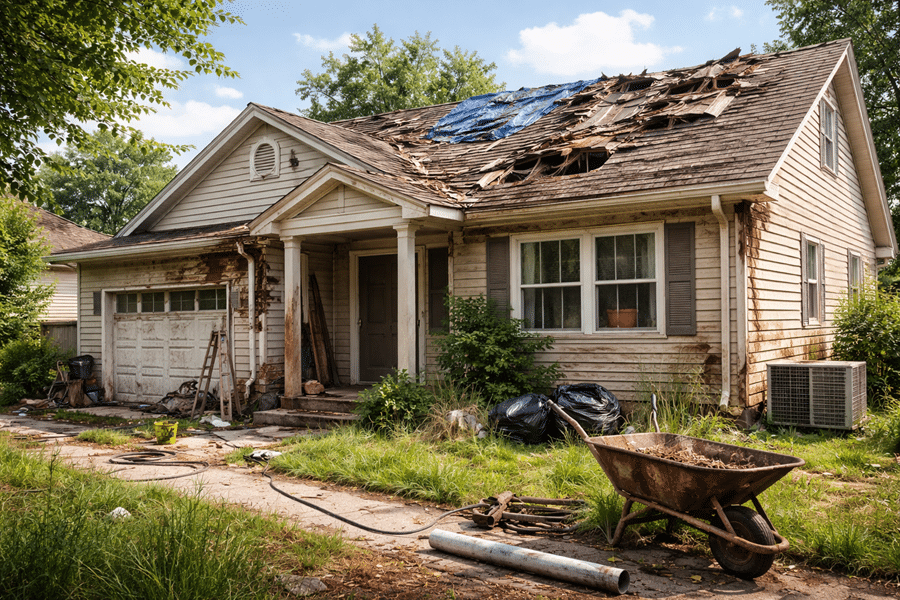
DIY Projects That Backfire
Many homeowners attempt to improve their homes with do it yourself projects. While the intention is good, the results can sometimes hurt more than help.
Uneven finishes, poor craftsmanship, or mismatched materials stand out immediately. Buyers notice these flaws and often assume they will need to redo the work themselves.
Instead of adding value, these projects can lower it. Professional quality work builds confidence, while amateur work raises concerns and reduces offers.
Unpermitted Work That Stops Sales Cold
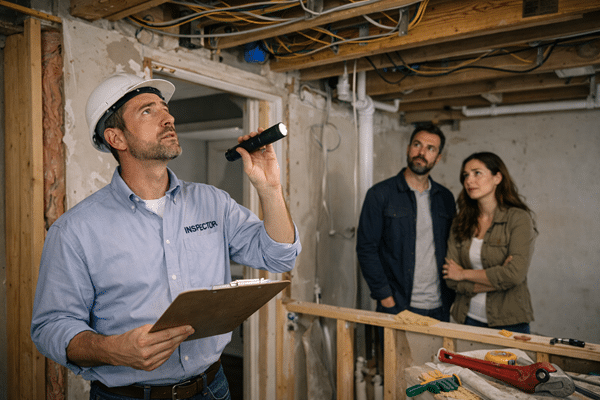
One of the biggest risks homeowners take is completing upgrades without proper permits. This might seem like a shortcut, but it can cause serious problems during the selling process.
When buyers discover unpermitted work, they may worry about safety, legality, and future complications. Lenders and inspectors can also flag these issues, delaying or even canceling the sale.
Proper documentation is not just a formality. It is a critical part of protecting a home’s value and ensuring a smooth transaction.
Dated Features That Make Homes Feel Like Projects
Outdated design elements can make a home feel less appealing even if everything is in good condition. Old fixtures, mismatched flooring, and outdated finishes create the impression that the home needs work.
Buyers are drawn to spaces that feel modern and move in ready. When a home looks outdated, they start adding renovation costs in their minds. This lowers the price they are willing to pay.
Simple updates like modern lighting and fresh paint can dramatically change how a home is perceived.
Layouts That No Longer Match Buyer Preferences
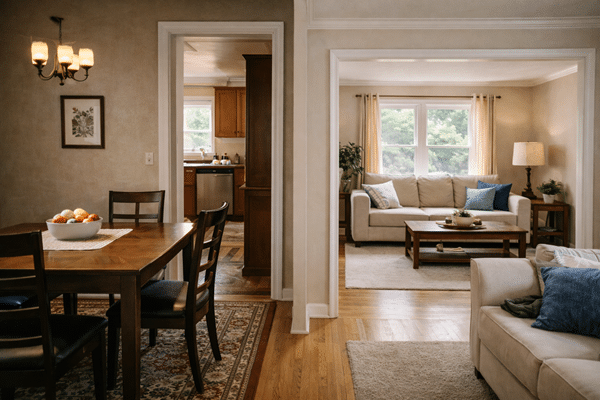
The way a home is laid out plays a huge role in its value. Many buyers prefer open and connected spaces that feel bright and spacious.
Homes with closed off rooms and awkward flow can feel smaller and less inviting. Even if the square footage is the same, layout affects how usable the space feels.
Improving flow does not always require major renovations. Strategic changes in furniture placement and lighting can help create a more open and appealing environment.
Curb Appeal That Sets the Tone Instantly
The exterior of a home is the first thing buyers see, and it shapes their expectations before they even step inside. A neglected exterior creates doubt right away.
Overgrown landscaping, peeling paint, or cluttered entryways suggest that the home has not been well maintained. This perception carries into the rest of the showing.
A clean and attractive exterior creates a positive first impression. It invites buyers in and sets the stage for a better overall experience.
Simple Fixes That Protect Your Home’s Value
Protecting resale value does not require massive renovations. It starts with consistent care and attention to detail.
Fixing small issues early prevents them from becoming larger problems. Regular maintenance keeps the home in good condition and reduces surprises during inspections.
Staying proactive is one of the most effective ways to maintain and even increase value over time.
Creating a Space Buyers Can Connect With
Buyers need to imagine themselves living in a home. A cluttered or overly personalized space makes that difficult.
Removing excess items and creating a clean, neutral environment helps buyers focus on the home itself. This emotional connection is a key factor in driving strong offers.
A well presented home feels inviting and easy to move into, which increases its overall appeal.
Why Documentation Builds Buyer Confidence
Keeping records of repairs and upgrades adds another layer of trust. Buyers feel more comfortable when they can see that a home has been properly maintained.
Documentation shows transparency and care. It reassures buyers that they are making a smart investment rather than taking a risk.
This confidence often translates into stronger offers and smoother negotiations.
Final Thoughts
The biggest threat to a home’s resale value is not dramatic or unavoidable. It is the gradual impact of deferred maintenance that quietly chips away at buyer confidence. Small problems left unaddressed grow into major concerns that lower offers and delay sales. Buyers in today’s market are paying close attention and expecting more than ever before. A home that feels cared for stands out immediately, while one that shows signs of neglect struggles to compete. The difference comes down to consistent maintenance, thoughtful updates, and presenting a space that feels clean, functional, and reliable. Taking action early not only protects value but can make the entire selling process smoother, faster, and far more profitable.