

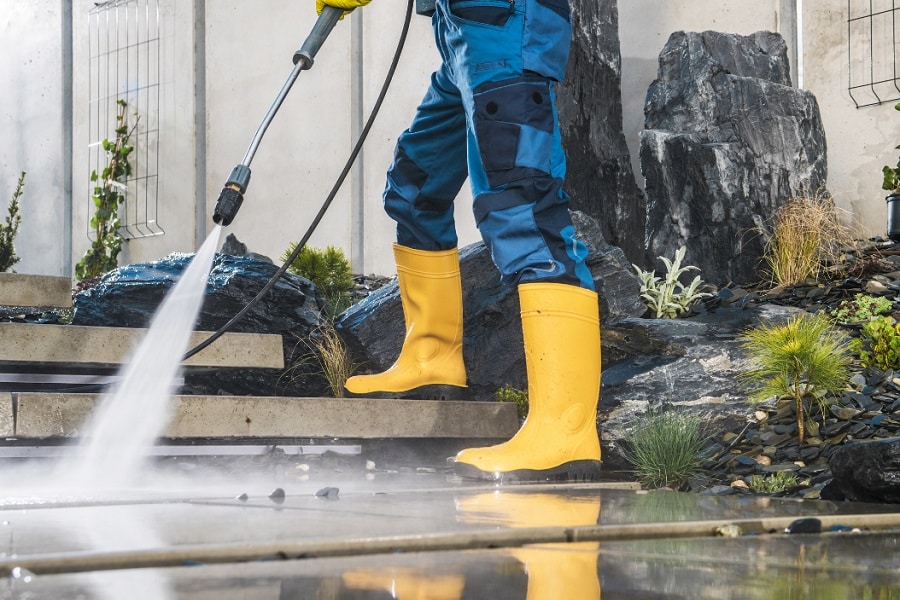
Pressure washers have become an indispensable tool for homeowners and professionals alike. These powerful machines, which harness the force of pressurized water to blast away dirt, grime, and other stubborn residues, offer a level of cleaning that’s hard to achieve with traditional methods. As their popularity continues to grow, many are discovering the myriad of benefits they bring, from saving time and money to enhancing the appearance and longevity of various surfaces. In this article, you’ll dive into the reasons why owning a pressure washer might just be one of the best decisions you can make for your home or business.
The Basics of Pressure Washing

A pressure washer, at its core, is a device that pumps water at a high velocity, turning it into a powerful cleaning stream. This stream is then directed through a nozzle, allowing users to target specific areas with precision. There are two primary types of pressure washers: electric and gas-powered. Electric models are generally quieter and suitable for smaller tasks, while gas-powered versions offer more power, making them ideal for larger or more stubborn cleaning jobs.
The beauty of pressure washing lies in its simplicity. With just water – and occasionally some detergent – these machines can tackle a range of cleaning tasks that would be labor-intensive or even impossible with other methods. Whether it’s revitalizing a grimy patio, cleaning a stained driveway, or giving a weathered fence a fresh look, a pressure washer is often the tool of choice for quick and effective results.
Time And Cost Efficiency

In today’s fast-paced world, finding efficient ways to complete tasks is more important than ever. Traditional cleaning methods, such as scrubbing by hand or using a garden hose, can be time-consuming and often less effective. Pressure washers, on the other hand, can drastically reduce the time it takes to clean large surfaces or stubborn stains. This efficiency doesn’t just save time; it also translates to monetary savings.
Consider the amount of water used by a garden hose compared to a pressure washer. The latter can use up to 80% less water for the same cleaning task. Additionally, the reduced need for expensive detergents or repeated cleaning sessions further adds to the cost-effectiveness of pressure washing. Over time, these savings can be significant, making the initial investment in a pressure washer well worth it.
Versatility Of Use
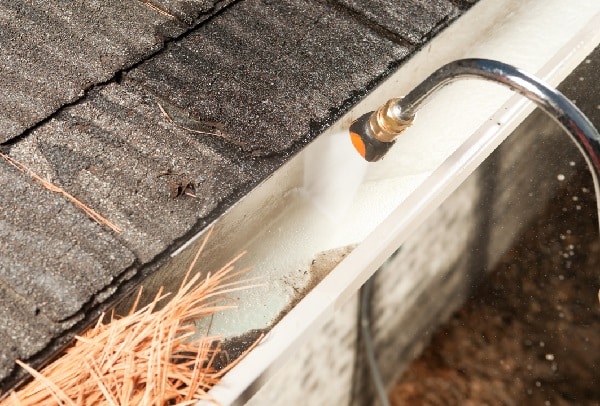
One of the standout features of pressure washers is their versatility. With the proper settings and attachments, they can be used on a plethora of surfaces without causing damage. From concrete driveways and wooden decks to cars and outdoor furniture, the list of items and areas that can benefit from a thorough pressure washing is extensive. This adaptability means that homeowners can get more value out of a single machine, using it for various tasks around their property.
Furthermore, modern pressure washers come with adjustable settings, allowing users to modify the pressure based on the task at hand. This ensures that delicate surfaces aren’t damaged, while tougher stains receive the robust cleaning they require. With this level of adaptability, it’s no wonder that pressure washers have become a favorite tool for many.
Environmental Benefits
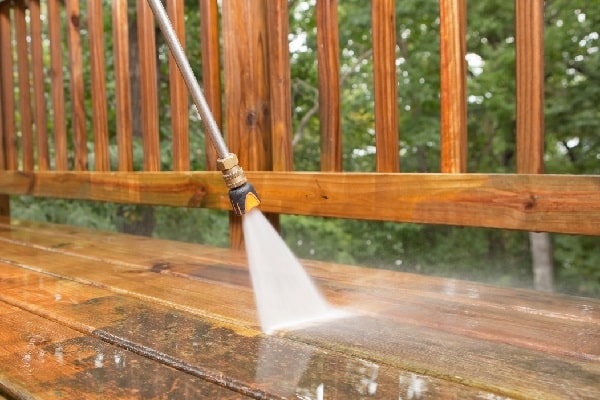
Pressure washers aren’t just about achieving a superior clean; they also offer environmental advantages that are worth noting. For starters, they consume significantly less water than traditional cleaning methods. When you consider the vast amounts of water often wasted using garden hoses or other methods, the efficiency of a pressure washer becomes evident. This conservation of water is not only good for the environment but also beneficial for regions where water scarcity is a concern.
Moreover, the power of pressurized water often reduces or even eliminates the need for chemical detergents. Many cleaning tasks can be accomplished with water alone, meaning fewer chemicals are washed into drains and, subsequently, water systems. For those who are environmentally conscious, this reduction in chemical usage is a significant advantage, aligning with efforts to reduce pollution and protect the planet.