


Your garden may seem like a peaceful retreat, filled with vibrant flowers and lush greenery, but beneath the surface, there could be more than meets the eye. From invasive plants quietly taking over to hidden pests and toxic plants lurking in plain sight, your garden may be harboring dangers you never even noticed. Many of these hazards not only threaten the health of your plants but can also harm you, your pets, and the environment. In this post, we’ll uncover the surprising things that could be hiding in your garden and how to address them before they become a serious problem.
Invasive Plants That Take Over
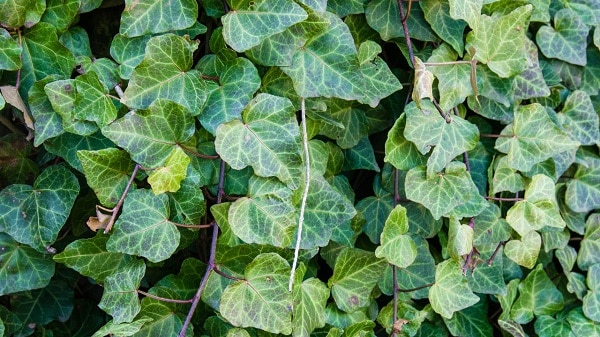
Invasive plants can sneak into your garden without you even realizing it, blending in with native plants until they’ve taken over. These plants, often introduced from other regions, spread rapidly and outcompete the local flora for sunlight, water, and nutrients. Common examples include Japanese Knotweed and English Ivy, both of which are notorious for their ability to spread uncontrollably. Left unchecked, these invasive species can completely overrun a garden, causing harm to the surrounding ecosystem and making it difficult to restore the balance of native plants.
What makes invasive plants even more dangerous is how easily they spread. Many invasive species can reproduce through tiny fragments, making it nearly impossible to remove them once they’ve established themselves. They can also be spread unintentionally by gardeners who unknowingly plant them or allow them to grow unchecked. As they spread, invasive plants not only crowd out native species but can also disrupt the habitats of insects, birds, and other wildlife that depend on those plants for survival. Spotting and removing these invaders early is crucial to preserving the health of your garden.
Dangerous Pests You Didn’t Know Were There

Your garden might be home to more than just plants and flowers—pests like ticks, aphids, and spider mites could be lurking beneath the foliage. These tiny creatures often go unnoticed until they’ve caused significant damage, either to your plants or to your health. Ticks, in particular, pose a serious risk as they can transmit diseases like Lyme disease to humans and pets. Aphids and spider mites, while not directly harmful to humans, can devastate plant life by sucking nutrients from leaves and spreading plant viruses.
Pests often find hiding places in dense vegetation, making them difficult to spot until infestations become severe. They can be carried into gardens by birds, wind, or even pets, rapidly multiplying and establishing colonies. The damage caused by these pests may not always be immediately visible but can weaken plants over time, leading to stunted growth or even death. Preventing infestations with regular inspections and eco-friendly pest control measures can help keep your garden healthy and free from these hidden invaders.
Toxic Plants Masquerading as Harmless

While your garden may be full of beautiful blooms, some of those plants could pose a serious threat to both humans and animals. Common garden plants like Oleander and Foxglove, while visually stunning, are highly toxic if ingested. Oleander, for example, contains cardiac glycosides, which can cause heart problems in both people and pets. Even brushing against certain plants can be dangerous, as some can cause skin irritation or allergic reactions through contact with their sap.
These toxic plants often blend in with non-toxic species, making it difficult for the average gardener to distinguish between them. They may be planted for their beauty or because they are easy to maintain, but the risks they pose far outweigh their aesthetic value. For gardeners with pets or small children, identifying and safely removing toxic plants is essential to creating a safe outdoor environment. Learning which plants to avoid and opting for safer alternatives can prevent accidental poisoning and ensure your garden remains a safe space for everyone.