Are you having electrical problems in your home and don’t know who to call or where to turn? Have you been feeling the effects of faulty wiring, unresponsive outlets, dimmer switches that won’t work properly, or lights flickering without reason? There’s no need for panic – there are steps you can take in order to diagnose and potentially remedy any problems. In this post, you will get a look at what causes electrical issues in your home as well as provide tips on what you can do if you find yourself facing any such issues. Read on to discover options available so that getting answers doesn’t result in significant expenses later on.
Identifying Electrical Issues in Your Home

Electrical issues may manifest in various ways. Some of the most noticeable signs include frequent circuit breaker trips, flickering lights, and non-functioning outlets. If your appliances are not getting enough power or your lights dim when you use multiple appliances, these could be signs of an underlying electrical problem. However, not all electrical issues are so obvious.
Some more subtle indications might include unusually high energy bills or a buzzing noise coming from your outlets or switches. You might also detect a slight burning smell, indicating a potentially serious issue such as overheated wiring. These problems might not disrupt your daily life as much, but they still warrant investigation.
What to Do When Your Home Has Electrical Problems
Ignoring electrical problems is never a good strategy. Even minor issues could escalate into severe problems if left unattended, leading to costly repairs and potential safety risks. Therefore, as soon as you identify an issue, it’s essential to take steps to diagnose and address it.
While you can handle some minor issues yourself, many electrical problems require the expertise of a professional electrician. This ensures that the issue is addressed safely and in accordance with local regulations and building codes.
Understanding Your Home’s Electrical System

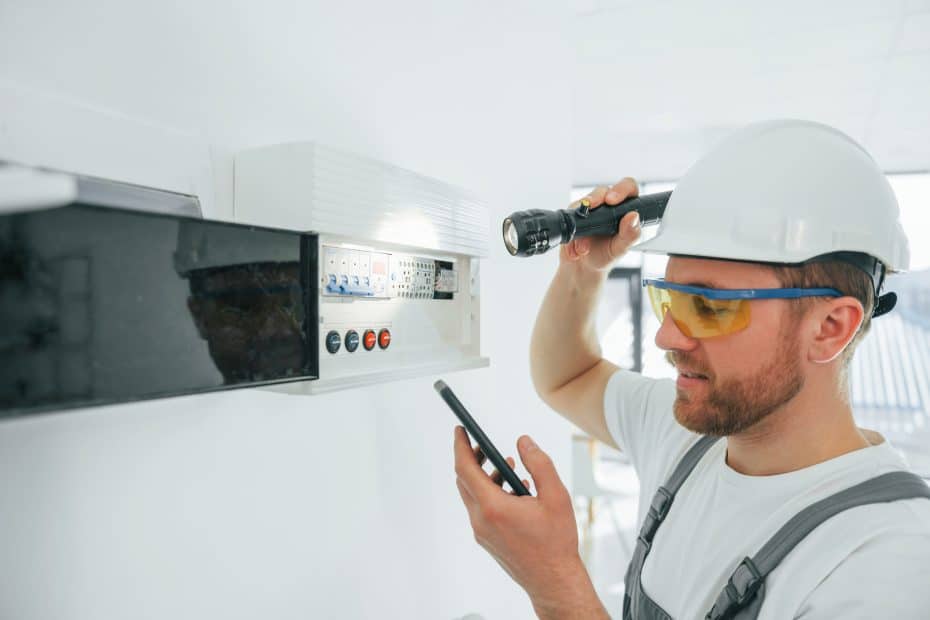
Understanding the basics of your home’s electrical system can help you better identify and address electrical problems. Your home’s electrical system will likely include a circuit breaker panel, which controls the electricity supply to different parts of your home. Each circuit breaker corresponds to a specific area or appliance in your home.
Additionally, your home’s wiring system is a network of wires that deliver electricity from the circuit breaker to outlets and fixtures throughout the house. Being aware of these components and their function can give you insights into what could be causing electrical problems and how serious they might be.
Safety Precautions with Electrical Problems

When dealing with electrical problems, safety should always be your first concern. Basic precautions include turning off the electricity when investigating a problem and never attempting to touch exposed wires or circuitry. Always use insulated tools and wear rubber-soled shoes to minimize the risk of electrical shock.
It’s also important to be aware of your limitations. If you’re unsure about anything, it’s better to call a professional. Missteps when dealing with electricity can lead to serious injuries or even fires. Remember, when it comes to electricity, it’s always better to be safe than sorry.