Common DIY Fixes for Minor Electrical Problems
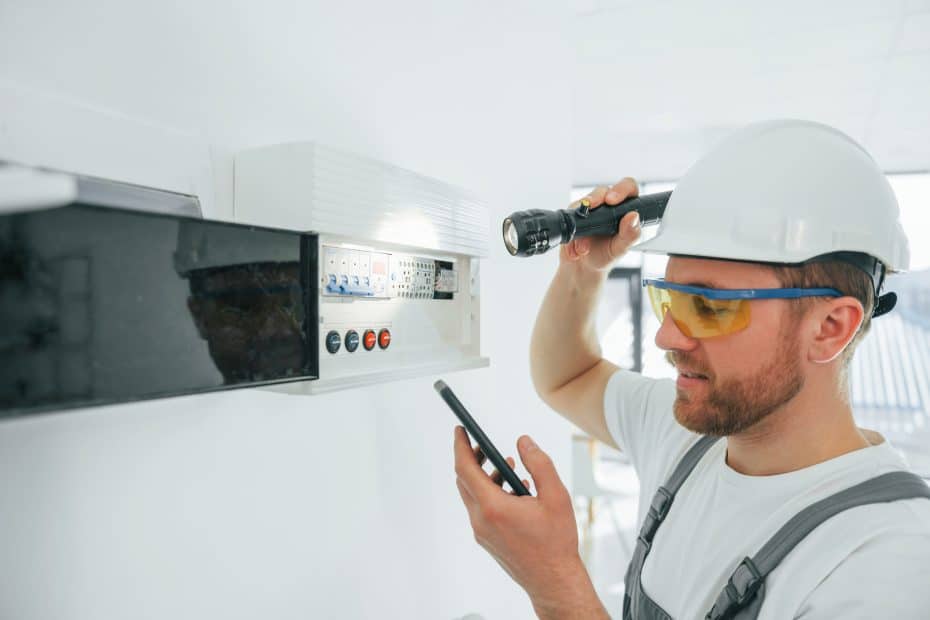
It’s a frustrating feeling to have an electrical issue in your home and not know where to start solving it. Luckily, there are some common DIY fixes for minor electrical problems that can save you time and money. One of the most common issues is a tripped circuit breaker. Simply head to your electrical panel and find the breaker that has switched off, then flip it back on. Another issue might be a blown fuse. Locate your fuse box and check for any fuses that have blackened or are otherwise damaged; replace them with new ones to restore power.
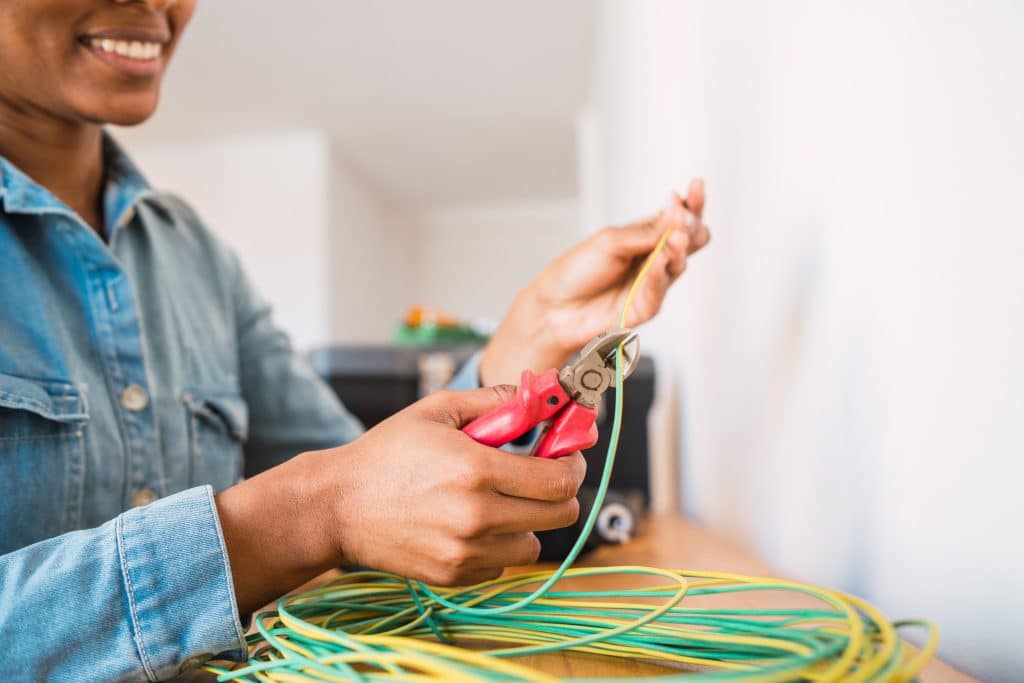
If you’re dealing with a flickering light or a faulty outlet, you may need to tighten any loose connections or replace the broken component altogether. By learning some basic DIY fixes, you can take charge of your home’s electrical issues and keep things running smoothly.
When to Call a Professional Electrician

While there are a few issues you can solve yourself, it’s crucial to know when it’s time to call a professional electrician. If you’re experiencing persistent electrical problems, or if the issue involves your electrical panel or wiring, it’s time to seek professional help. Other signs that it’s time to call a pro include discolored outlets, a burning smell, or if you’re frequently experiencing electrical shocks.
Remember, professional electricians have the training and experience to handle complicated issues safely and efficiently. They understand the regulations and building codes in your area and can ensure your electrical system is up to standard.
The Cost of Ignoring Electrical Problems

Ignoring electrical problems can lead to severe consequences. Not only can unresolved issues pose a risk to your safety, but they can also significantly damage your home’s electrical system and appliances. In severe cases, electrical issues can even cause fires.
Aside from the potential for physical harm and property damage, electrical problems can also be costly to repair, especially if they’ve been ignored for a long time. It’s far more economical to address issues promptly rather than waiting until they escalate into more serious problems.
Preventing Future Electrical Problems
Once you’ve solved your electrical problems, it’s a good idea to take preventive measures to protect yourself from future issues. Check all the cords in your home and make sure they’re not frayed or damaged. Make certain outlets are free of any debris that could be blocking airflow, and replace any damaged plastic covers.
Also, consider installing surge protectors to safeguard your electronics from sudden power spikes. Finally, ensure all the appliances in your home are running efficiently and don’t have any loose connections. Following these simple steps can help reduce the risk of another electrical issue in the future.
The Importance of Regular Electrical Inspections

Regular professional inspections of your home’s electrical system can prevent serious issues and maintain safety. These inspections can identify potential problems before they become serious, ensuring your home remains safe and your electrical system functions efficiently.
An electrician can perform a comprehensive inspection of your system, checking for any signs of wear and tear and potential hazards and ensuring everything is up to code. Consider scheduling regular inspections as a preventive measure to protect your home and your family.
Know What To Do If Your Home Has Electrical Problems!
Electrical problems can be dangerous and costly, but with the proper knowledge and tools, you can identify and address most issues in your home. However, some electrical problems are more complex than others and require professional assistance. Knowing when to call a qualified electrician is key to ensuring the safety of your home and its occupants. Regular inspections can also help prevent problems from occurring down the line. With proper care and maintenance, you can keep your home’s electrical system running smoothly for years to come.
