
Things You Should Throw Away Before the End of the Year
A practical room-by-room guide to decluttering expired, worn, and forgotten household items before the new year begins.
As the calendar year draws to a close, many households turn their attention to clearing out the accumulated clutter that has built up over the past twelve months. Things you should throw away before the end of the year often include items that have quietly expired, degraded, or simply outlived their usefulness. This annual purge serves both practical and psychological purposes, creating physical space while providing a sense of renewal as the new year approaches. From bathroom cabinets filled with aging cosmetics to kitchen drawers overflowing with forgotten gadgets, nearly every room in the home harbors items that deserve to be discarded rather than carried into another year.
Expired Medications and Old Toiletries
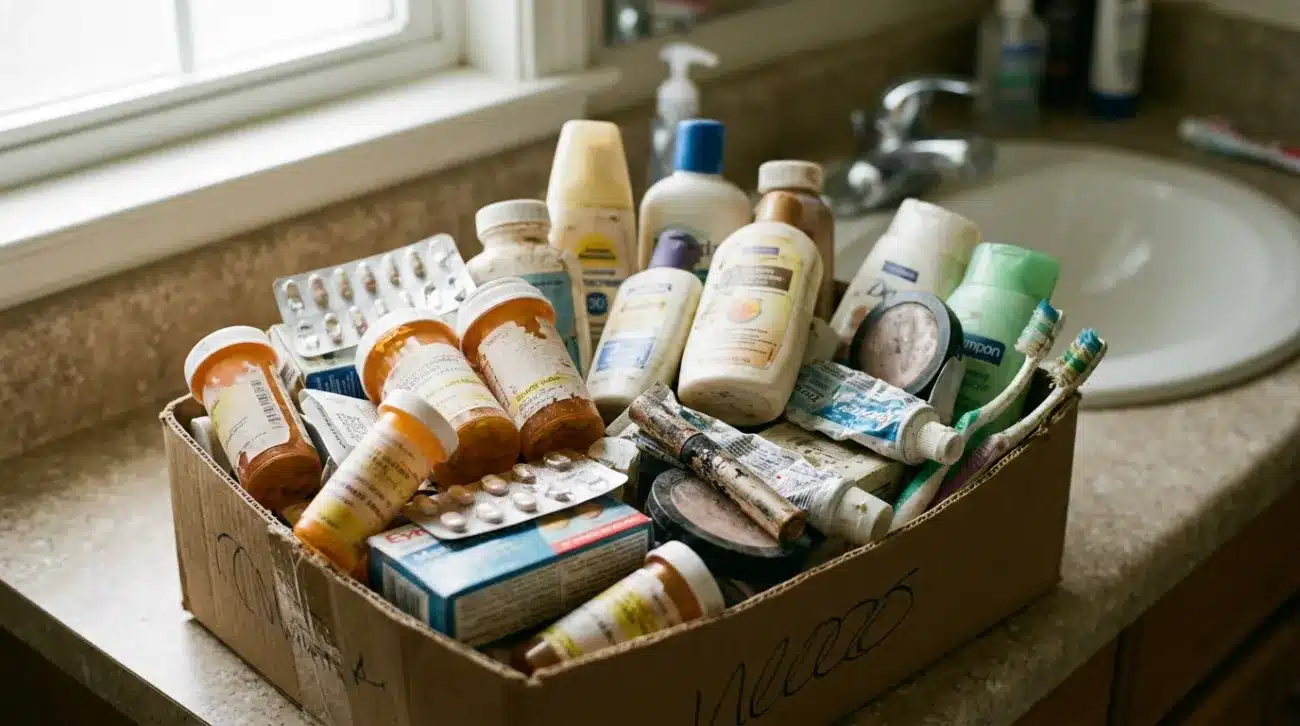
The bathroom medicine cabinet is often one of the most neglected spaces when it comes to household maintenance. Prescription and over-the-counter medications carry expiration dates that indicate when their potency and safety can no longer be guaranteed. Using expired medications may result in reduced effectiveness, and in some cases, chemical degradation can produce harmful compounds. The year’s end provides an ideal opportunity to review every bottle, tube, and package in your medicine cabinet and properly dispose of anything past its prime.
Beyond medications, personal care products also have limited shelf lives that many consumers overlook. Mascara and liquid eyeliners typically should be replaced every three to six months due to bacterial contamination risks. Sunscreen loses its protective efficacy over time, particularly after the container has been opened and exposed to air and temperature fluctuations. Toothbrushes, whether manual or electric heads, accumulate bacteria and lose bristle effectiveness after approximately three months of regular use. Taking inventory of these items before January ensures you start the new year with products that actually work as intended.
Safe Medication Disposal
Many pharmacies and community centers offer medication take-back programs that ensure expired drugs are disposed of safely rather than entering water systems through household trash or flushing. The U.S. Drug Enforcement Administration hosts periodic National Prescription Drug Take Back events, and many local pharmacies maintain year-round collection boxes for unwanted medications.
Pantry Items and Food Storage Containers
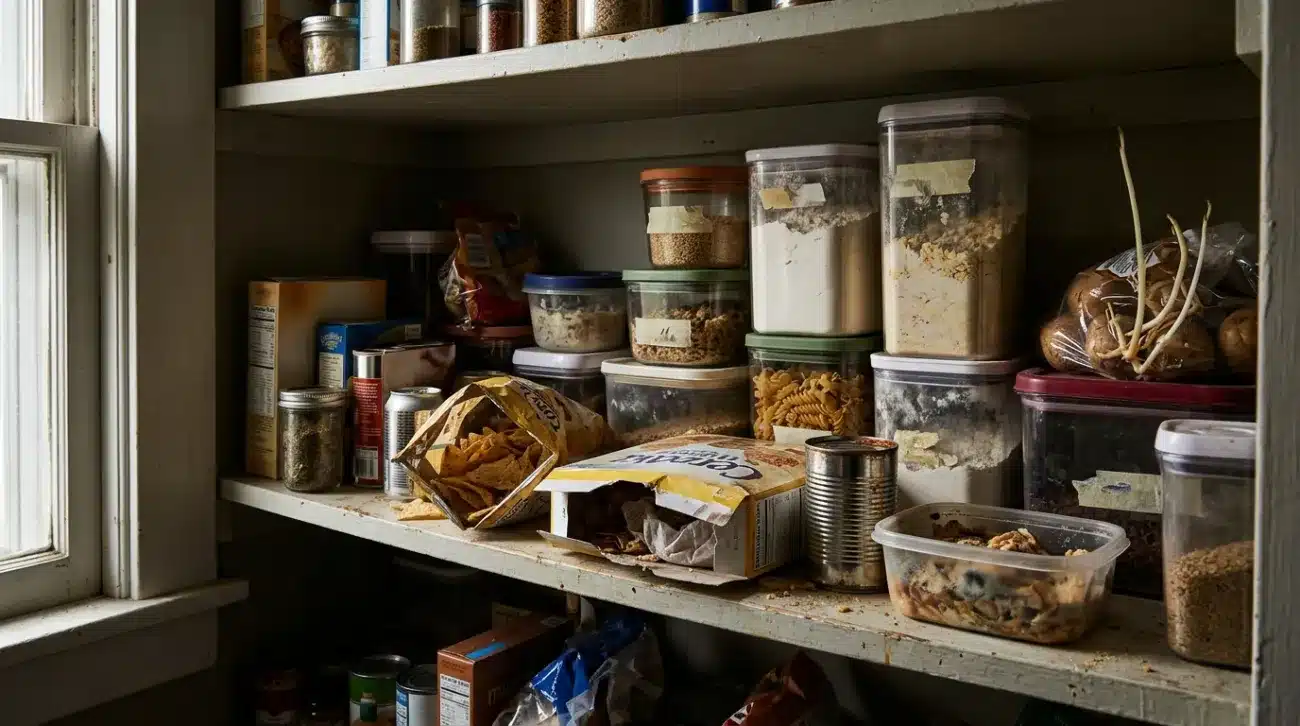
Kitchen pantries have a remarkable ability to accumulate items that linger far beyond their intended lifespan. Dried spices, while unlikely to become unsafe, lose their aromatic potency and flavor over time. Ground spices typically retain their best quality for two to three years, while whole spices may last somewhat longer. That jar of paprika purchased for a single recipe several years ago is unlikely to contribute much flavor to your cooking and simply takes up valuable shelf space that could be better utilized.
Plastic food storage containers present another common decluttering opportunity. Over time, plastic containers can become stained, warped, or develop cracks that harbor bacteria and compromise their sealing ability. Containers that no longer close properly or have lost their matching lids serve little practical purpose and contribute to kitchen drawer chaos. The transition to a new year offers a natural moment to assess your container collection, discard damaged pieces, and potentially consolidate to a more organized storage system.
Opened packages of flour, baking powder, and other baking essentials also merit attention during your year-end purge. Baking powder loses its leavening power over time, which can result in flat, disappointing baked goods. Flour can attract pantry pests and develop off-flavors, particularly whole wheat varieties that contain oils prone to rancidity. Checking expiration dates and performing simple freshness tests can prevent baking failures and wasted ingredients in the coming year.
Spices & Seasonings
Ground spices lose potency after two to three years. Check purchase dates or do a smell test to evaluate freshness before the new year.
Damaged Containers
Warped, stained, or cracked plastic containers and mismatched lids create clutter and may not seal properly to keep food fresh.
Baking Supplies
Baking powder, yeast, and flour have limited shelf lives once opened and can affect recipe outcomes if used past their prime.
Old Pillows and Worn Bedding

The bedroom contains several items that many people keep far longer than advisable for hygiene and comfort. Pillows accumulate dust mites, dead skin cells, and body oils over time, even with regular washing and protective covers. Most sleep experts recommend replacing pillows every one to two years, depending on the fill material and usage. A simple test involves folding the pillow in half; if it does not spring back to its original shape, the internal support has likely degraded beyond useful function.
Worn underwear and socks represent another category that many people neglect to regularly refresh. Elastic bands lose their stretch, fabric thins from repeated washing, and small holes or stains develop over time. While these items may still technically function, starting the new year with fresh basics contributes to both comfort and personal hygiene. The year’s end provides a natural checkpoint to evaluate your underwear drawer and discard items that have seen better days.
Bed linens and towels also warrant periodic assessment. Sheets that have developed persistent stains, thinning fabric, or pilling have reached the end of their useful lifespan. Bath towels that no longer absorb water effectively or have developed musty odors despite laundering should be retired from bathroom rotation. Many animal shelters and textile recycling programs accept worn linens, providing an environmentally conscious disposal option for items that cannot be donated for human use.
Why Year-End Decluttering Works
The transition between calendar years creates a psychological boundary that makes decluttering feel more purposeful. Research in behavioral psychology suggests that temporal landmarks, such as the start of a new year, motivate people to pursue goals and make changes they might otherwise postpone. This “fresh start effect” makes December an ideal time to tackle accumulated household clutter.
Outdated Electronics and Paper Clutter
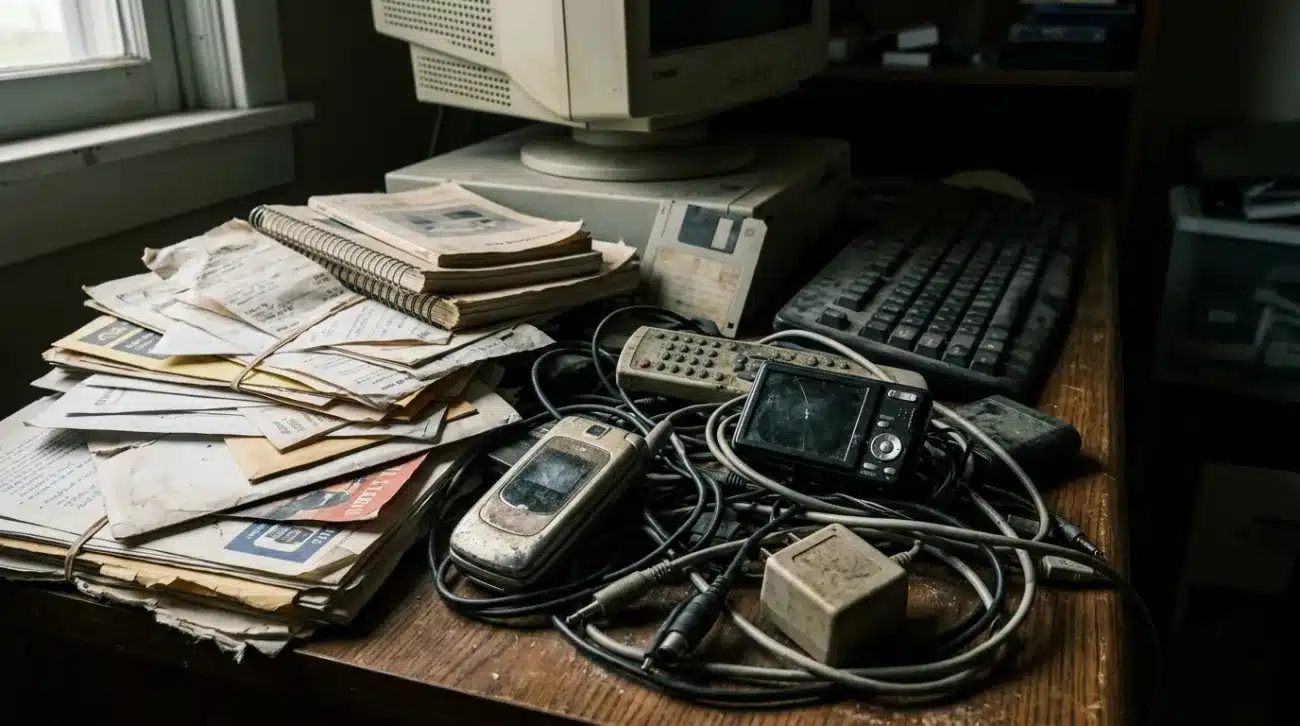
Home offices and desk areas tend to accumulate outdated electronics and accessories that serve no current purpose. Old phone chargers for devices you no longer own, tangled cables of unknown origin, and defunct electronics create visual clutter and complicate organization efforts. Many municipalities offer electronic waste recycling programs that ensure these items are disposed of responsibly rather than contributing to landfill contamination from heavy metals and other hazardous components.
Paper documents represent another significant source of household clutter, particularly in an increasingly digital age. Old receipts, expired warranties, outdated instruction manuals for appliances you no longer own, and years of accumulated mail can consume entire filing cabinets and desk drawers. While certain financial and legal documents require retention for specified periods, much of the paper that accumulates in homes has no ongoing purpose. The year’s end offers an opportunity to shred sensitive documents that have exceeded their useful retention period and recycle outdated materials.
Business cards, catalogs, and magazines that have piled up throughout the year also deserve scrutiny. Contact information can typically be digitized or found online, eliminating the need for physical business card storage. Magazines more than a few months old rarely get read, and catalogs quickly become outdated as product offerings and prices change. Clearing these paper accumulations creates physical space and reduces the mental burden of visual clutter in work and living areas.