
Overwatering Remains the Primary Killer of Indoor Plants
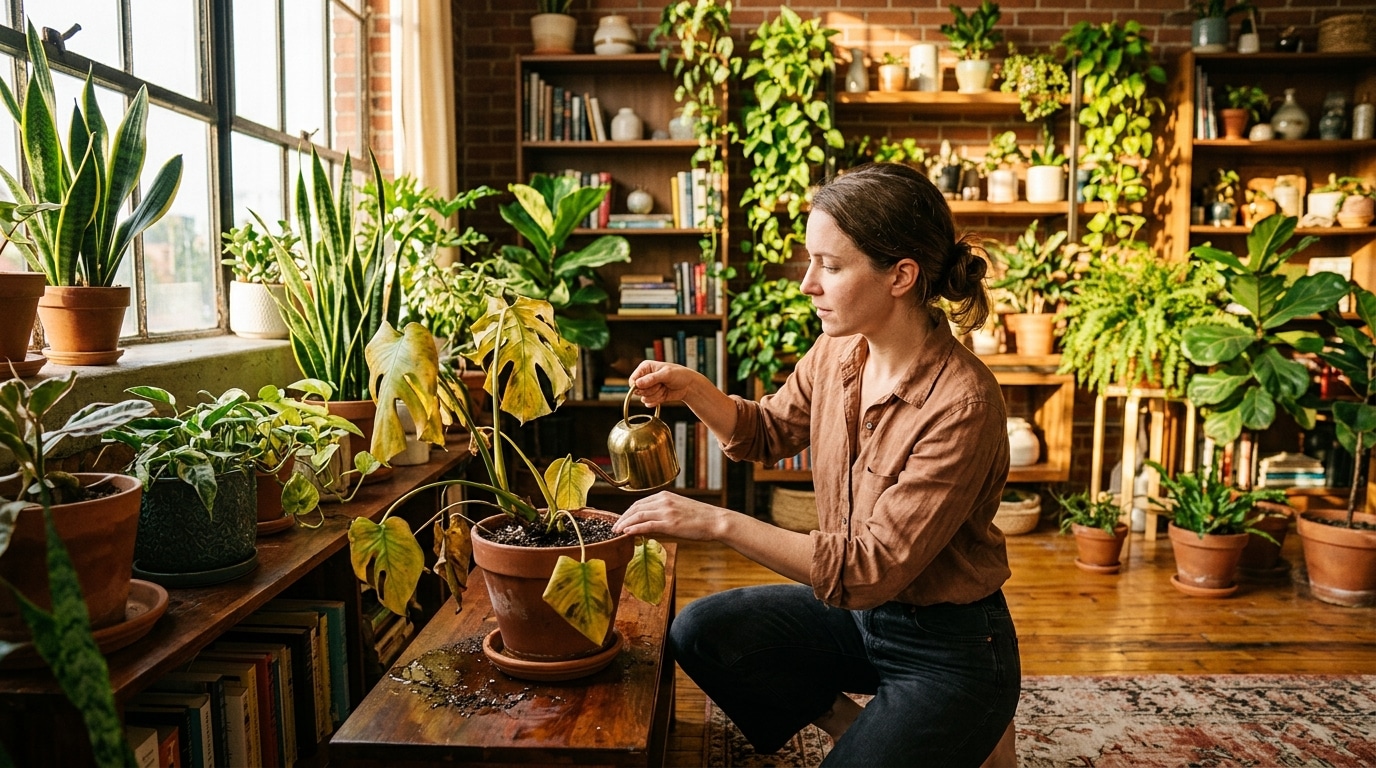
While underwatering receives most of the blame when houseplants fail, the opposite problem causes far more plant deaths each year. According to research and guidance from university extension programs, including those at Penn State and the University of Maryland, overwatering is consistently cited as the leading cause of houseplant mortality. The issue stems from a fundamental misunderstanding about how plant roots function. Roots require oxygen to survive, and when soil remains constantly saturated, air pockets disappear, effectively suffocating the root system.
The symptoms of overwatering often mimic those of underwatering, which compounds the problem. Yellow leaves, wilting, and leaf drop occur in both scenarios, leading well-intentioned plant owners to add more water when the plant is actually drowning. Root rot, a fungal condition that develops in overly wet soil, destroys the plant’s ability to absorb nutrients and water, creating a vicious cycle where the plant appears thirsty despite being oversaturated.
Indoor Light Conditions Differ Drastically From Outdoor Environments
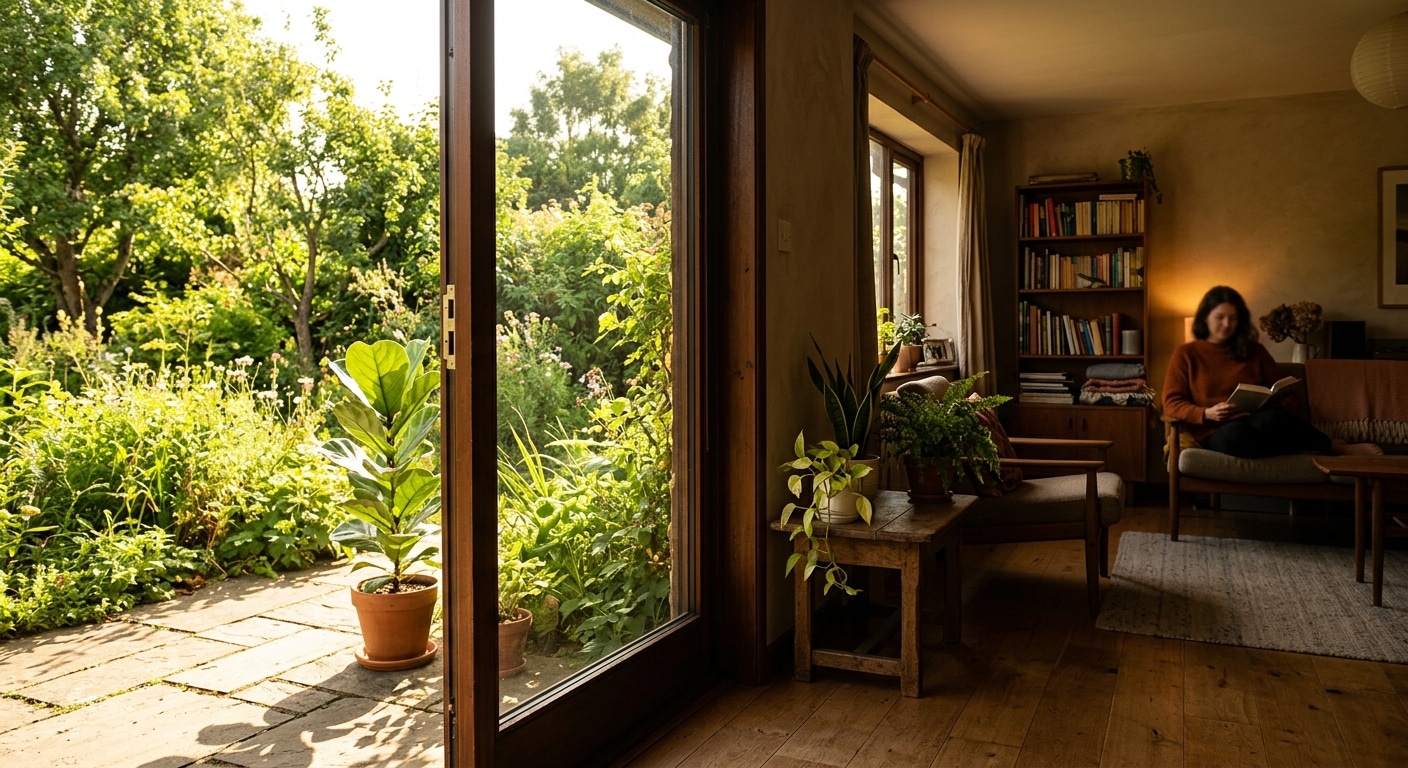
Another significant factor in houseplant failure involves a misunderstanding of indoor light levels. What appears to be a bright room to human eyes may be significantly dimmer than what most plants require for photosynthesis. Light intensity drops dramatically as distance from a window increases, and the type of glass, window orientation, and external obstructions all affect how much usable light reaches your plants.
Plants marketed as “low light tolerant” can survive in reduced light conditions, but this does not mean they thrive there. These plants often merely exist in a state of gradual decline rather than active growth. South-facing windows in the Northern Hemisphere provide the strongest light, while north-facing windows offer the dimmest conditions. East and west exposures fall somewhere between, with east providing gentler morning light and west delivering more intense afternoon sun.
The Role of Transplant Shock and Adjustment Periods
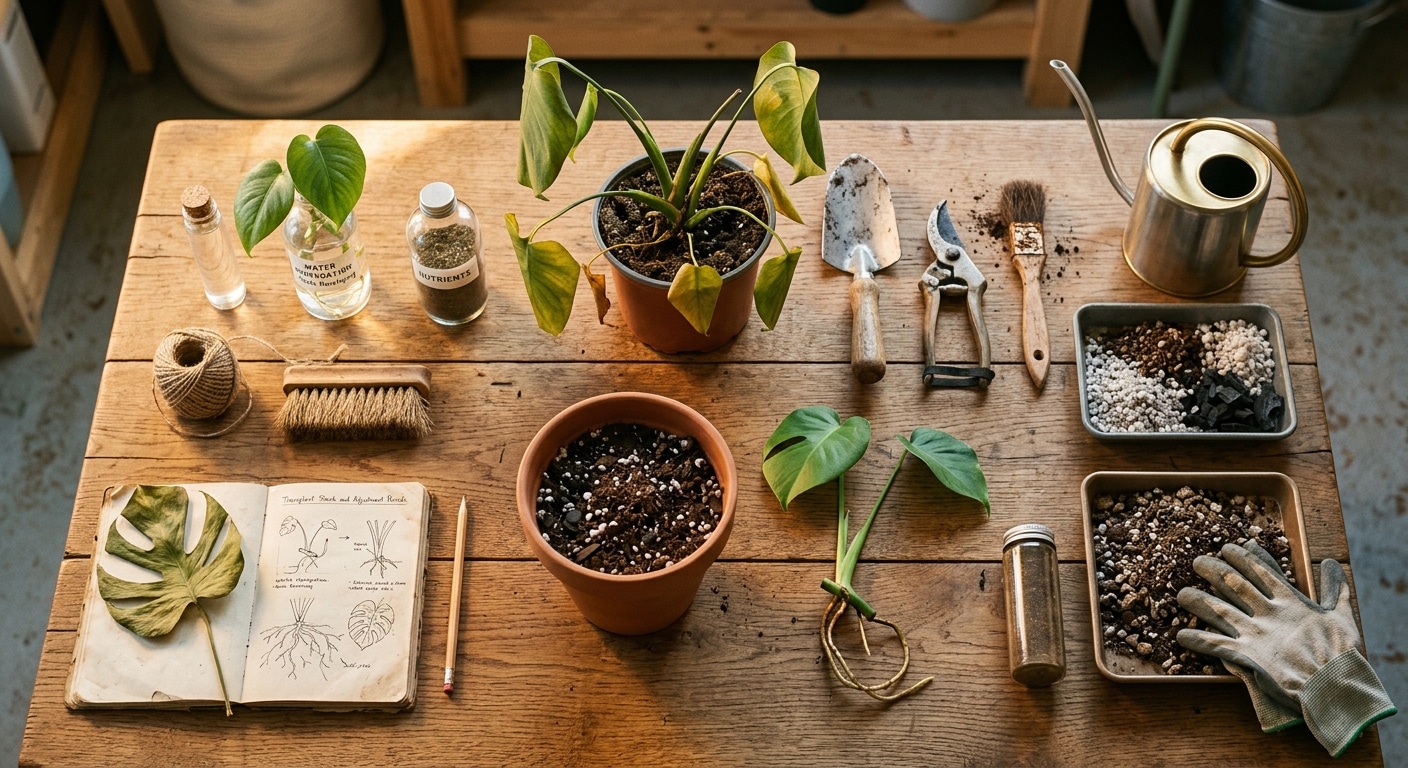
When plants move from a nursery or garden center to a home environment, they experience significant stress that many owners fail to anticipate. Commercial growing facilities maintain precise control over light, humidity, temperature, and watering schedules. The transition to a home setting, where conditions vary considerably, can send plants into a period of adjustment that sometimes appears as decline or impending death.
This adjustment period can last several weeks to months, during which plants may drop leaves, stop producing new growth, or appear generally unhappy. Rather than indicating imminent death, these symptoms often represent the plant’s natural response to environmental change. Maintaining consistent care during this period, rather than making frequent adjustments, typically produces the best outcomes. Repeatedly moving a struggling plant to different locations or changing watering schedules prevents the plant from establishing equilibrium with its new environment.
Why Potting Mix Quality Affects Long-Term Plant Survival
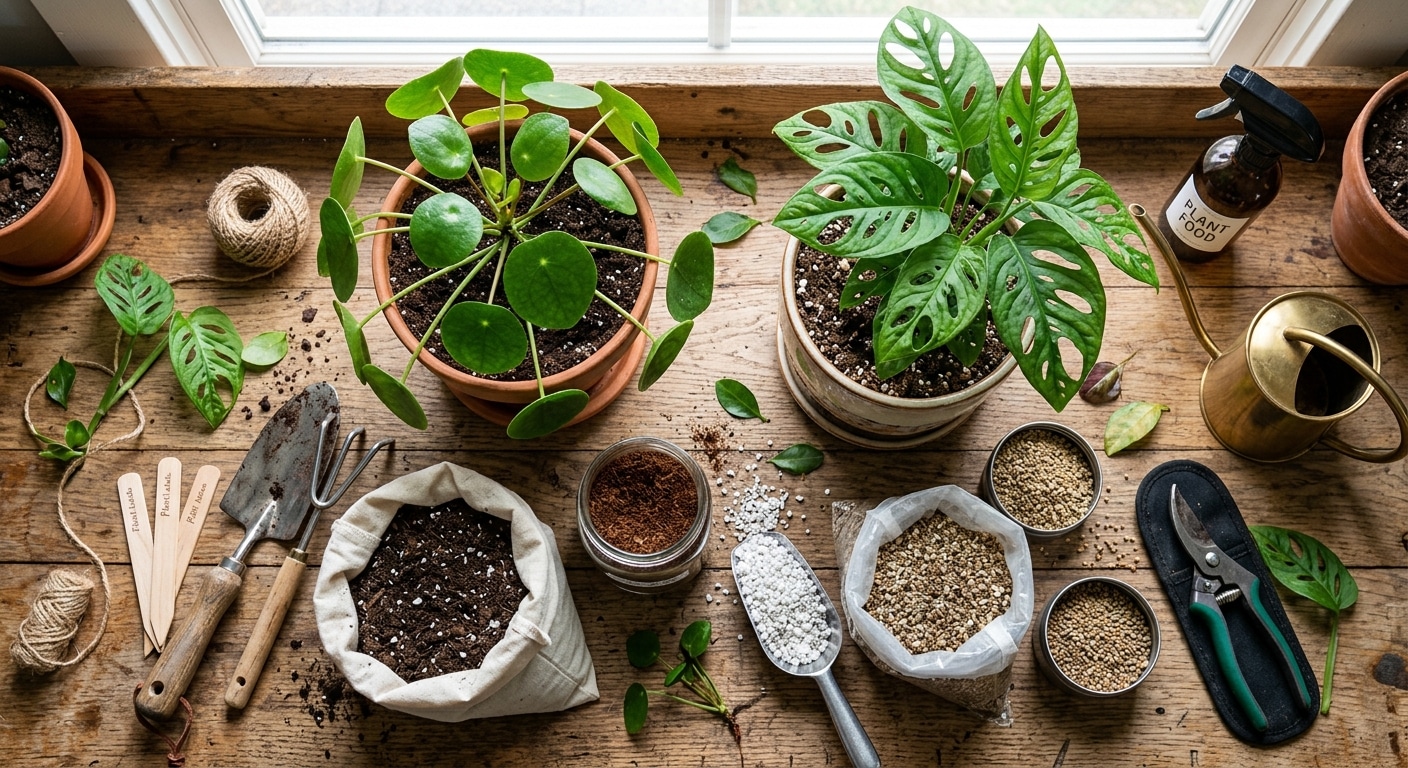
The growing medium in which houseplants reside plays a crucial role in their health, yet it receives less attention than watering or light placement. Over time, potting soil breaks down and compacts, reducing its ability to drain properly and provide adequate aeration to roots. A soil mix that worked perfectly when the plant was first potted can become problematic after a year or two of use.
Different plant types require different soil compositions. Succulents and cacti need rapidly draining mixes with significant mineral content, while tropical foliage plants generally prefer moisture-retentive but well-aerated soil. Using the same generic potting mix for all houseplants ignores these fundamental differences in plant physiology. Additionally, most commercial potting mixes contain limited nutrients that deplete within several months, necessitating supplemental fertilization during the growing season.
How Invisible Pest Infestations Contribute to Plant Decline
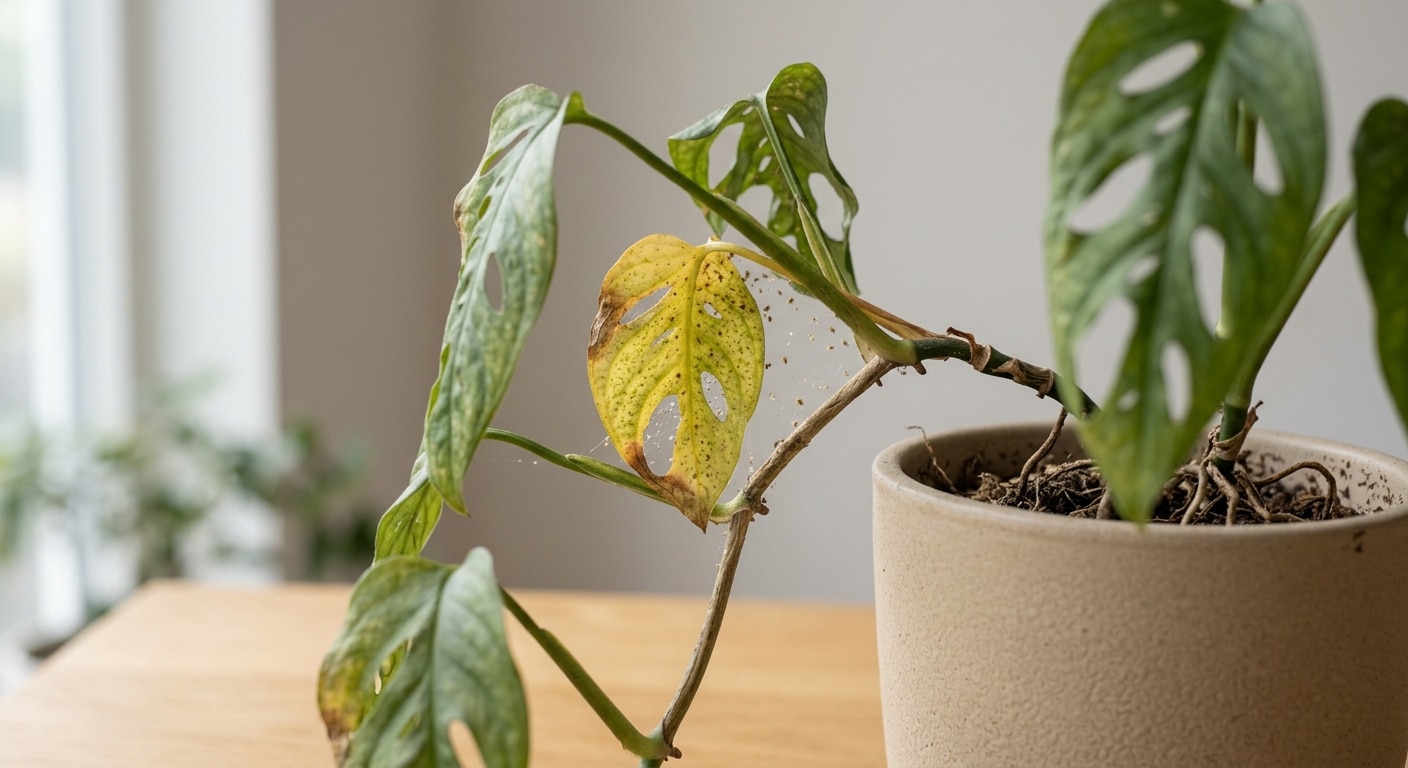
Many houseplant owners remain unaware of pest problems until significant damage has occurred. Spider mites, fungus gnats, mealybugs, and scale insects frequently affect indoor plants, and their small size or tendency to hide on leaf undersides makes early detection challenging. Stressed plants become more susceptible to pest infestations, and the damage these insects cause creates additional stress, establishing a cycle of decline.
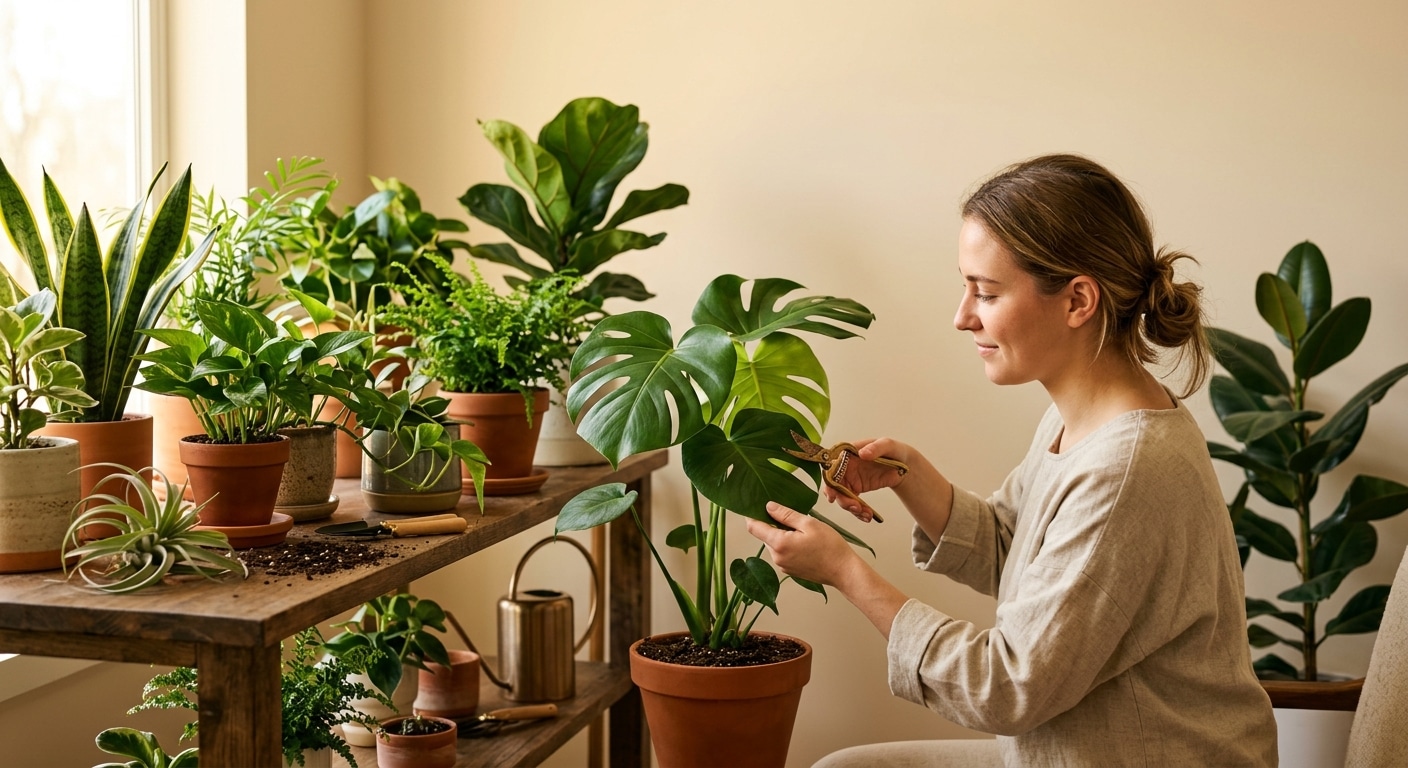
Regular inspection of leaf surfaces, including the undersides, helps identify problems before they become severe. Isolating new plants for several weeks before placing them near existing houseplants prevents the spread of hitchhiking pests. When infestations occur, treatment typically requires multiple applications over several weeks to address successive generations of insects.
Cultivating Success With Your Indoor Garden