

9 Things in Your Home You’re Probably Replacing Too Often
Smart maintenance and proper care can extend the life of everyday household items far beyond what most people assume
Many homeowners fall into the habit of replacing household items on autopilot, often discarding things that still have years of useful life remaining. This tendency to replace items too frequently represents not only unnecessary expense but also contributes to household waste that could easily be avoided. The reality is that many common items in your home have significantly longer lifespans than most people realize, and understanding the true longevity of these products can save substantial money over time while reducing environmental impact. From kitchen essentials to bedroom basics, learning when something genuinely needs replacement versus when it simply needs proper care can transform how you manage your household.
Non-Stick Cookware Lasts Longer Than You Think

The moment a non-stick pan shows the slightest sign of wear, many cooks assume it belongs in the trash. However, non-stick cookware can maintain its performance for considerably longer when handled properly. The key lies in avoiding metal utensils, never subjecting the pans to extreme temperature changes, and hand-washing rather than using the dishwasher. Most quality non-stick pans, when cared for correctly, can remain functional for several years rather than the few months some households give them.
Minor surface scratches do not necessarily compromise the safety or functionality of non-stick coatings. The concern arises only when the coating begins to flake or peel in significant amounts. Until that point, the cookware remains perfectly usable. Storing pans with protective layers between them prevents surface damage during storage, further extending their practical lifespan.
Care Tip: Non-Stick Pans
Always allow non-stick cookware to cool before washing, and never use abrasive scrubbers or harsh detergents. These simple habits can significantly extend the usable life of your pans beyond what most households experience.
Cutting Boards: Maintenance Over Replacement

Both wooden and plastic cutting boards often get replaced far sooner than necessary. Wooden cutting boards, in particular, can last for decades with proper maintenance. Regular oiling with food-safe mineral oil keeps the wood from drying and cracking, while proper cleaning and drying prevents bacterial growth and warping. The deep knife grooves that many people view as a reason for replacement can often be remedied by sanding the surface smooth.
Plastic cutting boards similarly benefit from proper care. While they do eventually develop grooves that harbor bacteria, running them through a hot dishwasher cycle regularly helps sanitize them effectively. Only when grooves become so deep that they cannot be adequately cleaned should replacement become necessary. For most households, this takes considerably longer than the replacement cycle they currently follow.
Pillows and Mattresses: Industry Recommendations Versus Reality

The bedding industry often promotes relatively short replacement timelines for pillows and mattresses, but the actual need for replacement depends heavily on product quality, usage patterns, and maintenance practices. While pillows do lose their supportive properties over time, a quality pillow that maintains its loft and provides adequate neck support does not require replacement simply because a certain number of months have passed. The true indicator is whether the pillow continues to provide comfortable, supportive sleep.
Mattresses represent an even more significant investment, and the push to replace them every several years overlooks the reality that well-constructed mattresses often remain comfortable and supportive for substantially longer periods. Using a mattress protector, rotating the mattress regularly, and maintaining proper bed frame support all contribute to extended mattress life. The decision to replace should be based on sleep quality and visible wear rather than arbitrary timelines.
Understanding Wear Patterns
The lifespan of bedding items varies dramatically based on quality, body weight, sleep position, and maintenance habits. Rather than following generic replacement schedules, evaluate these items based on their actual condition and performance.
Towels and Linens: When Worn Actually Means Worn Out
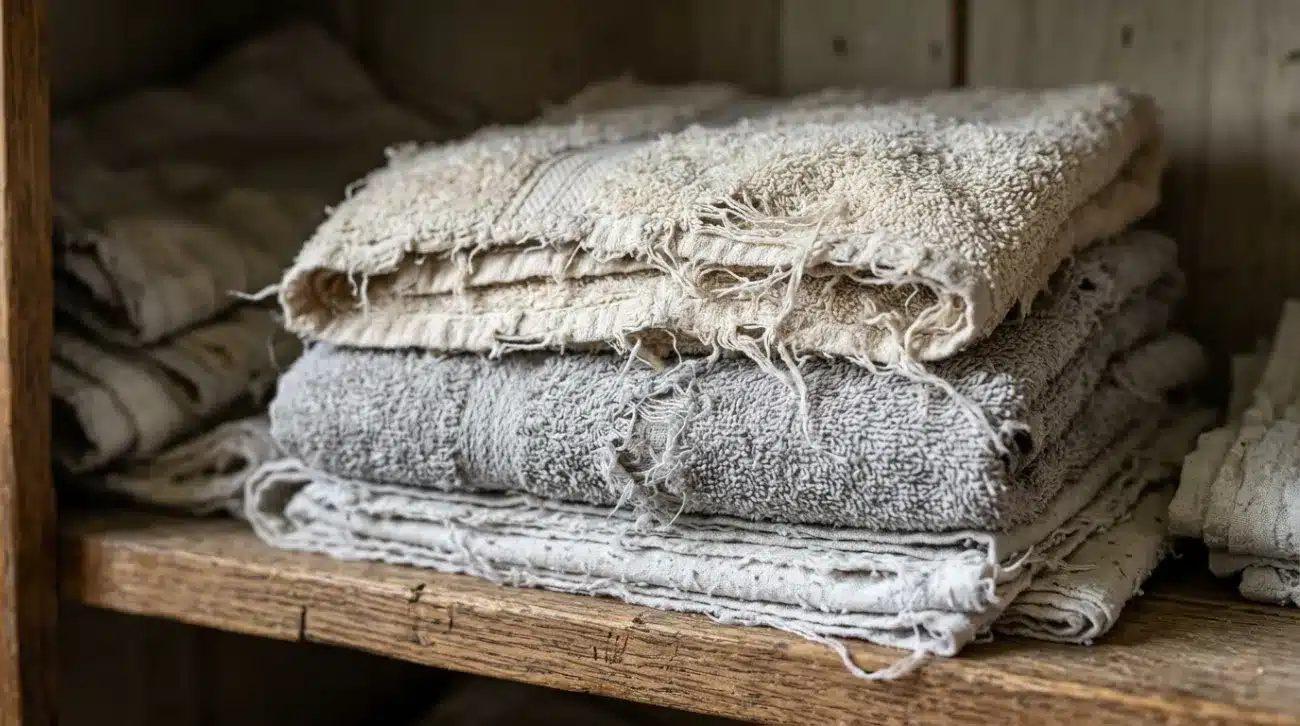
The impulse to replace towels at the first sign of fading or reduced fluffiness leads many households to discard perfectly functional linens prematurely. Bath towels and sheets can remain effective for their intended purpose long after they lose their showroom appearance. A towel that still absorbs water efficiently continues to serve its primary function regardless of whether it looks as plush as it did when new.
Proper laundering techniques significantly impact linen longevity. Avoiding excessive detergent, which builds up in fibers and reduces absorbency, and limiting fabric softener use on towels helps maintain their functional properties. When towels do eventually become thin or develop holes, they can transition to cleaning rags rather than going directly to the trash, extending their useful life even further.
Small Kitchen Appliances: Repair Before Replace
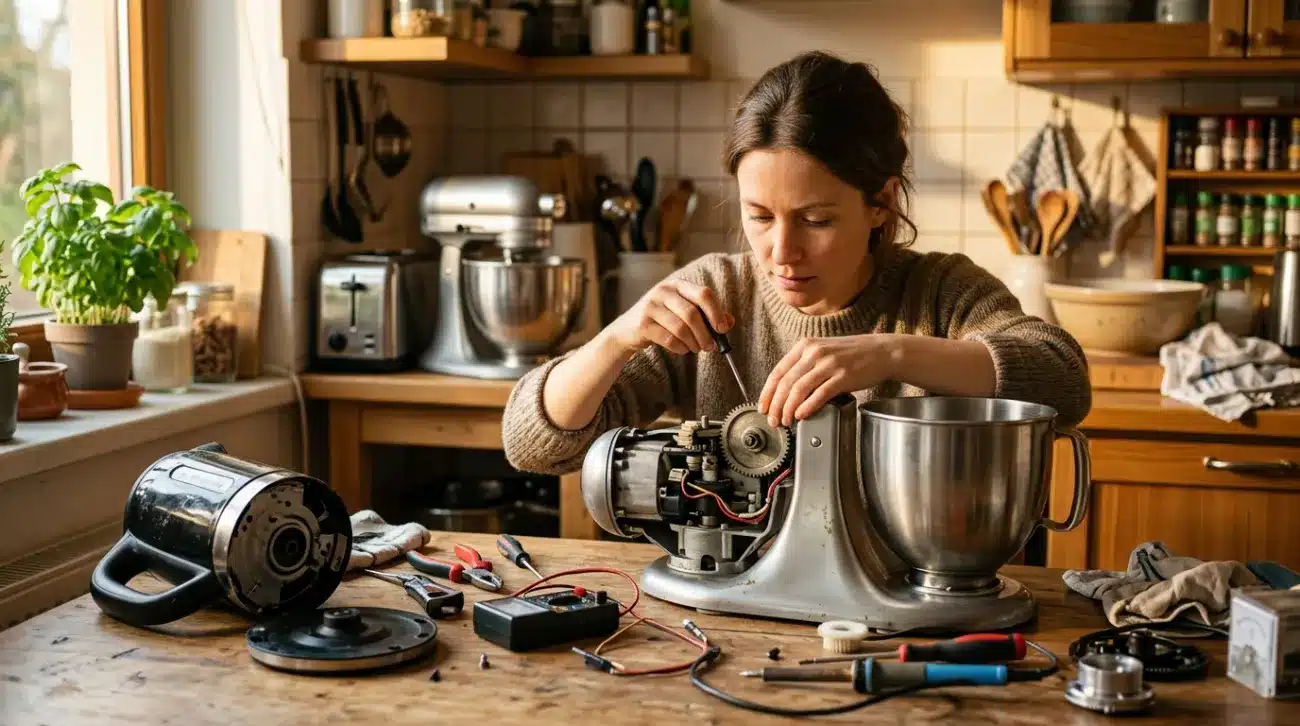
The modern tendency to replace small appliances at the first sign of malfunction overlooks the reality that many common problems have simple fixes. Coffee makers, toasters, blenders, and similar devices often develop issues that stem from mineral buildup, worn gaskets, or loose connections rather than fundamental mechanical failure. Regular cleaning and descaling can prevent many problems from occurring in the first place.
When issues do arise, basic troubleshooting often reveals straightforward solutions. Replacement parts for common appliances remain widely available and typically cost a fraction of purchasing a new unit. The satisfaction of repairing rather than replacing, combined with the financial savings, makes learning basic appliance maintenance a worthwhile endeavor for any household.
Descale Regularly
Mineral buildup from hard water affects nearly all appliances that use water. Regular descaling with vinegar or commercial products maintains performance.
Check Seals and Gaskets
Rubber components in blenders, coffee makers, and pressure cookers degrade over time but are typically inexpensive to replace.
Vacuum Cleaners: Filter and Belt Maintenance
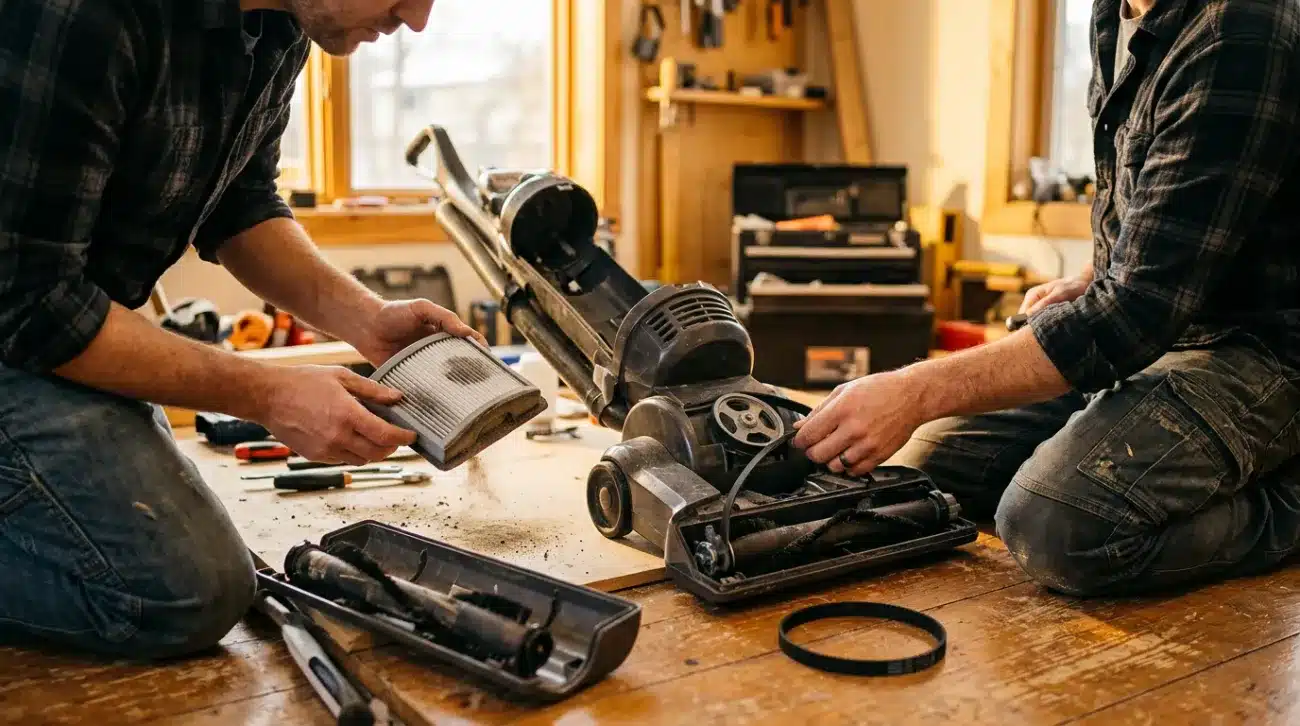
Declining vacuum performance often prompts premature replacement when simple maintenance would restore full functionality. Clogged filters represent the most common cause of reduced suction, and most vacuum filters can be cleaned or replaced inexpensively. Similarly, worn belts that prevent proper brush roller operation cost only a few dollars to replace and can make an old vacuum perform like new.
Regular emptying of the dust container or bag before it becomes completely full maintains optimal airflow and suction. Checking for blockages in the hose and clearing any debris from the brush roller prevents strain on the motor. These basic maintenance steps, performed consistently, allow quality vacuum cleaners to remain effective for many years beyond the point when many households would consider replacement.


