

Cleaning Tools: Extending Useful Life
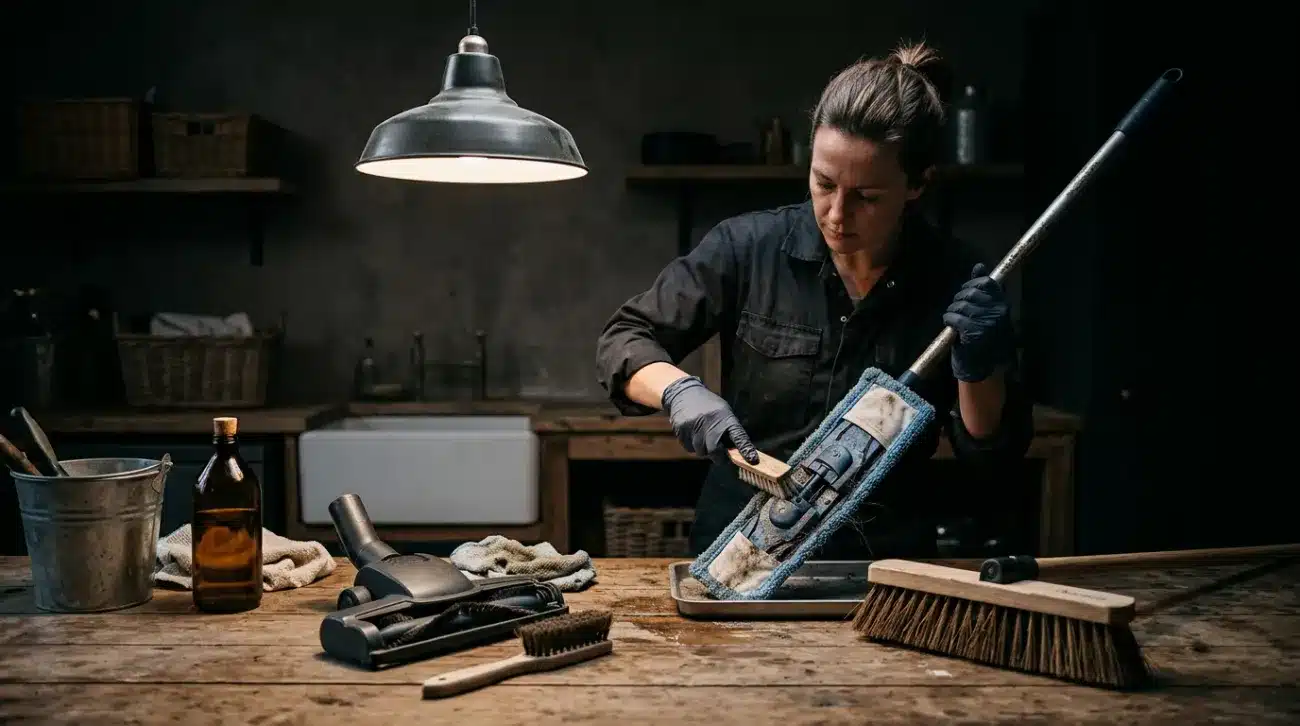
Sponges, brushes, and other cleaning tools often get replaced based on appearance rather than actual cleanliness or effectiveness. Kitchen sponges, frequently cited as bacterial breeding grounds, can be effectively sanitized through microwaving while damp or running through a dishwasher cycle. This simple step allows sponges to remain in service significantly longer than the weekly replacement schedule some sources recommend.
Scrub brushes, toilet brushes, and similar tools similarly benefit from regular sanitization rather than frequent replacement. Soaking in a bleach solution or other disinfectant maintains hygienic conditions without requiring constant purchases of new tools. The environmental and financial benefits of extending the life of these items, even by modest amounts, accumulate substantially over time.
Shower Curtains and Bath Mats: Cleaning Versus Replacing
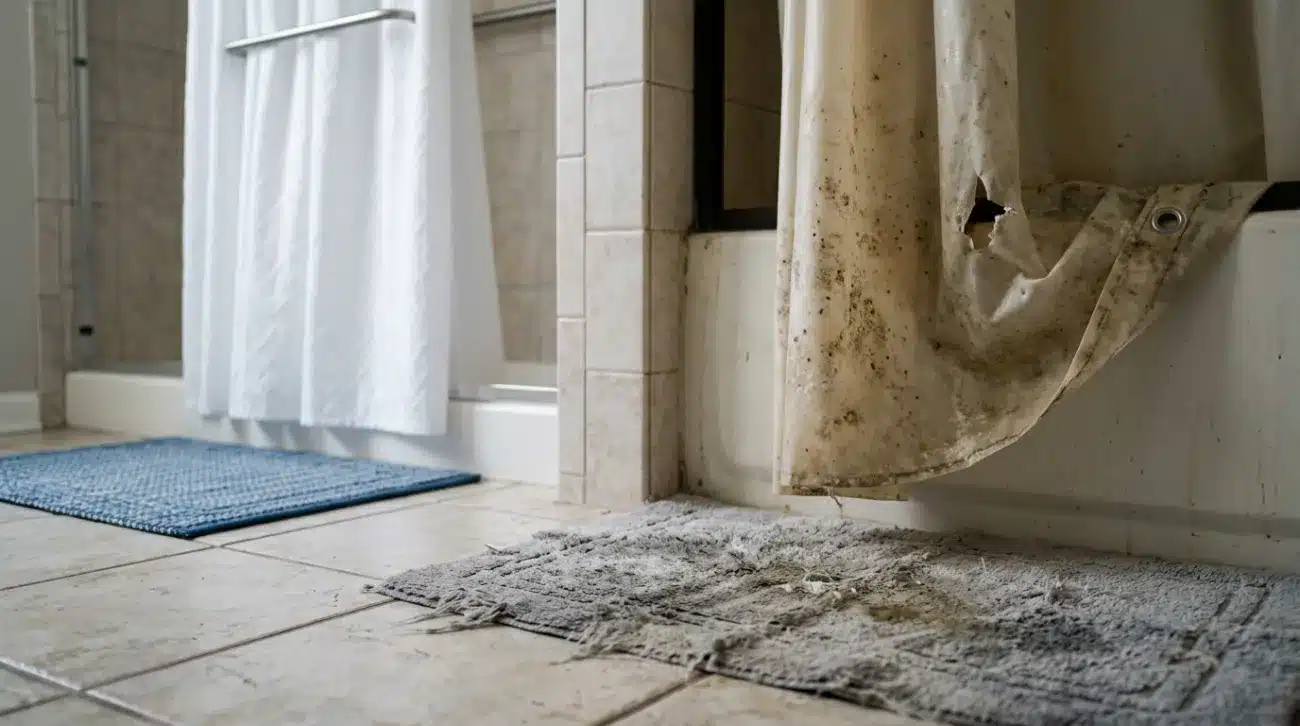
The buildup of soap scum and mildew on shower curtains leads many households to replace them regularly, yet both fabric and plastic shower curtains clean effectively in a washing machine. Adding baking soda to the wash cycle and hanging to dry removes most buildup and restores freshness. Plastic liners, in particular, respond well to this treatment and can remain in service far longer than most people keep them.
Bath mats face similar patterns of premature replacement when regular laundering would suffice. Most bath mats, whether fabric or rubber-backed, can withstand machine washing and maintain their appearance and functionality through many cycles. Allowing mats to dry thoroughly between uses prevents the mold and mildew growth that often prompts replacement.
Key Principle
Before replacing any household item, ask whether the issue stems from actual wear and failure or simply from neglected maintenance. Many items can be restored to full functionality through proper cleaning, minor repairs, or replacement of inexpensive components.
Light Bulbs and Batteries: Understanding True Lifespan
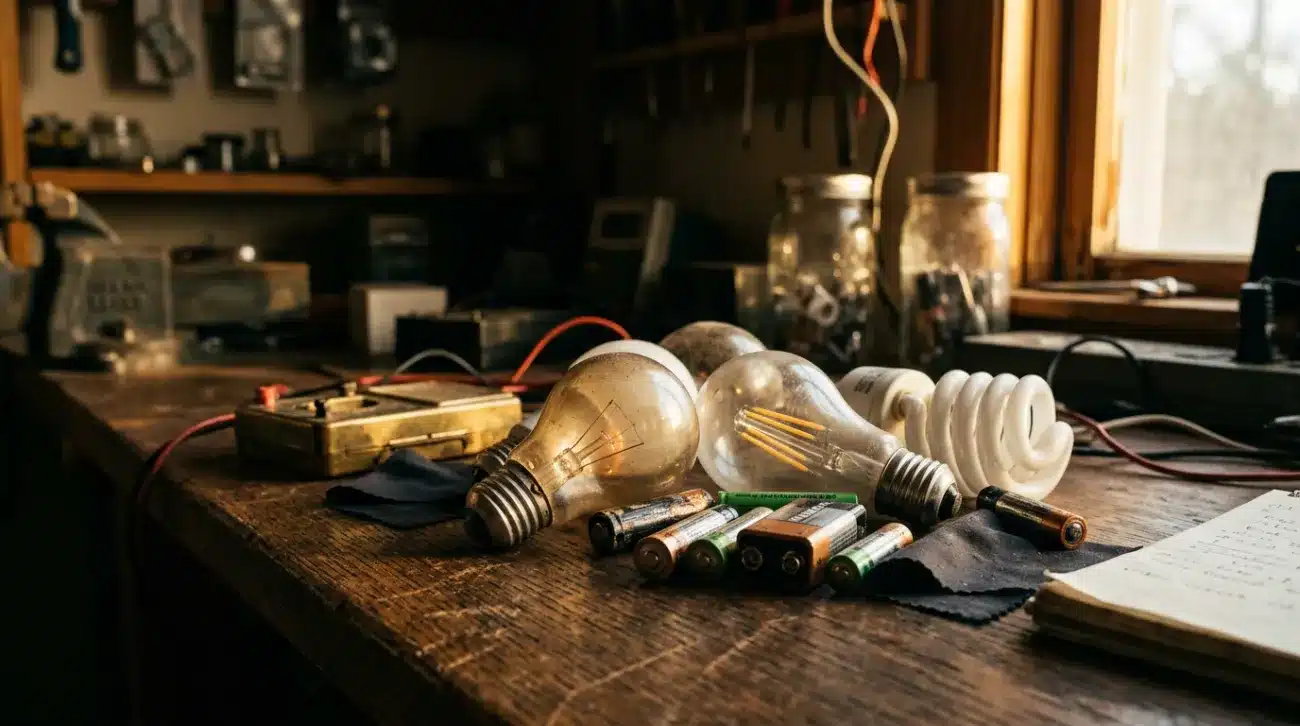
LED bulbs represent a significant advancement in lighting longevity, yet many households still replace them based on habits formed during the incandescent era. Quality LED bulbs can operate for tens of thousands of hours under normal conditions, meaning the bulb installed in an average room might reasonably last for many years of typical household use. Flickering or dimming in LED fixtures often indicates electrical issues rather than bulb failure.
Rechargeable batteries similarly offer extended service lives that exceed common replacement patterns. Modern rechargeable batteries can handle hundreds of charge cycles while maintaining useful capacity. Rather than discarding batteries at the first sign of reduced performance, allowing them to fully discharge and then fully recharge can sometimes restore lost capacity. The investment in quality rechargeable batteries and a good charger pays dividends over time through dramatically reduced battery purchases.
Typical Lifespan: Perceived vs. Actual (With Proper Care)
Making Smarter Replacement Decisions for Your Household

The cumulative impact of replacing household items only when genuinely necessary rather than habitually extends far beyond simple cost savings. By adopting a more thoughtful approach to evaluating the true condition and functionality of the things we use daily, households can reduce waste, save money, and develop a more sustainable relationship with their possessions. The items discussed here represent just a starting point, as the principle of maintenance over replacement applies broadly across nearly every category of household goods. Taking the time to learn proper care techniques, attempt basic repairs, and honestly assess when something has truly reached the end of its useful life transforms not just spending habits but overall household management philosophy.


