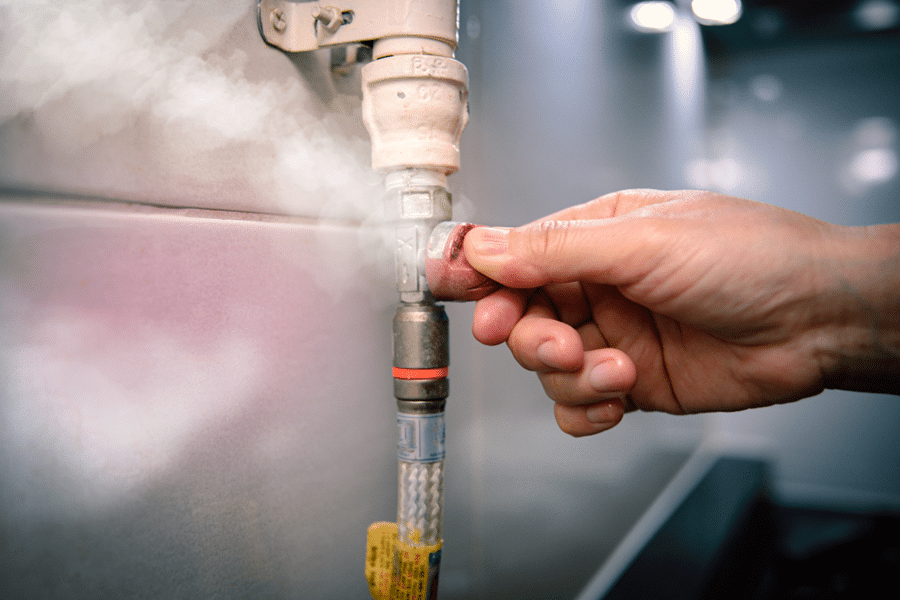
Gas leaks in the kitchen, often silent and unnoticed, pose a serious threat to household safety. These leaks can lead to devastating consequences, ranging from health hazards to potential explosions. With natural gas and propane being common in many homes, it’s crucial to understand the risks and take proactive measures to ensure safety. This article aims to educate homeowners about the detection, prevention, and response to gas leaks, highlighting their silent danger and the importance of vigilance in the kitchen.
Understanding Gas Leaks
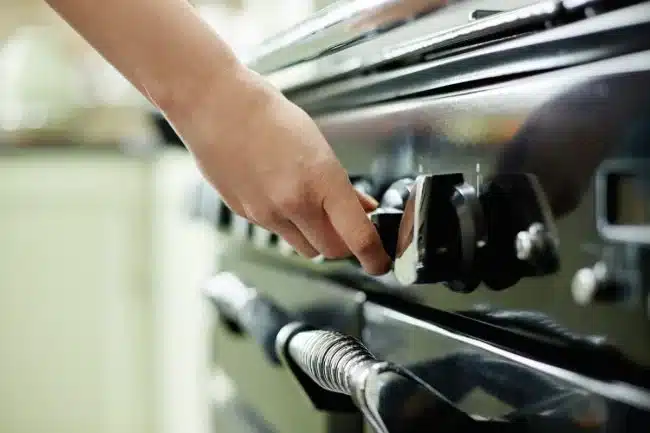
Gas leaks occur when natural gas or propane, commonly used in household kitchens, escapes from pipes or appliances. It’s essential to recognize the sources of these leaks, which often include faulty appliances, damaged pipes, or improper installations. Understanding the properties of these gases is crucial; for instance, natural gas is lighter than air and can quickly spread through a house, while propane is heavier and tends to accumulate at ground level. Awareness of these characteristics can significantly impact the detection and response strategies in case of a leak.
The kitchen, with its array of gas-powered appliances like stoves and ovens, is a common site for these leaks. Regular inspection and maintenance of these appliances are vital for prevention. Homeowners should be aware of the age and condition of their gas appliances and seek professional help for installation and repairs, reducing the risk of leaks.
Health Risks of Gas Leaks

Gas leaks, particularly prolonged exposure, can pose serious health risks. Short-term exposure to gas leaks can cause symptoms like dizziness, headaches, nausea, and fatigue. These symptoms often mimic common illnesses, which can lead to delayed detection and response.
Long-term exposure to low levels of gas can have more severe health impacts, including respiratory problems and an increased risk of heart conditions. Vulnerable groups, such as children, the elderly, and those with pre-existing respiratory conditions, are at a higher risk. It’s crucial to recognize these health implications and take immediate action upon suspecting a gas leak.
Detecting a Gas Leak
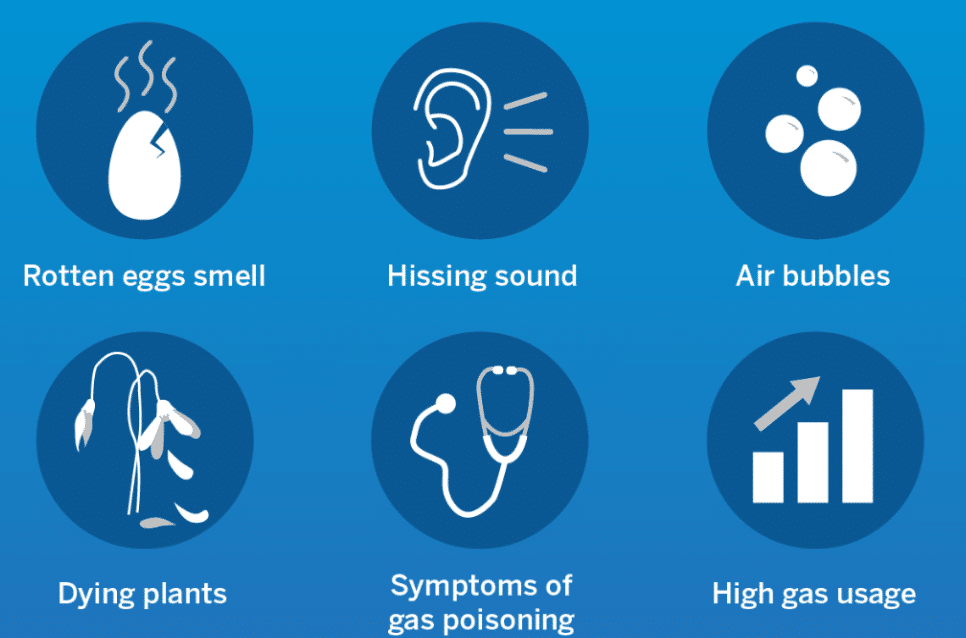
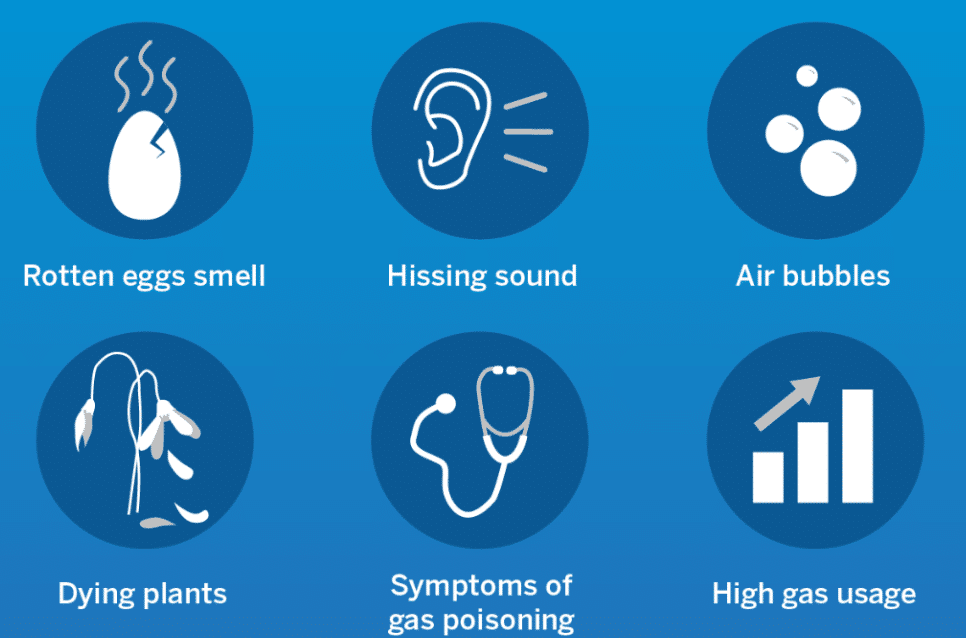
Detecting a gas leak early is critical for safety. The most recognizable sign of a gas leak is the distinctive sulfur-like odor, similar to rotten eggs, added to natural gas for detection. Other signs include a hissing or whistling sound near gas lines, dead or dying houseplants, and a visible white cloud or dust cloud near a gas line.
However, reliance solely on smell can be insufficient, especially since carbon monoxide, a byproduct of gas combustion, is odorless. Installing carbon monoxide detectors in the kitchen and other areas with gas appliances is crucial for early detection. Homeowners should also be aware of the limitations of human detection, as some individuals may have a diminished sense of smell or become desensitized to the odor over time.
Preventive Measures
Prevention is key in avoiding gas leaks in the kitchen. Regular maintenance of gas appliances is crucial; this includes routine checks and professional servicing to ensure they are in good working order. Homeowners should be vigilant about the signs of wear and tear, such as rusting, unusual noises, or inconsistent flame patterns on gas stoves. It’s also essential to follow the manufacturer’s guidelines for appliance care and to replace any equipment that is outdated or malfunctioning.
Another critical aspect of prevention is the safe installation of gas appliances. This task should always be performed by a qualified professional to ensure that everything is correctly connected and sealed. Adequate ventilation is equally important; ensuring that your kitchen is well-ventilated will help in dispersing any gas that may accidentally leak. Homeowners should also familiarize themselves with the main gas shut-off valve’s location, enabling quick action in case of an emergency.