
Your home is your sanctuary, a place where you seek comfort and safety. Yet, hidden within its walls, there may be unsuspected dangers quietly affecting your health. From the air you breathe to the materials in your furniture, many aspects of your home environment could be making you sick. These issues often go unnoticed until symptoms like fatigue, respiratory troubles, or allergies become too severe to ignore. The good news is that by understanding these hidden risks, you can take proactive steps to create a healthier living space for yourself and your loved ones.
Indoor Air Pollution: The Invisible Threat

Indoor air pollution often goes unnoticed, but it can be significantly more hazardous than outdoor air. Everyday activities like cooking, cleaning, or even lighting a candle can release pollutants into the air. Dust, pet dander, and volatile organic compounds (VOCs) from household products can build up over time, especially in poorly ventilated homes. Prolonged exposure to these pollutants can lead to respiratory problems, headaches, and even chronic illnesses like asthma.
Improving indoor air quality is simpler than many people think. Regularly changing air filters, vacuuming with a HEPA filter, and using natural cleaning products can help reduce harmful particles. Adding indoor plants that filter toxins, such as spider plants or peace lilies, can further enhance air quality. By prioritizing fresh air and minimizing chemical exposure, you can transform your home into a healthier environment.
Mold and Mildew: Hidden Culprits in Humid Spaces

Mold and mildew thrive in damp, poorly ventilated areas, often developing out of sight. Bathrooms, basements, and kitchens are common problem zones, where moisture from leaks or poor ventilation creates an ideal breeding ground. Exposure to mold can cause a range of health problems, from mild symptoms like sneezing and watery eyes to more severe effects such as fatigue and difficulty breathing. Left untreated, mold can even exacerbate chronic respiratory conditions.
Preventing mold starts with controlling moisture levels in your home. Repairing leaks promptly and using dehumidifiers in damp areas are key steps to reducing mold growth. Regular cleaning with anti-mold solutions and ensuring adequate airflow through vents and windows can help keep mold at bay. By taking these measures, you can protect your family from the health risks associated with mold and mildew.
Toxic Materials in Building and Furnishing Products
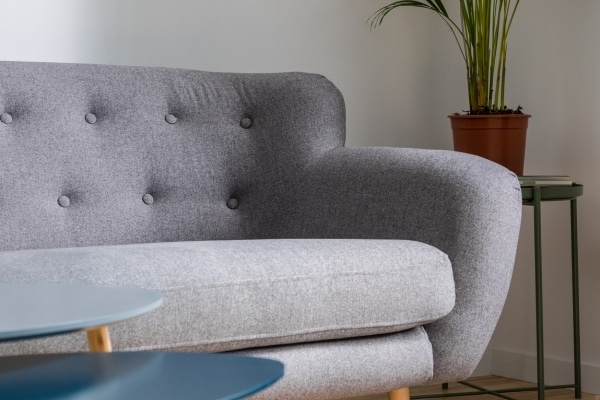
Many people are unaware that everyday items like furniture and carpets can emit harmful chemicals. Materials like pressed wood and synthetic fabrics often release formaldehyde and VOCs into the air, which can linger in your home for years. Prolonged exposure to these toxins can irritate the skin, eyes, and throat, while some chemicals pose long-term risks, including cancer. These hidden dangers often go unnoticed, but they can have a significant impact on your overall health.
Choosing safer alternatives can drastically reduce your exposure to these toxins. Opt for furniture made from solid wood, natural fibers, or low-VOC finishes when possible. Proper ventilation, especially during renovations, helps disperse harmful fumes before they accumulate. With thoughtful choices, you can create a home that is both stylish and health-conscious.