


Energy-Sucking Electronics and Appliances
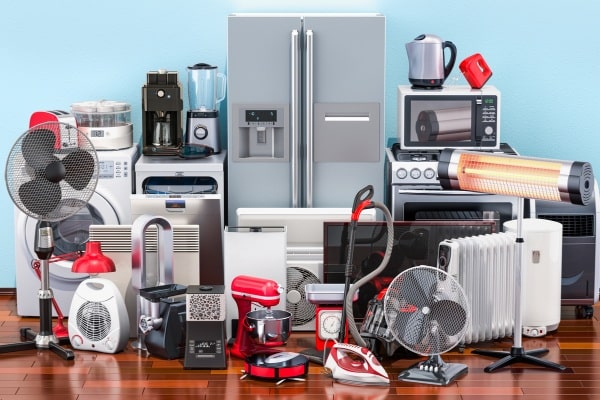
Many households unknowingly waste money on outdated or inefficient appliances. Older refrigerators, washing machines, and other large appliances often consume more energy than newer, energy-efficient models. While the upfront cost of upgrading may seem high, the long-term savings on utility bills often outweigh the initial investment.
Another hidden cost comes from leaving electronics and appliances plugged in when not in use. Devices in standby mode, such as TVs, game consoles, and chargers, continue to draw power, leading to higher energy bills. Using smart plugs or simply unplugging unused devices can make a noticeable difference in monthly utility costs.
Subscription Services You Forgot About

The rise of subscription-based services has made it easy to lose track of recurring expenses. From streaming platforms to meal kits, many subscriptions go unnoticed or unused after the initial excitement wears off. These small monthly fees, when added together, can amount to hundreds of dollars annually for services that may no longer be needed.
Auto-renewal policies often trap consumers into paying for subscriptions they intended to cancel. Keeping a detailed list of active subscriptions and setting reminders to review them periodically can help households identify unnecessary expenses. Canceling unused services is a simple way to free up extra cash each month without making significant lifestyle changes.
Personal Care Products: Overpriced Luxuries

Personal care items like shampoos, lotions, and cosmetics are another area where money is often wasted. Many premium brands come with hefty price tags, yet their performance may not justify the cost. Affordable alternatives, including drugstore brands or minimalist product routines, can meet the same needs without the financial burden.
Another issue is the tendency to over-purchase or stockpile personal care products, many of which expire before being used. Keeping track of usage habits and buying only what is necessary can help minimize waste. By focusing on essentials and avoiding overindulgence, households can significantly reduce spending on personal care.
Impulse Buys: The Grocery Store Trap

Grocery stores are designed to encourage impulse purchases, with strategically placed items like candy, snacks, and magazines near the checkout line. These small, unplanned buys may seem harmless but can add up quickly over time. Creating and sticking to a shopping list is an effective way to avoid falling into this trap.
Buying in bulk can also lead to unnecessary spending when items are not consumed before they expire. While bulk deals may seem cost-effective, they are only worthwhile if the products are genuinely needed and used. Evaluating bulk purchases carefully ensures that money is spent wisely without contributing to waste.
A New Financial Perspective: Smart Habits for Saving
Adopting smarter spending habits can transform household finances and reduce waste. By recognizing and addressing common money-wasting behaviors, families can take control of their budgets and make more informed purchasing decisions. Small changes, like switching to reusable alternatives or reviewing subscription services, can lead to significant savings over time.
Mindful spending not only reduces unnecessary costs but also encourages sustainable practices. With a little effort and awareness, households can turn wasteful habits into opportunities for financial growth and environmental responsibility. These changes pave the way for a more economical and fulfilling lifestyle.