


Many households unknowingly waste money on items that seem essential but are often overused, overpriced, or entirely unnecessary. These small, everyday expenses may appear insignificant, but over time, they can add up to a significant financial drain. From disposable products to unnecessary luxuries, a surprising number of items can quietly eat away at a budget. This article will explore some of the most common household money wasters and provide practical tips to help families save.
Paper Products: Overused and Overspent
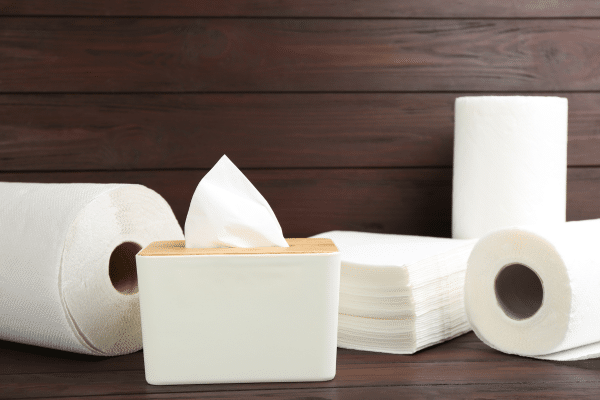
Disposable paper products such as paper towels, napkins, and tissues are household staples, but they also represent a recurring expense that can quickly add up. Many people use paper towels for everything from cleaning spills to wiping hands, often without considering the long-term cost. By switching to reusable alternatives like microfiber cloths or washable napkins, households can significantly reduce these expenses while adopting more eco-friendly practices.
The convenience of single-use items often overshadows their financial impact. Premium-brand paper products, in particular, can cost double the price of generic or bulk alternatives. While these high-priced products may claim to offer superior quality, many generic options provide similar performance at a fraction of the cost. Making smarter choices about paper product purchases can lead to substantial savings over time.
Cleaning Supplies: The Overload Trap

Households often stockpile cleaning products, falling into the trap of buying specialized cleaners for every surface. Advertisements suggest a need for a separate cleaner for glass, wood, tile, and countertops, creating a sense of necessity for products that are often redundant. Multipurpose cleaners or DIY solutions made from common items like vinegar and baking soda can tackle most cleaning needs without the added expense.
Another issue is the tendency to over-purchase cleaning supplies. Many products end up unused or forgotten under the sink, leading to unnecessary waste. Instead of buying in bulk or taking advantage of sales, it’s wiser to purchase smaller quantities as needed. This approach not only saves money but also ensures that products are used before their effectiveness diminishes.
Bottled Water: The Silent Budget Drainer

Purchasing bottled water is one of the most common yet avoidable household expenses. While it may seem convenient, the cost of buying bottled water regularly far exceeds the price of investing in a quality water filter. Over a year, the cumulative expense of bottled water can be shocking, especially when compared to the minimal cost of reusable water bottles and filtration systems.
Beyond the financial implications, bottled water also contributes to significant environmental waste. Switching to a reusable bottle and filtering tap water at home not only saves money but also reduces plastic consumption. Many families find that making this simple change drastically cuts their weekly grocery bills while promoting sustainable habits.
Name-Brand Groceries: Is the Premium Worth It?

The grocery aisle is a prime example of how brand loyalty can lead to overspending. Shoppers often reach for well-known brands out of habit, assuming they offer better quality than store-brand alternatives. However, many store brands provide comparable quality at a much lower cost, especially for pantry staples like sugar, flour, and canned goods.
Marketing plays a powerful role in convincing consumers that premium brands are worth the extra expense. Eye-catching packaging and clever slogans can influence purchasing decisions, even when the actual product differences are minimal. Conducting a simple taste test or reading ingredient labels can help consumers break free from brand loyalty and discover cheaper alternatives without sacrificing quality.