
Mulching

Mulching goes beyond just aesthetics; it’s a powerful method to suppress weeds. A thick layer of mulch can block sunlight, preventing weeds from receiving the necessary light to grow. Additionally, it creates a physical barrier, making it hard for emerging weeds to break through the surface. Organic mulches like straw, bark, or grass clippings not only deter weeds but also enrich the soil as they decompose.
Another reason mulching is favored by gardeners is its dual functionality. Apart from weed suppression, mulch helps the soil retain moisture, provides a steady temperature base, and reduces the risk of soil erosion. When choosing a mulch type, it’s crucial to consider its origin and quality, ensuring it doesn’t introduce new weed seeds or pests to the garden.
Salt Solution
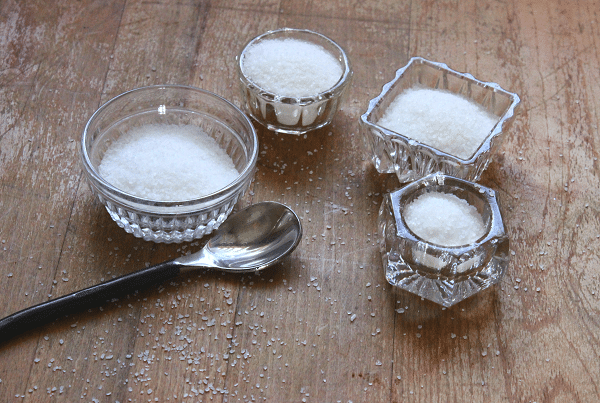
Salting the earth has ancient roots, often used as a symbol of destruction or desolation. In a more practical gardening sense, a concentrated salt solution can be a formidable weapon against invasive weeds. When applied, salt dehydrates plants by drawing out moisture, leading to their eventual death. While it’s undeniably effective, one should apply it with caution to avoid salinizing the soil, making it inhospitable for future plant growth.
The method of applying salt as a weed killer can be straightforward: either sprinkle it directly onto the weeds or dissolve it in water and use it as a spray solution. However, this technique’s simplicity doesn’t minimize its potency. Gardeners should be cautious to use it sparingly and in targeted areas, such as cracks in patios or driveways, where preventing soil fertility isn’t a concern. Overuse can lead to long-term damage, hindering the growth of desired plants in the area.
Corn Gluten Meal

Corn gluten meal might sound like something found in a kitchen, but it’s making waves in the gardening world. Acting as a natural pre-emergent, it prevents weed seeds from germinating and establishing a stronghold in gardens. When applied at the right time, primarily during early spring or just before the weed growing season, it serves as a proactive measure, reducing future weeding tasks.
In addition to its herbicidal properties, corn gluten meal offers a nutritional boost to the soil. As it breaks down, it releases nitrogen, promoting a lush and vibrant growth of desired plants. This dual-action — preventing weeds and nourishing the soil — makes it a favorite for organic gardeners. It’s worth noting, though, that it won’t affect already established weeds, so a combination approach with other methods might be necessary for complete weed control.
Natural Herbicidal Soaps

Derived from natural fatty acids, herbicidal soaps can wreak havoc on the cellular structure of weeds. When sprayed onto unwanted plants, these soaps penetrate the outer layer, causing the cells to rupture and leading to dehydration. The best part? The action is swift, often showing results within a few hours to a couple of days.
While natural herbicidal soaps offer an effective and eco-friendly solution, there are some caveats. They’re contact herbicides, which means they only kill the parts of the plant they touch. This can be a limitation when dealing with deep-rooted weeds, as the soap might not reach and destroy the entire root system. Moreover, they’re non-selective, so careful application is vital to prevent damage to neighboring beneficial plants.
The Bottom Line
Choosing natural weed killers not only reduces environmental and health risks but also fosters a holistic approach to gardening. By relying on organic methods, gardeners can maintain a thriving ecosystem in their green spaces, promoting the health of both plants and the soil. From boiling water to mulches, these nature-based alternatives challenge the dominance of chemical herbicides, showing that effective weed control doesn’t necessitate compromising the environment.
