
Plumbing Maintenance
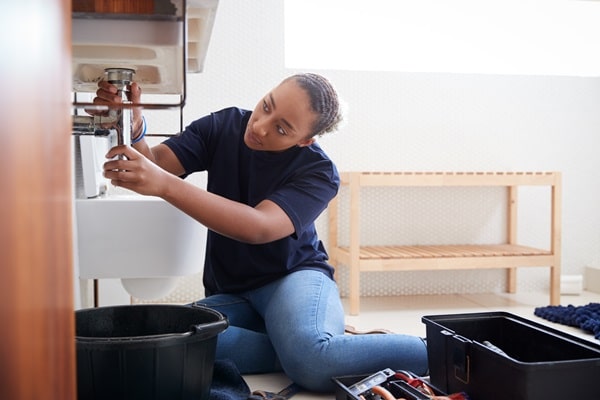
Maintaining your home’s plumbing system is critical in preventing water damage. Regularly inspect your plumbing for leaks and signs of corrosion, paying particular attention to areas under sinks, around appliances, and near water heaters. Catching small leaks early can prevent them from becoming major problems. It’s also a good idea to have a professional plumber conduct annual inspections to identify and address potential issues before they escalate.
Installing water leak detectors can provide an extra layer of protection. These devices can be placed in key areas such as under sinks, behind appliances, and in basements. They alert you to the presence of water, allowing you to address leaks promptly before significant damage occurs. Additionally, replacing old pipes with modern materials that resist corrosion and damage can further safeguard your home from water damage. Regular maintenance and timely upgrades to your plumbing system are essential steps in water damage prevention.
HVAC System Care
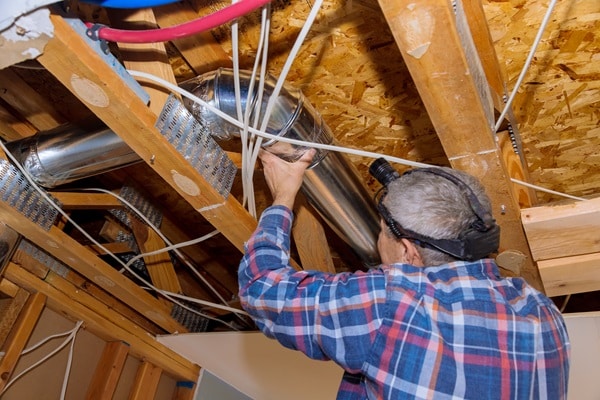
Proper care of your HVAC system is another important aspect of preventing water damage. Regularly maintain your HVAC units by checking for leaks and ensuring proper drainage. Air conditioning units, in particular, can generate a significant amount of condensate, which needs to be drained away effectively to prevent water buildup. Make sure filters are cleaned or replaced regularly to ensure proper airflow and reduce the risk of system malfunctions that could lead to leaks.
Installing a condensate pump can be a smart addition to your HVAC system. This pump helps to efficiently remove the water that accumulates from the HVAC system, directing it to an appropriate drainage area. Additionally, insulating your HVAC ducts can prevent condensation from forming, which can cause water damage and decrease energy efficiency. Regular HVAC maintenance, including professional inspections, can help identify and fix potential issues before they cause water damage to your home.
Emergency Preparedness
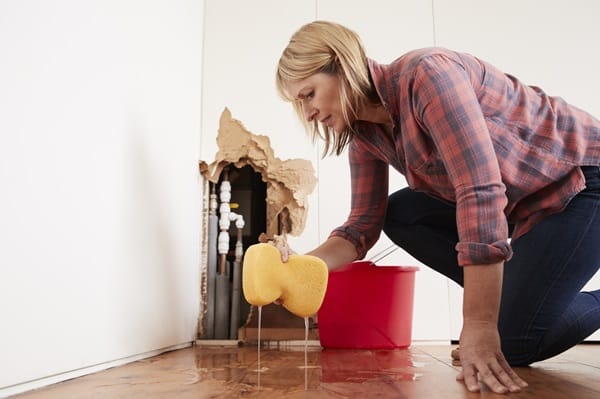
Being prepared for potential water emergencies is crucial in minimizing damage. Develop a water damage response plan that includes identifying the location of shut-off valves and knowing how to use them. Make sure everyone in your household is familiar with this plan and knows the location of emergency tools such as a wet/dry vacuum, dehumidifiers, and fans. These tools are essential for quickly addressing water intrusion and preventing further damage.
Equipping your home with water leak detectors and smart leak detection systems can provide early warnings of potential problems. These devices can alert you in real-time if they detect water, allowing for a swift response. Conduct regular drills to ensure everyone knows how to react in case of a water emergency. By having a well-thought-out plan and the necessary tools and knowledge, you can significantly reduce the impact of water damage on your home.
Water Damage Prevention
Preventing water damage requires proactive measures and regular maintenance. By conducting routine inspections, implementing waterproofing solutions, and ensuring proper landscaping and drainage, homeowners can protect their properties from costly and damaging water issues. Additionally, maintaining plumbing and HVAC systems and being prepared for emergencies are crucial steps in safeguarding your home. Implementing these strategies will help ensure your home remains safe, dry, and structurally sound. Stay vigilant and address any potential water issues promptly to maintain the integrity and value of your home.