

Batteries and Electronic Waste
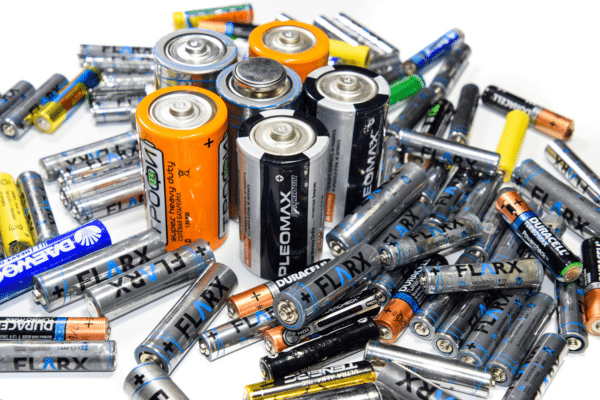
Storing used or old batteries under the sink might seem convenient, but it’s a fire hazard waiting to happen. Moisture from leaks or condensation can seep into battery casings, causing corrosion or short circuits that generate heat and sparks. The combination of electricity, metal, and a damp environment is a recipe for ignition.
Electronic waste, such as small gadgets or chargers tossed into the cabinet, also carries fire risks. Wiring can degrade or fray over time, and moisture accelerates this damage. If a short circuit occurs, it can ignite nearby flammable items. Batteries and electronic waste should always be stored in a dry, temperature-controlled area, and recycled or disposed of properly.
Alcohol-Based Products
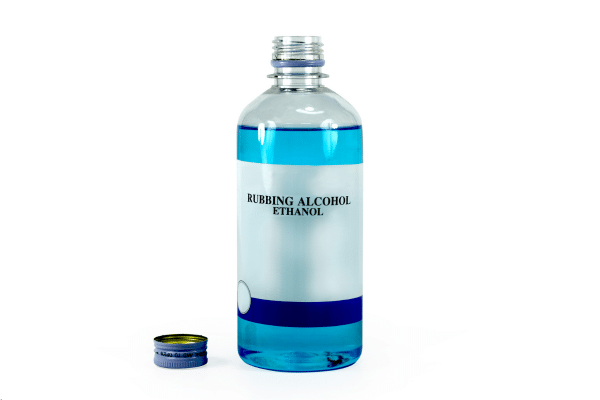
Many households keep bottles of rubbing alcohol or alcohol-based cleaners for disinfecting surfaces. However, these products contain high concentrations of ethanol or isopropyl alcohol, which are extremely flammable. If the bottle tips over and leaks under the sink, vapors can accumulate quickly and ignite with minimal provocation.
Even a small spark from a garbage disposal or nearby appliance can set alcohol vapors aflame, turning a minor spill into a kitchen inferno. Instead of keeping these products under the sink, store them in a secure cabinet away from heat sources and out of direct sunlight, reducing both fire risk and accidental ingestion hazards for children or pets.
Pest Control Chemicals
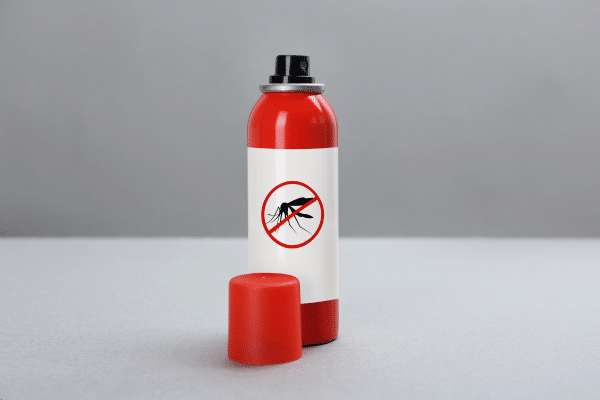
Poisons and traps used for pest control often contain flammable ingredients, especially aerosol-based insect sprays or rodent repellents. When stored under the sink, these chemicals become dangerous if plumbing leaks occur, leading to unexpected chemical reactions or increased fire risk. The humid, enclosed environment of a sink cabinet only magnifies the danger.
Additionally, accidental mixing of pest control chemicals with cleaning agents or other stored items can produce toxic fumes or reactions that can ignite. Keeping pest control products on a high shelf in a garage or utility room, clearly labeled and out of children’s reach, provides a much safer alternative than stashing them beneath the kitchen sink.
Extra Plastic Bags and Combustible Packaging
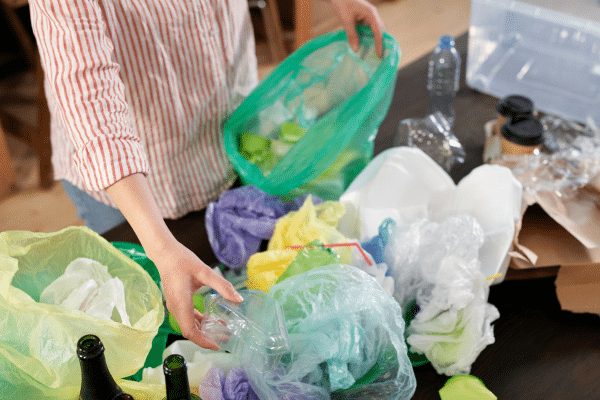
Many people tuck plastic grocery bags or packaging materials under the sink for reuse, but large quantities of plastic and cardboard in a confined space act as perfect kindling for a fire. If a small fire starts under the sink—due to a spark, shorted wire, or ignited chemical vapor—the presence of these materials will cause flames to spread rapidly.
Plastic burns hot and fast, producing dense, toxic smoke that can quickly fill a kitchen and home. Instead of storing bags under the sink, use a dedicated container in a pantry or closet. This reduces clutter and removes a major source of fuel that could feed a kitchen fire beyond control in seconds.
Better Safe Than Sorry: How to Store Household Hazards Properly
Preventing fires starts with mindful storage. Keeping cleaning chemicals, aerosols, solvents, and flammable products out of the cabinet under the sink is one of the simplest ways to improve kitchen safety. Relocate these items to ventilated spaces or fire-resistant cabinets, and make sure rags and paper towels are either cleaned or safely discarded.
Choosing proper storage keeps dangerous items out of reach of children and pets while minimizing fire hazards. By reassessing what’s tucked away under the sink and making intentional changes, every household can create a safer, more secure kitchen where the risk of an unexpected blaze is dramatically reduced.