


Dust buildup seems unavoidable, no matter how often the vacuum runs or how many times surfaces get wiped down. While it’s easy to blame open windows or a neglected air filter, the truth is that dust has a sneaky way of making itself at home. It hides in everyday habits, forgotten corners, and even in cleaning tools meant to remove it. What’s more surprising is how many of these culprits fly completely under the radar. Understanding where dust really comes from—and how it spreads—is the first step to taking back control of the air and surfaces in any space.
Your Vacuum Might Be Making It Worse

Vacuuming is usually the go-to method for tackling dust, but not all vacuums are doing the job well. Older or low-end models often lack proper filtration systems, especially high-efficiency particulate air (HEPA) filters. Without that feature, vacuums may expel fine dust particles into the air as they clean. When emptied indoors, even bagless models can send a cloud of invisible debris back into circulation. What feels like cleaning could just be redistributing the thing you’re trying to remove.
If the vacuum gives off a smell or releases a puff of air when used, chances are it’s not trapping everything. Regular maintenance is key—filters should be replaced often, and dust bins should be emptied outside. Attachments for furniture and corners matter, too, since neglecting those areas keeps dust in circulation. When the machine becomes a source of pollution, it’s time for an upgrade or a proper cleaning. An effective vacuum should leave the air fresher, not dustier.
Carpets and Rugs Trap More Than Just Dirt

Carpets act like massive dust sponges, absorbing everything from pet dander and crumbs to skin cells and textile fibers. With every step, the pressure pushes those particles deeper, where even a vacuum can’t always reach. Area rugs on the carpet can worsen the issue, trapping dust between layers and beneath edges. It doesn’t help that vacuuming alone rarely removes what’s deeply embedded in the fibers. Over time, carpets stop looking dusty but still hold onto what’s invisible.
Even shaking out rugs outdoors, especially with dense fabrics or older materials, won’t get everything out. Professional cleaning or steam cleaning can reduce the load, but only temporarily. Homes with hardwood, tile, or laminate flooring tend to stay noticeably less dusty with regular sweeping and mopping. Swapping out high-pile carpets for low-pile versions or hard floors makes a long-term difference. It also eliminates the constant reintroduction of dust through foot traffic and daily activity.
Your Windows Aren’t As Closed As You Think

It’s easy to assume that if windows are shut, outside dust stays out—but that’s rarely true. Tiny cracks in the window frame or sealant allow microscopic particles to drift inside. Even double-pane or energy-efficient windows aren’t immune if the seals are worn or compromised. Windy days can funnel in dust through the tiniest gaps, creating a trail along windowsills and floors without a noticeable draft. Over time, this dust builds up quietly and persistently.
Window tracks and screens also collect a surprising amount of grime, which gets blown in with even slight breezes. Most people clean the glass but ignore the frames, seals, and tracks, leaving dust to pile around those overlooked zones. Weather stripping and caulking can help close those gaps and prevent future buildup. The key is shutting windows and sealing them against the outdoors. This reduces the dust that drifts in with every gust of air.
The HVAC System Could Be Blowing It Around
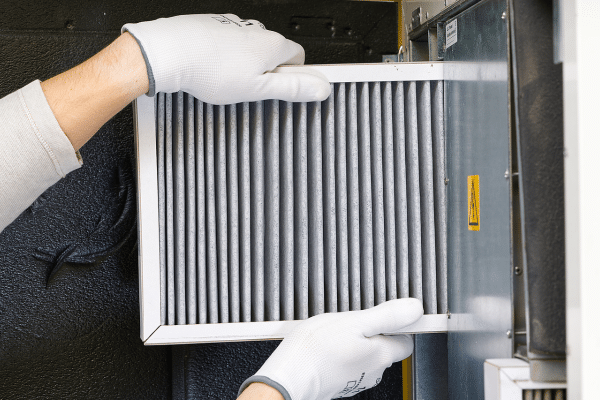
Heating and cooling systems do more than adjust the temperature—they move air and dust. When air ducts are filled with debris, they spread dust through every vent in the home. Filters are supposed to catch these particles, but not all filters are created equal. Thin or clogged filters fail to trap fine dust, letting it float back into living spaces. Even high-quality filters need regular replacing to work efficiently.
Vents often get overlooked during cleaning, but they can build up layers of grime that blow into the room every time the system kicks on. Dust settles around the vent covers and inside the ducts, becoming part of a never-ending cycle. Scheduling regular duct cleaning and upgrading to HEPA-rated filters can significantly reduce airborne dust. Airflow is essential for comfort, but not at the cost of clean indoor air. A dusty HVAC system means a dusty house every time.