


Fabric Overload: Curtains, Cushions, and Bedding

Textiles throughout the home collect and release dust far more than most realize. Heavy curtains, plush throw pillows, and decorative blankets often go weeks—or months—without a proper wash. As air moves through the house, it stirs up these settled particles and scatters them across furniture and floors. What feels like cozy decor can quietly contribute to an ongoing dust storm. Every soft surface adds to the invisible load in the air.
In bedrooms, bedding becomes a hotspot. Dead skin, hair, and fabric fibers build up faster than expected, especially on sheets and duvets. Regular laundering helps, but forgotten pieces like headboards or bed skirts often go untouched. Window treatments are another major offender—most people rarely wash them, yet they sit in airflow paths daily. Simplifying fabric-heavy decor or choosing washable materials makes dust management far easier in the long run.
Pets Are Adorable… and Dust Magnets

Pets bring more than companionship—they carry dust on their paws, fur, and noses. Animals contribute a constant stream of particles to the household air between shedding, rolling around, and tracking in debris. Pet dander is especially persistent, floating through the air and settling on every available surface. Even with frequent grooming, pets are natural dust producers in ways that are hard to fully eliminate.
Pet beds, blankets, and toys also trap layers of dust, especially in corners or under furniture. These items get used daily but cleaned infrequently, making them silent contributors to dust buildup. Frequent vacuuming in pet zones, washing their bedding, and brushing them outdoors can all help reduce what gets spread around. While pets are family, they come with a cloud of tiny extras that cling to every corner they touch.
Your Cleaning Routine Might Be Backfiring
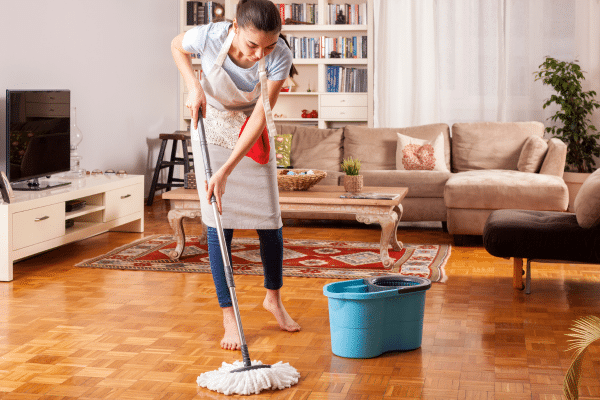
Sometimes, how a home gets cleaned makes things worse without anyone realizing it. Dry dusting with a cloth or feather duster often moves dust around rather than picking it up. The particles that don’t settle again quickly become airborne and drift to other areas of the house. Microfiber cloths or damp wipes do a much better job of trapping and removing dust entirely—the tools and order of cleaning matter more than most think.
Vacuuming before dusting also causes problems, sending particles into the air before surfaces are wiped clean. Baseboards, ceiling fans, blinds, and under furniture often get skipped, allowing dust to gather out of sight. A top-down cleaning method—starting with higher surfaces and working downward—reduces dust redistribution. Rethinking the sequence and methods of regular chores can quickly lead to cleaner air and less visible buildup everywhere.
Outdoor Elements Sneak In On You
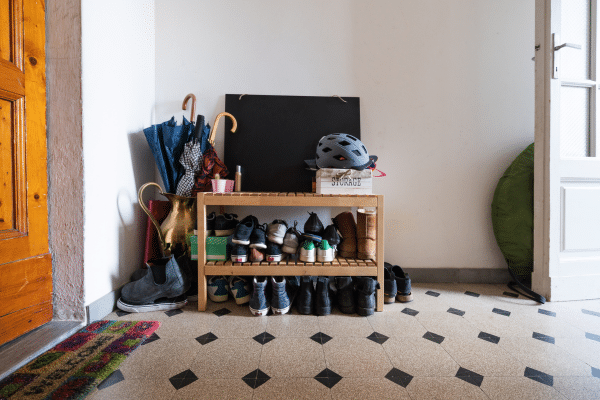
Shoes may be the biggest sneaky source of indoor dust. They track in soil, pollen, and debris from sidewalks, streets, and yards, depositing particles all over floors. That trail builds up quietly, especially in entryways and high-traffic areas. Leaving shoes at the door or using indoor-only footwear can significantly reduce what gets dragged inside without a second thought.
Open windows, even briefly, invite in more than fresh air. Windy days stir up pollen, construction dust, and other fine particles that easily slip through screens. Ceiling fans and portable fans only circulate those particles throughout the home. Opening windows early in the day or after rainfall reduces dust exposure. It’s not just what’s inside the house that matters—what gets carried in plays a major role, too.
Breathe Easy Again: Outsmart the Dust Cycle
It’s not always the obvious culprit creating dust problems at home. More often, a combination of unnoticed habits, neglected areas, and outdated cleaning tools keeps the dust coming back. From carpets that hold decades of debris to windows that aren’t quite sealed, indoor dust sources often hide in plain sight. Shifting small routines—like using better filters, washing overlooked fabrics, and keeping pet areas cleaner—can make a dramatic difference. Instead of constantly battling dust, take steps that cut it off at the source. Cleaner air starts with spotting what’s been missed all along.