


Storing drinks in plastic containers is an age-old, convenient, and seemingly harmless practice. However, this everyday habit comes with health and environmental consequences that most people are unaware of. From chemical leaching to accelerated spoilage, certain drinks can become ticking time bombs when encased in plastic. This article explores specific drinks that should never be stored in plastic containers for the sake of your health and the planet. With this knowledge, readers can make more informed choices and safeguard their well-being.
Coffee and Tea

Coffee and tea are perhaps the most universally consumed hot beverages. However, storing them in plastic is risky due to the heat involved. When hot liquids come into contact with plastic containers, they accelerate the leaching of harmful chemicals like BPA (Bisphenol A) into the drink. BPA has been linked to various health problems, such as hormonal imbalances and increased cancer risk.
If you love these comforting drinks, consider storing them in ceramic or stainless steel containers. These materials are more stable when subjected to high temperatures and are less likely to contaminate your drink. With the rising popularity of reusable coffee mugs, making the switch has never been easier or more stylish.
Citrus Juices (Lemonade, Orange Juice)
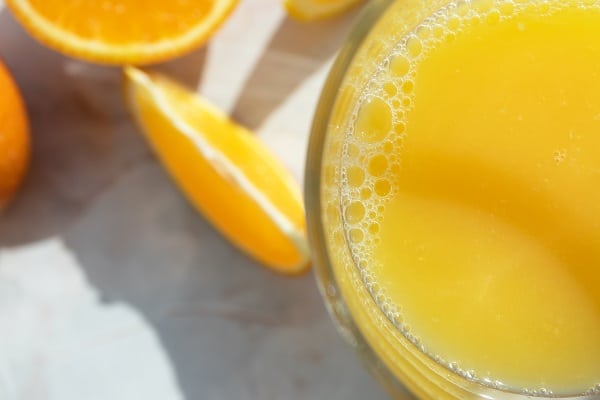
Citrus juices, including lemonade and orange juice, are often the go-to refreshments for a hot summer day. However, these acidic drinks are not suitable for storage in plastic containers. The high acidity can break down plastic materials, causing them to leach chemicals into the juice. Beyond the health implications, this can also alter the taste and quality of the drink.
Instead of using plastic containers, glass or stainless steel are the recommended alternatives. These materials are not only non-reactive but also better at preserving the flavor and nutrients of the juice. So, the next time you make a batch of homemade lemonade, think twice before reaching for that plastic pitcher.
Carbonated Drinks (Soda, Sparkling Water)
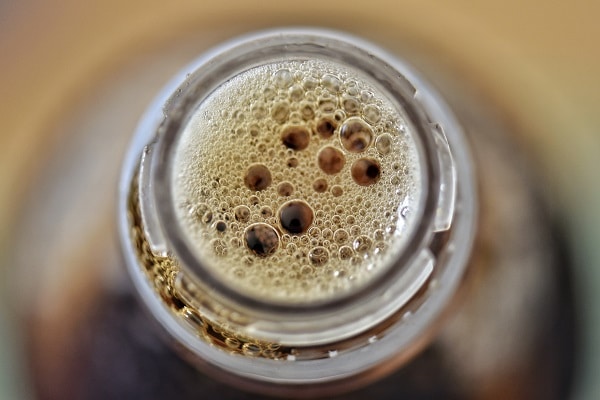
Carbonated drinks like soda and sparkling water have become staples in many households. However, these bubbly beverages pose a threat when stored in plastic containers. Carbonation can increase the rate at which chemicals from the plastic leach into the drink. This puts consumers at risk of ingesting harmful substances like phthalates, which are endocrine disruptors.
The environmental aspect is also a concern. Single-use plastic bottles contribute to the ever-growing problem of plastic pollution. It’s not just about your health; it’s also about the planet’s well-being. Aluminum cans or glass bottles are better for storing carbonated drinks, as they are less prone to leaching and are often easier to recycle.
Milk and Dairy-based Drinks

Dairy products like milk and yogurt-based drinks present their challenges when stored in plastic. The composition of dairy can interact with the plastic, accelerating the spoilage rate. Moreover, harmful bacteria are more likely to increase in these conditions, posing health risks such as food poisoning.
The health implications extend beyond just spoilage. Storing dairy products in plastic containers can also lead to leaching chemicals like BPA into the milk or yogurt. These substances have been linked to various health issues, from hormonal imbalances to potential carcinogenic effects. Glass bottles or stainless steel containers are better options for storing dairy products to ensure safety and freshness.