

Alcoholic Beverages (Beer, Wine)
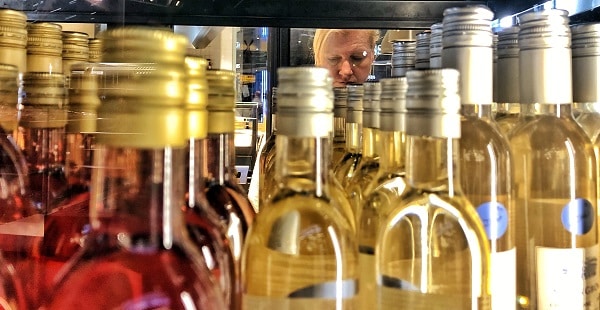
Storing alcoholic beverages like beer and wine in plastic containers is best avoided. Alcohol can break down plastic materials, which can result in chemical leaching. Additionally, the unique flavor profiles of alcoholic drinks can be compromised, leading to an undesirable taste that won’t impress anyone.
Not only is the integrity of the drink at risk but there’s also a direct impact on health. Chemicals that leach into the beverage can be harmful when ingested. Glass bottles and stainless-steel containers are typically the best choice for storing alcoholic beverages. Not only do these materials preserve the taste, but they also safeguard against potential health risks associated with plastic.
Smoothies with Added Oils
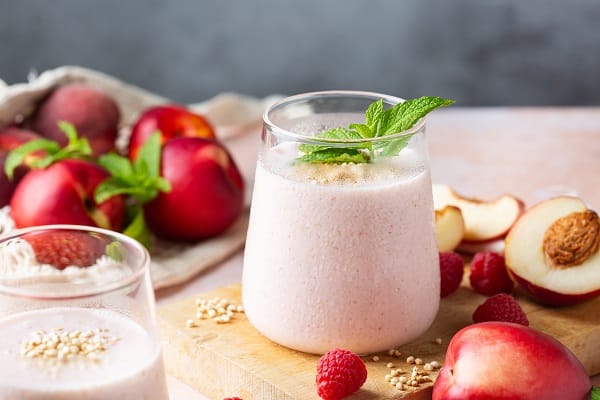
Smoothies often include healthy additives like flaxseed or coconut oil for an extra nutritional punch. However, oil-based drinks should never be stored in plastic containers. The fatty acids in oils can react with plastic, causing harmful substances to leach into the smoothie. This could turn your health drink into a chemical cocktail.
Health-conscious individuals should especially be aware of this risk. If you’re using oils in your smoothies for their health benefits, the last thing you want is to counteract those benefits by using a harmful storage container. Using glass or stainless-steel containers can help ensure that your healthy drink stays just that—healthy.
Energy Drinks

Energy drinks are widely consumed for that quick boost of energy. Yet, storing them in plastic containers is problematic. These drinks often contain a mix of acidity and chemical additives, both of which can interact negatively with plastic, causing chemicals like BPA to leach into the drink.
Beyond health concerns, energy drinks are often sold in single-use plastic bottles or cans with plastic linings, contributing to plastic pollution. This environmental impact is significant given the popularity of these drinks, especially among younger generations. As a more responsible alternative, look for brands that use aluminum or glass containers or transfer the contents to your reusable container if needed.
Iced Drinks

From iced tea to iced coffee, these refreshing drinks are often stored in plastic containers for convenience. However, the temperature fluctuations from cold to room temperature can affect the integrity of the plastic, accelerating the leaching of harmful chemicals into the drink.
The trade-off between convenience and health should be carefully considered. Plastic cups or bottles may offer the convenience of being lightweight and easy to carry, but the potential health risks outweigh these benefits. Alternative containers like stainless steel tumblers or glass jars are better for storing iced drinks.
The Bottom Line
The list of drinks you should never store in plastic containers is eye-opening and calls for immediate action. From coffee and tea to citrus juices and alcoholic beverages, each poses unique risks to your health and the environment when stored in plastic. The leaching of harmful chemicals such as BPA and phthalates isn’t just a minor inconvenience—it’s a health risk that needs urgent attention. The call to action is clear: it’s time to switch to safer, more sustainable alternatives like glass and stainless steel for the well-being of individuals and the planet. The minor inconvenience of making this switch pales compared to the long-term benefits, making it necessary for a healthier life and a cleaner Earth.