

Safe Disposal In Household Trash
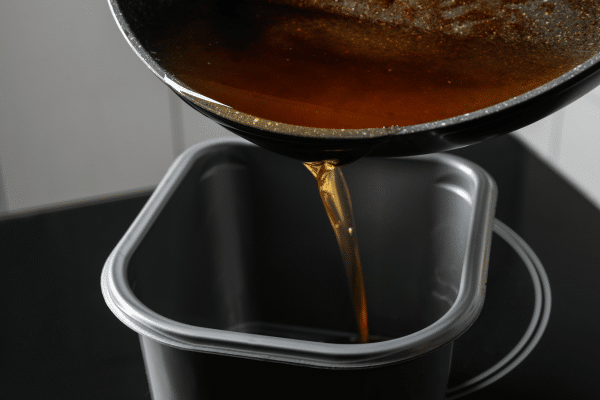
Many households often resort to disposing of their cooking grease in the trash. If chosen, it’s pivotal to ensure the grease is solidified to prevent leaks and potential messes. Placing the grease in a sealed container, like an old coffee can or milk carton, is recommended before disposing of it in the garbage bin. This practice prevents any liquid grease from seeping out and contaminating other trash items.
Apart from the direct implications for household waste, consider the broader environmental impact. Landfills are already overburdened, and adding liquid grease can lead to seepage and potential groundwater contamination. Solidifying grease before disposal reduces this risk significantly and ensures that the trash handling process, from collection to landfill, remains efficient and environmentally conscious.
Ways NOT To Deal With Cooking Grease
Pouring Down The Drain

Perhaps one of the most commonly practiced yet problematic methods of grease disposal is pouring it down the kitchen sink. The misconception that hot water and dish soap can break down grease has led many to believe this method is harmless. However, as the grease cools, it solidifies, adhering to pipe walls and creating blockages.
Over time, these blockages can accumulate, leading to severe plumbing issues and costly repairs. More so, when grease reaches sewage treatment plants or septic systems, it can hinder their operations. In urban settings, such blockages can lead to sewer overflows, which pose significant environmental risks, contaminating local waterways and affecting aquatic life. It’s evident that the implications of this practice are far-reaching and it’s vital to reconsider before pouring that pan of grease down the drain.
Dumping It In The Yard

A yard might seem like a natural and harmless place to dispose of grease, but doing so can lead to unforeseen problems. While grease is organic and might be assumed to degrade over time, its presence in the yard can attract pests, including rodents and insects. These pests can disturb the natural ecosystem of the yard and may even find their way into homes.
Moreover, grease doesn’t merely stay on the surface of the ground. With rain and irrigation, it can seep deeper into the soil, potentially contaminating groundwater. This contamination can harm plants by affecting the soil’s pH levels and preventing roots from absorbing necessary nutrients. Thus, while the yard might seem like a convenient disposal spot, the long-term environmental and ecological costs are too high to ignore.
Reusing Without Filtering
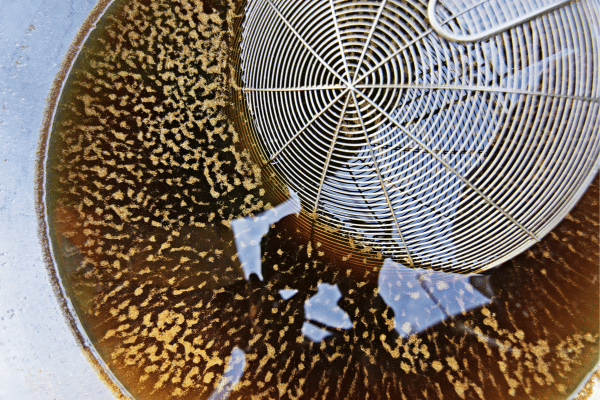
While reusing cooking grease is a commendable approach to reducing waste, doing so without proper filtering can pose problems. Unfiltered grease retains food particles, which not only affect the flavor of dishes but can also be a breeding ground for harmful bacteria. Cooking with contaminated grease can jeopardize food safety and the health of those consuming the dish.
Additionally, reusing unfiltered grease can affect the cooking outcome. The remnants from previous dishes can smoke or burn, leading to uneven cooking or imparting a burnt taste to the food. To ensure the best culinary results and maintain safety standards, filtering grease before reuse is of paramount importance.
The Bottom Line
Proper grease management in a kitchen goes beyond mere cleanliness; it plays a pivotal role in environmental conservation, household maintenance, and culinary success. With numerous misconceptions about grease disposal circulating, understanding and implementing best practices is vital. By ensuring proper storage, recycling, or disposal, everyone can contribute to a greener, more sustainable future, while also enjoying delicious, safely prepared meals.