


Spider Plant
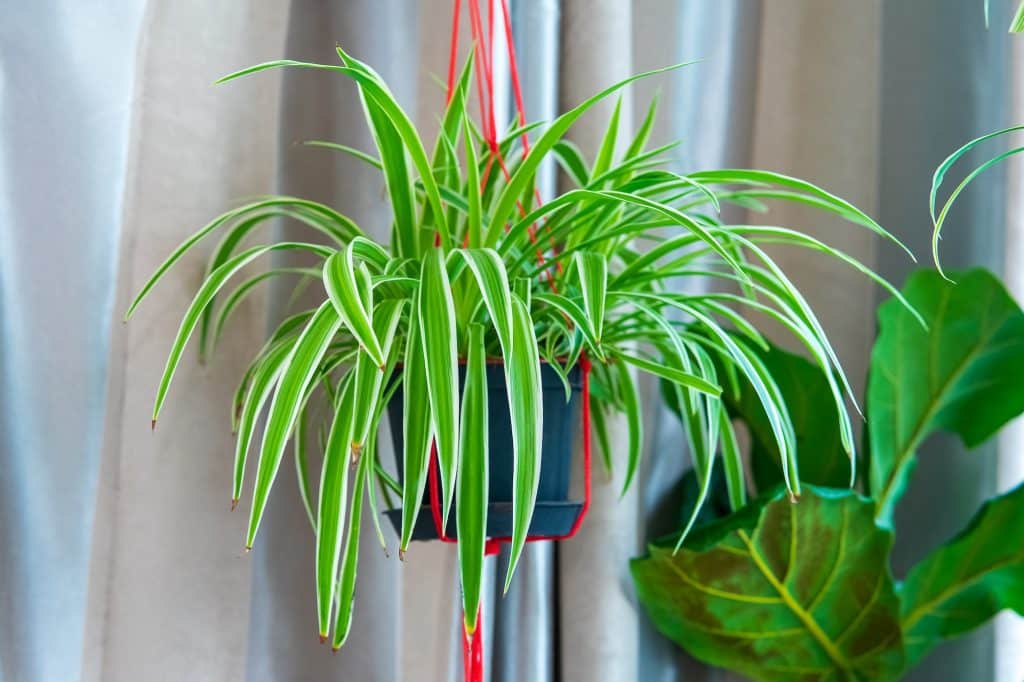
The Spider Plant, scientifically known as Chlorophytum comosum, is well-loved for its arching leaves and baby plantlets that dangle from the mother plant, resembling spiders. It’s a versatile plant that can adapt to various light conditions, from bright indirect light to partial shade. Its ability to purify the air by removing pollutants like xylene and toluene adds to its appeal.
Caring for a Spider Plant is simple. It prefers well-draining soil and likes to dry out slightly between waterings. Regular misting can help maintain humidity levels, especially in dry environments. Pruning the brown tips of the leaves and providing occasional fertilization will keep them lush and healthy. The Spider Plant’s adaptability and charming appearance make it a delightful addition to any home.
Peace Lily

The Peace Lily, or Spathiphyllum, is known for its elegant white blooms and glossy green leaves. It’s beautiful and hardy, making it a favorite among those looking for both aesthetics and ease of care. The Peace Lily can thrive in low to medium light, and its blooms are a stunning addition to any room. Additionally, it’s recognized for its ability to filter indoor air pollutants.
Caring for a Peace Lily involves keeping the soil slightly moist but never soggy. It prefers a well-draining soil mix and a pot with drainage holes. Misting the leaves can help maintain humidity, and removing spent flowers will encourage new blooms. Providing indirect light and avoiding drafts will ensure a thriving Peace Lily. Its graceful appearance and low-maintenance nature make it a popular choice for homes and offices alike.
Care Tips For Resilient Plants
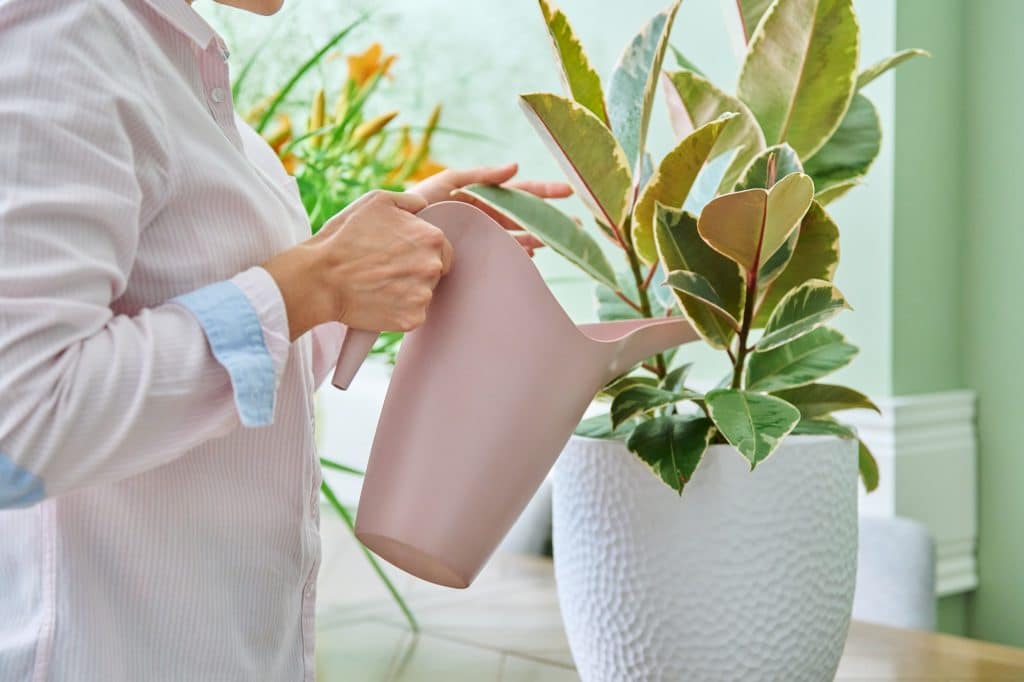
Caring for hard-to-kill houseplants doesn’t require a green thumb, but understanding their basic needs is essential. Most resilient plants prefer well-draining soil and pots with drainage holes to prevent overwatering. Watering needs vary, but a general rule is to allow the soil to dry slightly between waterings. Proper lighting, whether it’s bright indirect light or low light, should match the plant’s specific needs.
Fertilizing these plants is usually minimal, with most requiring only occasional feeding during the growing season. Pruning dead or yellowing leaves will keep the plants looking their best. Finally, regularly checking for signs of pests and disease will ensure the plants remain healthy and vibrant. These care tips provide a foundation for nurturing hard-to-kill houseplants that will thrive with minimal effort.
Where To Buy Resilient Plants
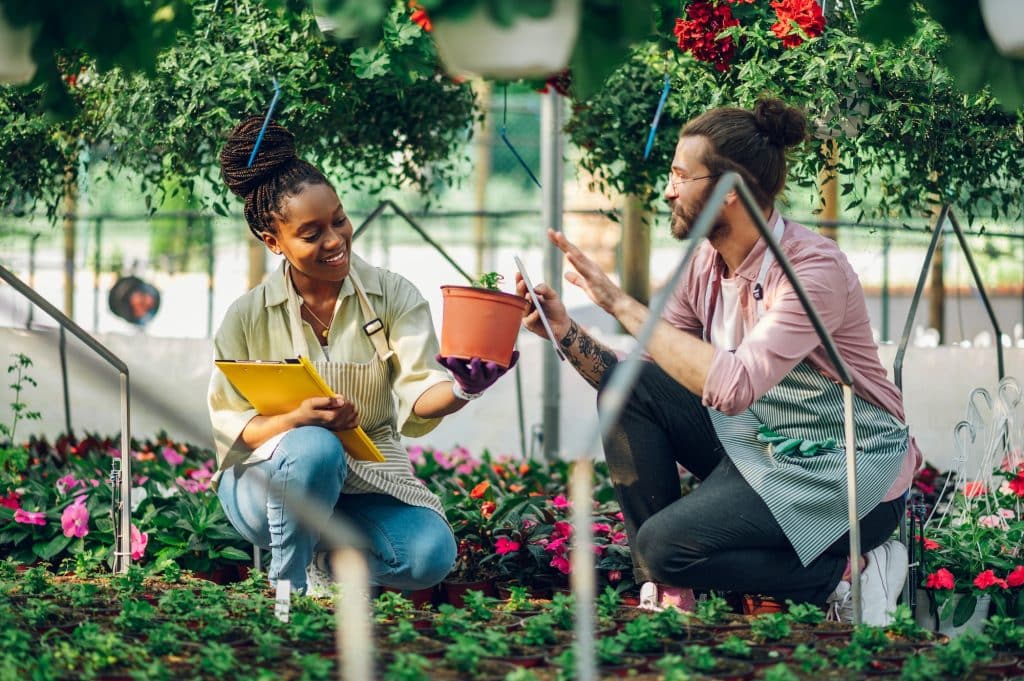
Finding the right place to buy resilient houseplants is an essential step in building an indoor garden. Local nurseries often provide a wide selection and knowledgeable staff who can guide you in choosing the right plants. Exploring farmers’ markets can lead to unique finds and the opportunity to support local growers. Many garden centers also offer a variety of hard-to-kill plants suitable for different living conditions.
Online retailers have expanded the options for plant enthusiasts, offering a vast selection of resilient houseplants delivered right to the door. Reading reviews and researching the seller’s reputation can ensure a positive buying experience. Whether buying in person or online, understanding the specific needs and preferences will guide you in selecting the perfect hard-to-kill houseplants for any space.
Enjoy The Art Of Growing With These Hard To Kill Houseplants!
The world of hard-to-kill houseplants offers endless possibilities for adding greenery and life to any living space. From assessing the living conditions to selecting the right plants and understanding their care requirements, this guide provides a comprehensive overview for anyone looking to embrace the joy of indoor gardening. Whether a seasoned gardener or a complete beginner, the resilience and beauty of these plants make them a rewarding choice. Embracing the world of resilient houseplants not only enhances the aesthetic appeal of a home but also contributes to a sense of well-being and connection with nature!