

A basement often serves as convenient storage spaces or laundry areas, but they can also be a breeding ground for hidden dangers. Many homeowners may not realize that beneath the surface of their homes, serious hazards may be lurking. These issues, ranging from health risks to structural dangers, can go unnoticed for years, putting both property and well-being at risk. Regularly inspecting and addressing these problems can prevent costly repairs and safeguard your family’s health. In this post, you will explore some of the most common but often hidden hazards in basements and what you can do to mitigate them.
Mold and Mildew Growth

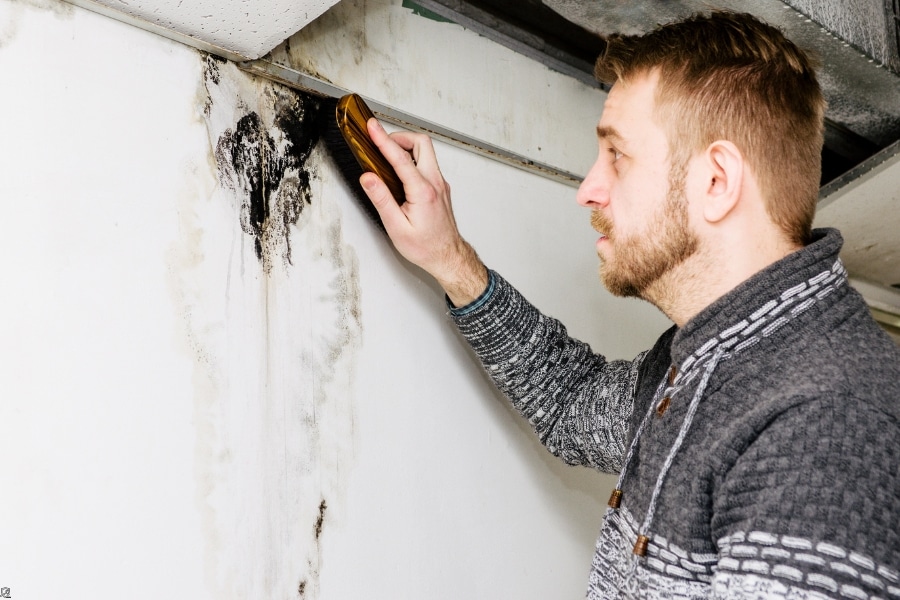
Basements are notorious for their damp conditions, making them the perfect environment for mold and mildew to thrive. Poor ventilation, moisture buildup from leaks, or condensation can contribute to the rapid growth of these fungi. Over time, mold and mildew can damage your walls, furniture, and stored belongings, leading to costly repairs. Even worse, prolonged exposure to mold can result in respiratory problems, especially for those with asthma or allergies.
One of the major challenges with mold and mildew is that they can go unnoticed for long periods, hidden behind walls or in corners. A musty odor is often the first sign, but by the time it’s detected, the problem could already be widespread. Inhaling mold spores over time can lead to chronic health issues, such as wheezing, coughing, and even more severe respiratory infections. To combat mold growth, it’s essential to reduce humidity levels and seal any cracks that may let moisture in.
Asbestos in Older Homes
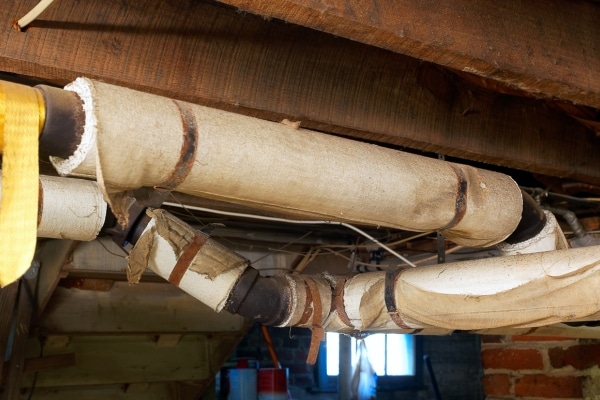
Many homes built before the 1980s may still contain asbestos, particularly in the basement. Asbestos was widely used in insulation, pipes, and even floor tiles because of its heat-resistant properties. While it may not pose an immediate threat, any disturbance—such as renovation work—can release dangerous fibers into the air. Prolonged exposure to asbestos is linked to serious illnesses, including lung cancer and mesothelioma.
The problem with asbestos is that it’s invisible to the naked eye, making it difficult to know if your basement is at risk. If you suspect asbestos is present, it’s crucial to avoid touching or moving any materials and to consult a professional for testing and removal. DIY removal is highly dangerous and often illegal in many areas due to the severe health risks. Professional remediation ensures that asbestos is safely removed, reducing the risk of airborne contamination.
Radon Gas Exposure
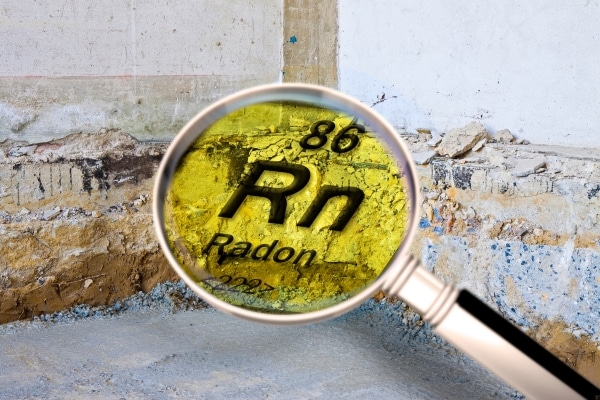
Radon is a colorless, odorless radioactive gas that can seep into basements through cracks in the foundation or gaps in flooring. Since it is invisible, many homeowners are unaware of its presence until testing reveals elevated levels. Prolonged radon exposure is the second leading cause of lung cancer in the United States, making it a serious health risk if left unaddressed. Basements are especially vulnerable to radon buildup due to their direct contact with soil, where radon originates.
Testing for radon is essential, and fortunately, radon test kits are widely available and easy to use. If high levels of radon are detected, there are several mitigation options, including sealing foundation cracks and installing ventilation systems to reduce indoor radon levels. It’s important not to delay action if radon is present, as prolonged exposure increases the risk of developing cancer. By staying vigilant and regularly testing for radon, homeowners can protect their families from this hidden basement hazard.