

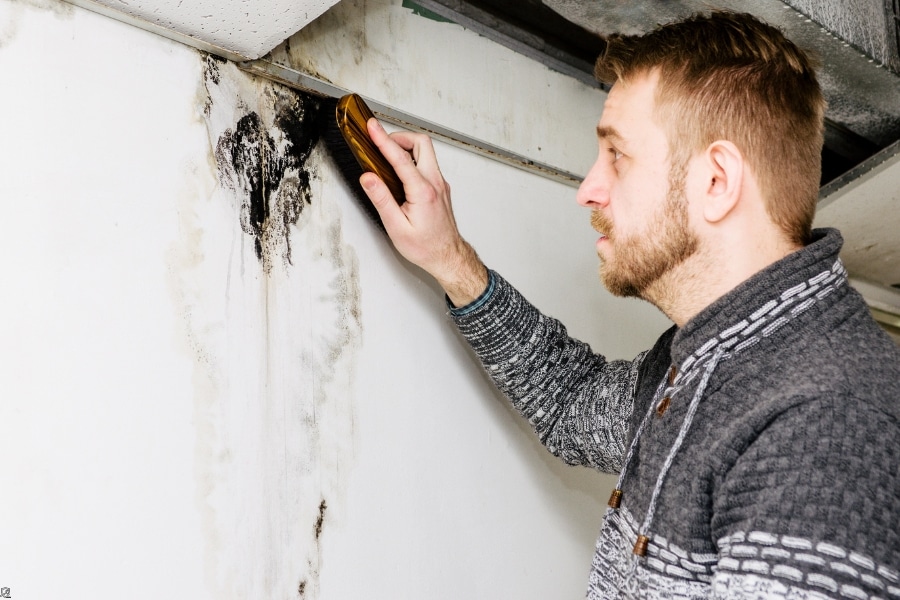
Pest Infestations

Basements often attract a variety of pests, including rodents, insects, and spiders, due to their cool, damp, and dark conditions. Rodents, in particular, can pose serious health risks by spreading diseases through their droppings, urine, and nesting materials. They can also cause damage to your home by chewing through electrical wires and insulation. Insects like termites and ants may also find their way into the basement, further compromising the structure of your home.
The challenge with pest infestations is that they often go unnoticed until the problem has escalated. Droppings, nests, or chewed materials are clear signs that pests have made your basement their home. Ignoring these signs can lead to serious issues, including contamination of food and other stored items. Regular inspection and preventative measures, such as sealing cracks and using traps, are essential to keeping pests out and maintaining a clean, safe environment in your basement.
Electrical Hazards
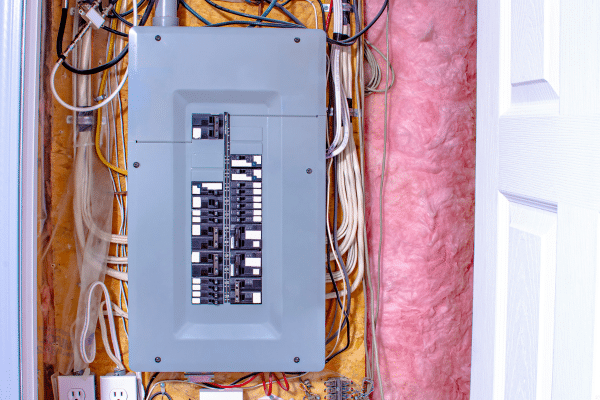
Many basements house electrical panels, wiring, and appliances, making them a potential hotspot for electrical hazards. Over time, wiring can deteriorate due to exposure to moisture or pests, increasing the risk of short circuits and electrical fires. Old or outdated electrical systems may not meet current safety standards, putting your entire home at risk. Additionally, improper use of extension cords or overloaded circuits in basements can lead to dangerous conditions.
Identifying electrical hazards early is crucial for preventing serious accidents. Signs of trouble include flickering lights, frequently tripped breakers, or unusual buzzing noises near outlets or wiring. If you notice any of these warning signs, it’s best to contact a licensed electrician to inspect the area and make necessary repairs. Regular maintenance and upgrades to your electrical system can prevent dangerous situations and keep your basement safe from potential fire risks.
Structural Weaknesses
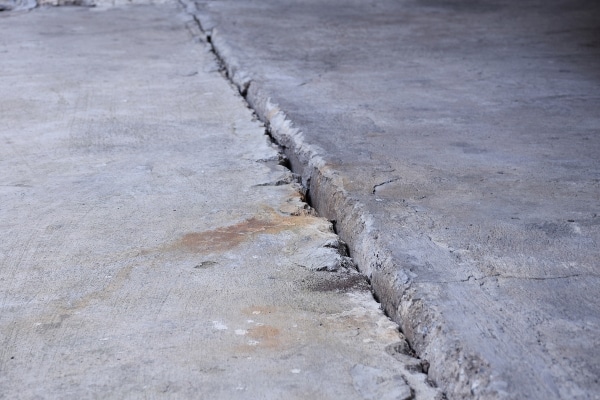
Basements are prone to structural issues, particularly in older homes or homes exposed to excessive moisture. Over time, water infiltration can weaken foundation walls, leading to cracks, bowing, or even leaks. Left unchecked, these structural weaknesses can result in significant damage, from flooding to foundation collapse, which can be costly and dangerous. Damp or sagging walls and floors are often the first signs of trouble, indicating that your basement’s structural integrity may be compromised.
To prevent structural issues from worsening, regular inspections of basement walls and floors are essential. Look for visible cracks or bulges and check for signs of water damage, such as discoloration or mold. If you notice any concerning signs, professional intervention is necessary to assess the damage and reinforce your foundation. Waterproofing measures, such as installing sump pumps or exterior drainage systems, can also help prevent further structural deterioration caused by moisture.
Carbon Monoxide Leaks
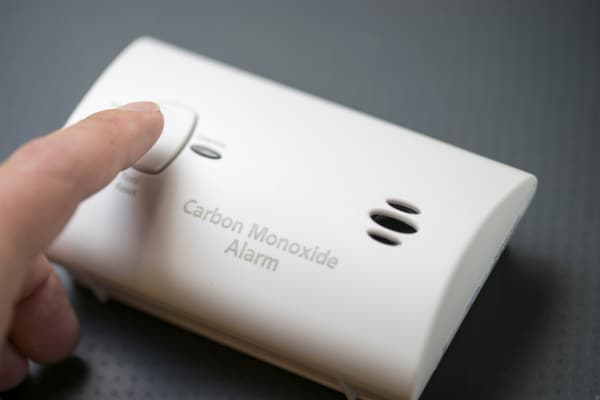
Basements often house fuel-burning appliances such as furnaces, water heaters, and boilers, which, if not properly vented, can leak carbon monoxide (CO). Carbon monoxide is a colorless, odorless gas that poses a serious health risk, as exposure can lead to headaches, dizziness, and even death. Since basements are enclosed spaces, any CO leaks can quickly build up, making it crucial to ensure appliances are properly vented and maintained.
To protect your home and family from carbon monoxide, it’s essential to install CO detectors near fuel-burning appliances, particularly in the basement. Regularly servicing appliances and ensuring proper ventilation can reduce the risk of leaks. Additionally, never use portable generators or grills inside the basement, as they can quickly fill the area with CO. By taking these precautions, you can prevent this invisible, deadly hazard from putting your household in danger.
Don’t Let Basement Hazards Go Unnoticed
Addressing hidden hazards in your basement is not just about protecting your home, but also ensuring the health and safety of your loved ones. By taking a proactive approach and regularly inspecting your basement for potential dangers, you can prevent costly repairs and serious health risks. Whether it’s mold, electrical issues, or carbon monoxide, being aware of these risks is the first step toward safeguarding your space. Don’t wait for problems to escalate—start taking preventive measures today to create a safer environment.