

Batteries
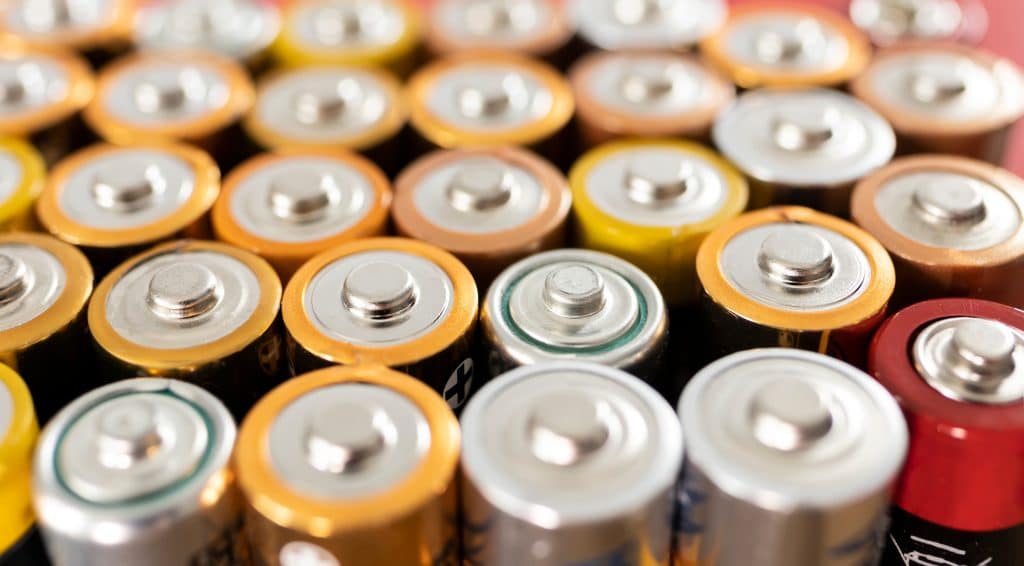
Most people don’t think much about the batteries that power their smoke alarms, remote controls, and other devices. However, batteries are a significant source of environmental pollution. The average American household uses about 30 batteries annually, most of which end up in landfills. Batteries contain many toxic chemicals, including lead and mercury, which can leach into the ground and contaminate groundwater. In addition, the incineration of batteries releases harmful pollutants into the air.
Safe disposal of batteries is essential to protecting the environment. Recycling your used batteries can help keep harmful toxins out of the environment. Many communities have battery recycling programs, and many retailers also offer recycling services.
Garden Chemicals

Garden chemicals can be extremely useful for keeping your plants healthy and pest-free. However, many of these products contain harmful ingredients that can be dangerous if not used correctly. That’s why it’s essential to know how to dispose of garden chemicals safely. The first step is to read the label carefully and follow the manufacturer’s instructions. When you’re finished using the product, dispose of it in a sealed container, such as a plastic jug or sealed bag.
You should also avoid disposing of garden chemicals in storm drains or on the ground, as this can contaminate groundwater and harm wildlife. Instead, take them to a local hazardous waste facility for safe disposal. These simple steps can help keep your family and your community safe from harmful garden chemicals.
Automotive Chemicals

A variety of household chemicals need to be disposed of safely. One type of household chemical is automotive chemicals. These include oil, antifreeze, brake fluid, and transmission fluid. Disposing of automotive chemicals properly is essential because they can be hazardous to the environment.
Many communities have special collection days for these types of chemicals. Another option is to take them to a local recycling center that accepts these materials. Some auto parts stores also offer recycling services for these types of fluids. You can help protect the environment from potential harm by disposing of automotive chemicals properly.
Paint or Wood Stain

Like most people, you probably have a few cans of paint or wood stain sitting in your basement or garage. And while it’s tempting to leave them there until you need them again, that’s not the best idea. Most household paints and stains contain harmful chemicals that can be released into the environment if not properly disposed of. That’s why it’s essential to know how to safely dispose of paint or wood stains.
You first need to check the labels on your cans of paint or wood stain. If they say “zero VOC” or “low VOC,” they don’t contain harmful chemicals and can be disposed of in your regular trash. However, if the labels say “high VOC” or don’t say anything about VOCs, the products contain harmful chemicals and need to be disposed of as hazardous waste.
If you’re not sure how to dispose of hazardous waste, your local hardware store or municipal waste management agency should be able to help you. They’ll usually have a special “hazardous waste” section where you can drop off your unwanted paint or wood stain. So next time you clean your basement or garage, dispose of your old paint and wood stain properly. It’s the best way to protect yourself and the environment.
Household Chemicals You Need to Dispose Of Safely
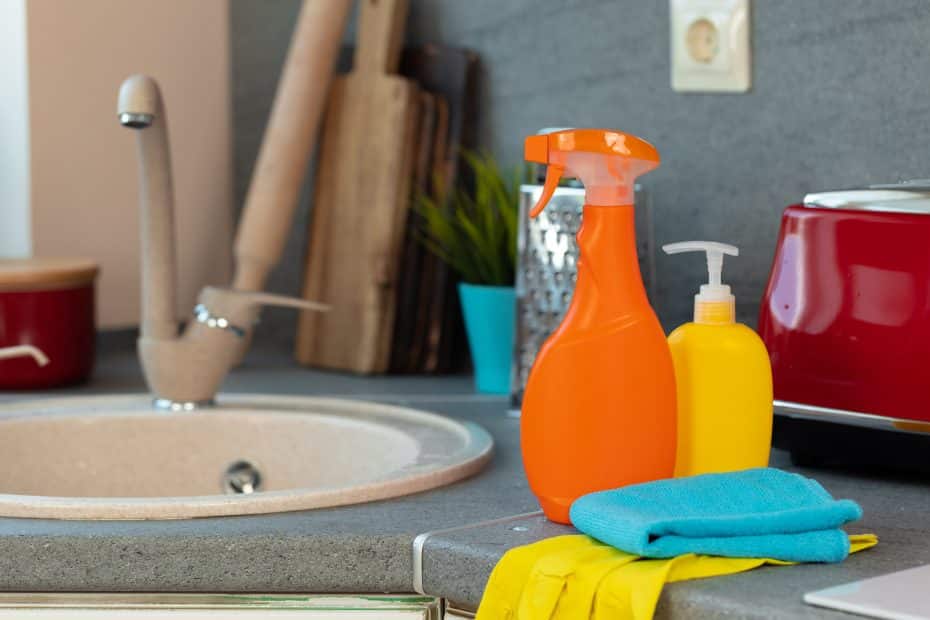
In all, many types of chemicals should not be disposed of in the regular trash. These include cleaning supplies, automotive fluids, garden chemicals, oil-based paints and stains, and batteries. These items can be recycled or disposed of at a local hazardous waste facility. These simple steps can help keep your family and your community safe from harmful chemicals.