

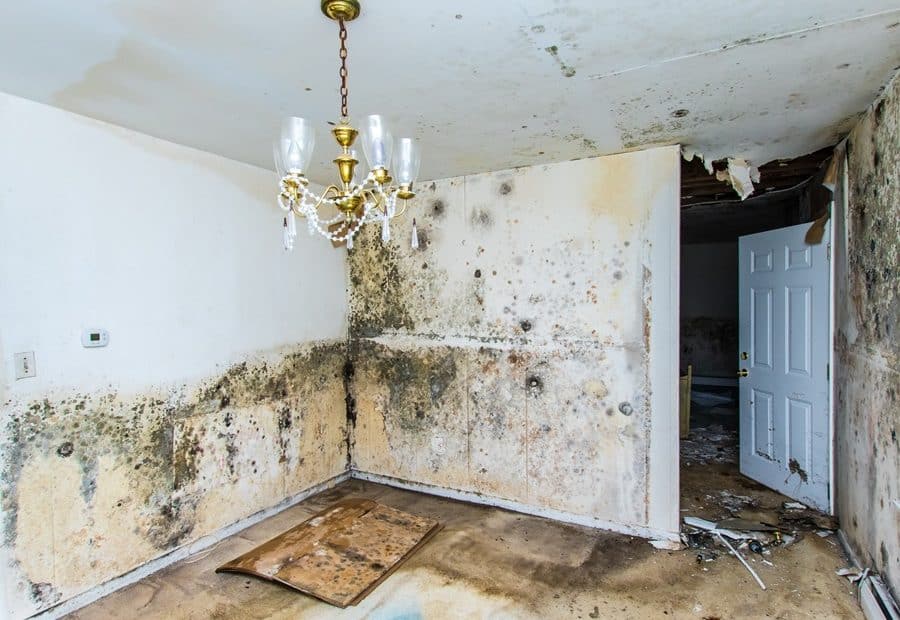
Mold in homes, a common yet often overlooked issue, poses significant health risks to residents. These risks range from minor allergic reactions to severe, long-term health complications. This article delves into the nature of mold, its health implications, and strategies for identification, prevention, and remediation. The presence of mold is not just a cosmetic issue but a serious health hazard, particularly affecting vulnerable groups such as children, the elderly, and those with pre-existing respiratory conditions. Understanding the risks associated with mold and how to effectively combat it is crucial for maintaining a healthy living environment.
Understanding Mold
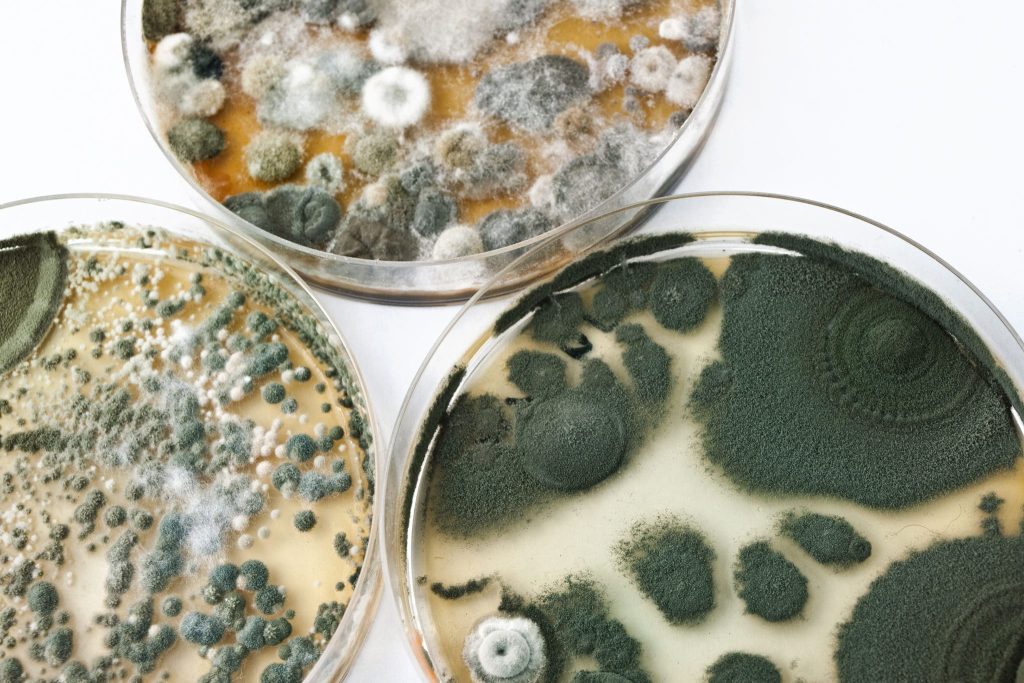
Mold, a fungus, thrives in moist environments and can be found in various places in the home, including bathrooms, kitchens, and basements. There are thousands of mold species, some more harmful than others. Mold reproduces through tiny spores that travel through the air, making it easy to inhale them unknowingly. These spores require growing moisture, often increasing in damp or water-damaged areas. Identifying mold involves looking for visible signs, such as black or green patches on walls or ceilings, and detecting a musty odor indicative of mold growth.
While mold is a natural part of the environment, its growth indoors should be prevented. Certain conditions, such as high humidity, poor ventilation, and water leaks, create ideal environments for mold proliferation. Homeowners should be vigilant about controlling indoor humidity levels and promptly addressing water damage to prevent mold growth. Regular cleaning and maintenance of areas prone to dampness, such as bathrooms and basements, are also crucial in keeping mold at bay.
Health Hazards of Mold Exposure

Mold exposure can lead to various health issues, particularly affecting the respiratory system. Short-term effects include allergic reactions like sneezing, runny nose, red eyes, and skin rash. People with asthma or other respiratory conditions may experience worsened symptoms when exposed to mold. Long-term mold exposure can lead to more serious health problems, such as chronic lung illnesses and, in rare cases, lung mold infections.
The health risks of mold exposure are not limited to respiratory problems. Some types of mold produce mycotoxins, toxic substances that can lead to neurological problems and, in extreme cases, death. Prolonged exposure to high levels of mycotoxins from mold can cause headaches, memory loss, and mood changes. This highlights the importance of promptly addressing mold problems in the home to protect the health of its occupants.
Mold and Mental Health

The impact of mold on mental health is an area of increasing concern. Research suggests that mold exposure can lead to psychological effects, including mood swings, depression, and anxiety. These symptoms can be particularly pronounced in individuals with a history of mental health issues. The presence of mold in the home creates a stressful living environment, exacerbating existing mental health conditions.
Mold’s impact on mental health is often indirect, stemming from physical health issues that mold exposure causes. For example, chronic respiratory problems can lead to increased stress and anxiety, which in turn can worsen mental health. The psychological burden of living in a mold-infested environment, coupled with concerns about health and the cost of remediation, can also contribute to mental distress. Addressing mold issues promptly improves physical health and contributes to mental well-being.