
Know When To Repot Your Plant

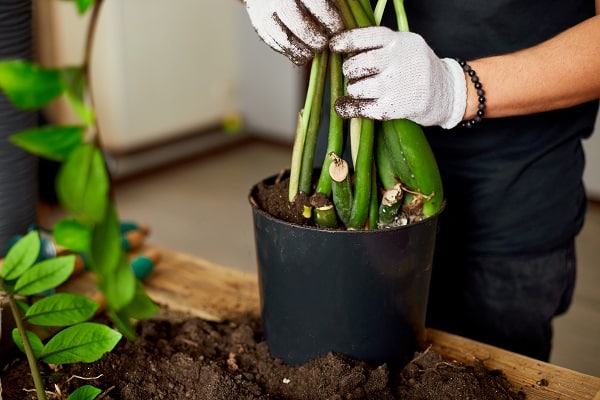
One of the most important things to know when caring for houseplants is when to repot them. Many people mistake waiting until the plant has outgrown its pot before repotting, but this can do more harm than good. When a plant is roots-bound, it can become stressed, leading to decreased growth and even death. As a general rule of thumb, it’s best to repot your plant every one to two years.
However, a few signs indicate that it’s time for a new home sooner. If you notice that your plant is starting to wilt, even when well-watered, it’s probably time for a larger pot. Another telltale sign is if you see roots from the drainage holes in the bottom of the pot. When in doubt, err on the side of repotting sooner rather than later – your plant will thank you for it!
Regularly Prune Your Plant

Houseplants are a great way to bring a touch of nature indoors, but they can also be high-maintenance. One important task that all plant owners must do regularly is pruning. Pruning helps to shape the plant, remove dead or dying leaves and stems, and encourage new growth. Start by closely examining your plant and assessing which areas need trimming.
Then, use sharp pruning shears to make clean cuts at a 45-degree angle. Be sure to dispose of the trimmings in the trash; leaves and stems that are left on the ground can attract pests. With a bit of care and attention, you can keep your houseplants looking their best with regular pruning.
Remove Any Dust On Your Plant

Anyone who owns a house plant knows that they can be a bit of a dust magnet. Over time, the leaves can become covered in a fine layer of dust, which can interfere with the plant’s ability to photosynthesize. In addition, dust can also block the pores on the leaves, leading to fungal growth or insect infestations. Luckily, it is relatively easy to remove dust from house plants.
A simple wipe-down with a damp cloth will usually do the trick. For more stubborn cases, you may need to give the plant a gentle shower. Just be sure to use lukewarm water and avoid getting any water on the leaves, as this can cause them to brown. With a little effort, you can keep your house plants looking clean and healthy.
Keep Your Plant Pest-Free
If you have grown anything, you know that pests can wreak havoc on even the healthiest of plants. Aphids, mealybugs, spider mites, and whiteflies are just a few of the many pests that can infest houseplants. Not only do these pests damage leaves and stunt growth, but they can also spread disease. Fortunately, there are a few simple steps that you can take to keep your houseplants pest-free.
First, make sure to inspect your plants regularly for signs of pests. If you see any insects or eggs, be sure to remove them promptly. Second, use natural pest control methods whenever possible, including things like spraying the plant with a mixture of water and soap. Finally, quarantine any new plants you bring into your home. Following these simple tips can keep your houseplants healthy and pest-free.
Take Steps To Maintain Your Houseplants!
Houseplants can bring a touch of nature into your home, but they require much care and attention. To keep your plants healthy and happy, follow all of the tips in this article. Although it may seem like a lot when you read it, it will quickly become second nature. Then, you can sit back and enjoy your beautiful plants! So before you give up on that fiddle leaf fig, give it everything it needs to thrive!
