

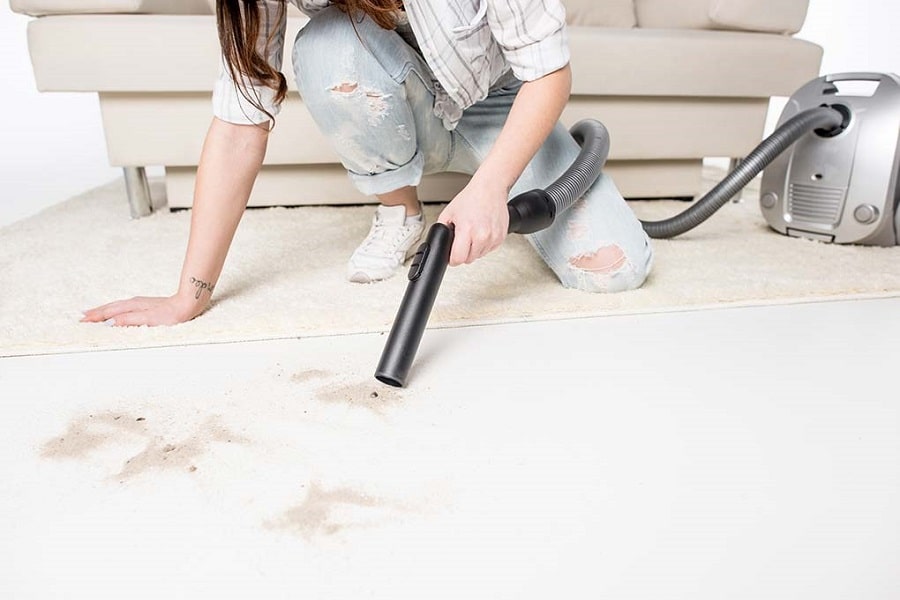
Carpet stains are an inevitable part of life, whether from spilled wine, dropped food, or muddy footprints. These stains ruin the room’s aesthetic and can be challenging to remove if not addressed promptly. The type of stain, the carpet material, and the cleaning method are all factors that contribute to effective stain removal. This comprehensive guide covers various types of stains and their effective removal techniques. From understanding the science behind stains to providing eco-friendly alternatives, this article offers a one-stop solution for all your carpet stain woes.
The Science Behind Carpet Stains

Types of Carpet Fibers
Carpets come in various fibers, each with characteristics that influence how stains adhere to them. For instance, wool carpets are more resilient but can be sensitive to certain chemicals. Synthetic fibers like nylon and polyester are generally more stain-resistant but may not offer the same luxurious feel as natural fibers. Understanding the type of carpet fiber can significantly impact the effectiveness of the stain removal process.
How Stains Bond with Fibers
Stains don’t merely sit on the carpet’s surface; they bond with the fibers at a molecular level. This bonding is what makes some stains incredibly stubborn to remove. The polarity of the stain and the carpet fiber can make this bond stronger or weaker. For example, oil-based stains adhere more strongly to synthetic fibers due to their similar chemical structure. Knowing the science behind stain bonding can help you choose the right cleaning agent and technique.
Tools and Supplies You’ll Need
Cleaning Agents
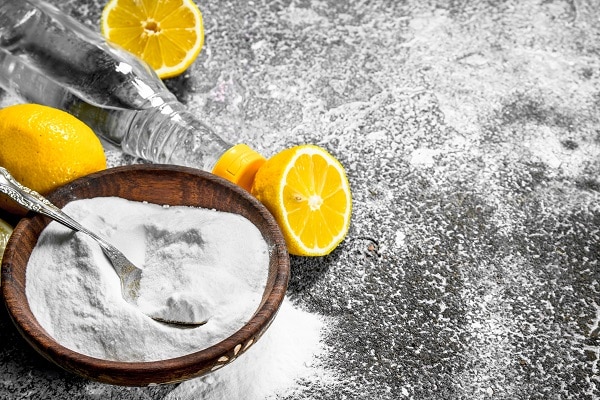
The market is flooded with various cleaning agents, each promising to remove stains effectively. However, not all cleaning agents are suitable for every stain or carpet fiber type. Common household items like vinegar, baking soda, and dish soap often remove stains. Specialized carpet cleaners are also available for more stubborn stains.
Tools
The right tools can make a significant difference in the stain removal process. Brushes with soft bristles, clean white towels, and a good-quality vacuum cleaner are essential for effective cleaning. A carpet cleaning machine that can deep-clean the fibers may be necessary for more severe stains. Always test the cleaning agent and tool on a small, inconspicuous carpet area before proceeding with the entire stain.
Pre-Treatment Steps

Assess the Stain
Before diving into the cleaning process, assessing the type of stain is crucial. Organic stains like food and beverages require different treatment than inorganic stains like ink and paint. The age of the stain also matters; fresh stains are generally easier to remove than old, set-in stains. Accurate identification will guide the choice of cleaning agents and methods, increasing the likelihood of successful stain removal.
Blotting Technique
One common mistake people make is immediately scrubbing the stain, which can spread it further and deepen its bond with the carpet fibers. Instead, use the blotting technique. Place a clean, white towel over the stain and apply gentle pressure to absorb as much of the stain as possible. This pre-treatment step is crucial for preventing the stain from setting in and making the subsequent cleaning more effective.
Removing Common Household Stains
Food and Beverage Stains
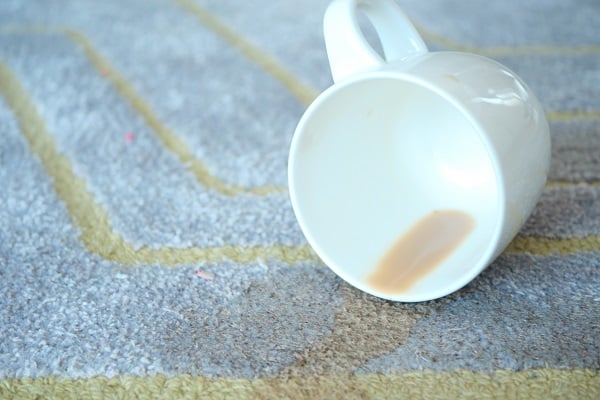
Food and beverage stains like coffee, wine, and ketchup are among the most common household stains. A mixture of dish soap and warm water often does the trick. Apply the mixture to the stain and gently blot with a towel. A specialized carpet cleaner designed for food and beverage stains may be necessary for stubborn stains. Always remember to rinse the area with water to remove any soap residue.
Ink and Paint Stains
Ink and paint stains can be particularly challenging to remove due to their composition. Alcohol-based solvents are generally effective for ink stains. Apply a small amount of the solvent to a cloth and gently dab the stain, avoiding any rubbing that can spread the stain. For paint, the removal technique depends on whether the paint is water-based or oil-based. Water-based paints can usually be treated with soapy water, while oil-based paints may require a specialized paint remover.