

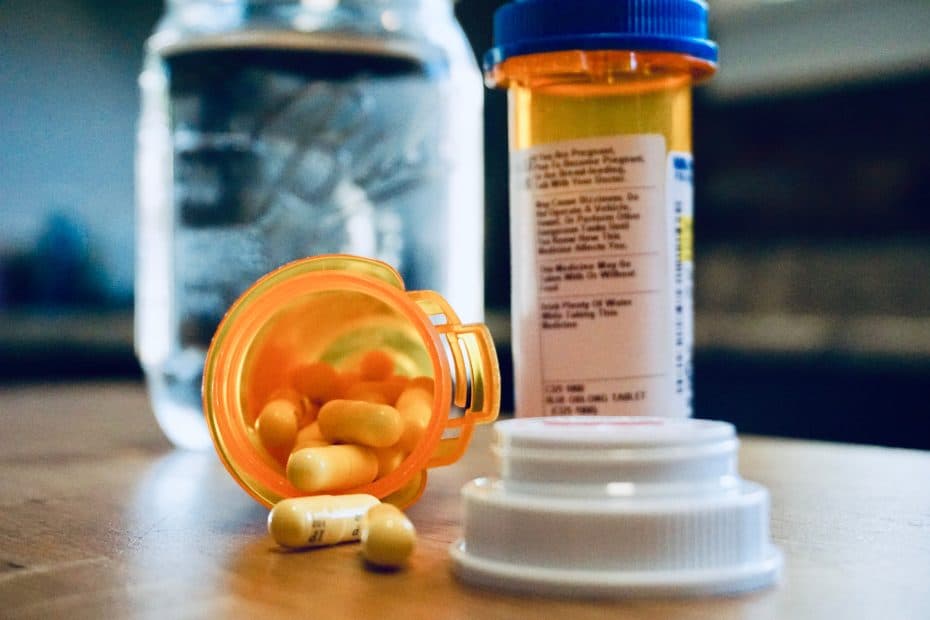
A staggering number of households have medicine cabinets filled with expired or unused medications, posing a silent but significant risk. From accidental poisonings to environmental hazards, the implications of improper medicine disposal are far-reaching. Yet, many people remain unaware of how to safely get rid of these pharmaceuticals. This post aims to be your comprehensive guide on the subject. It will walk you through the risks associated with improper disposal, the importance of reading medicine labels, and various methods to ensure you’re disposing of old medicine in a safe and responsible manner.
The Risks Of Improper Disposal
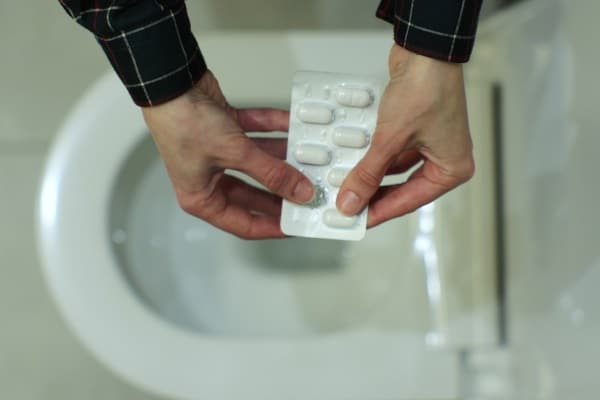
The environment bears the brunt of improperly disposed medications. When medications are flushed down the toilet or thrown into the trash, they can contaminate water supplies and soil. This not only affects aquatic life but also poses a risk of contaminating the human water supply. The ripple effects on the ecosystem can be devastating, leading to long-term consequences that are not fully understood yet.
But the risks don’t end with environmental concerns. Accidental ingestion of old or improperly stored medicine is a real threat, especially for households with children or pets. In some cases, even a single pill can lead to severe poisoning. Additionally, some medications can be abused, leading to a whole different set of health risks. Therefore, understanding the proper methods for disposing of old medicine is not just an environmental concern; it’s a public health necessity.
Reading Medicine Labels For Disposal Instructions

Before you decide to dispose of any medication, the first step should always be to read the label. Medicine labels often contain specific instructions for safe disposal. These guidelines are designed to minimize risks and are tailored to the specific type of medication. For instance, some medications may be safely flushed down the toilet, while others should never be disposed of in this manner.
However, labels can sometimes be confusing or lack specific disposal instructions. In such cases, it’s crucial to consult additional resources, such as pharmacists or medical professionals, for advice. Remember, the label is your first point of reference, but it’s not the only source of information. When in doubt, seek professional guidance to ensure you’re taking the safest course of action.
Utilizing Drug Take-Back Programs
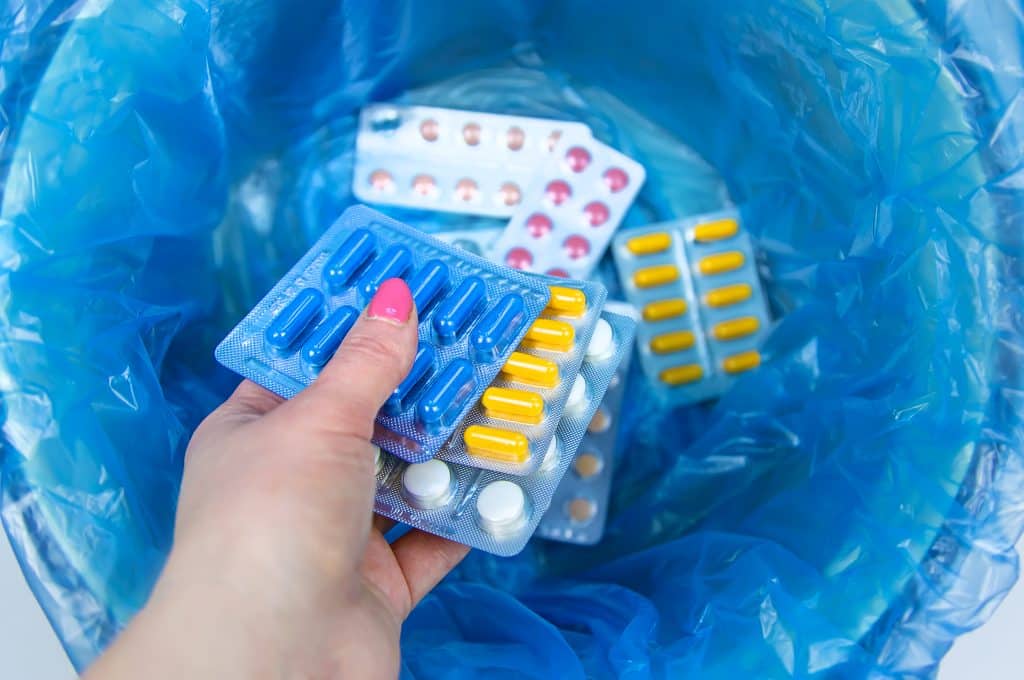
Drug take-back programs are often the safest and most environmentally friendly option for disposing of old medicine. These programs are specifically designed to collect and dispose of medications in a manner that poses the least risk to both public health and the environment. They are usually run by local governments or organizations and may be available at various locations, such as pharmacies or community centers.
While drug take-back programs are an excellent option, they may not always be convenient or accessible for everyone. Some people may find it challenging to locate a nearby program or may not be able to travel to the drop-off location. In such cases, it’s essential to explore other safe disposal methods. The key is to find a method that is both convenient and safe, ensuring that old medications are disposed of responsibly.