


Preparing the Soil

Preparing the soil is a crucial step to ensure your plants have a healthy and nutrient-rich environment to grow in. Start by clearing the area of any weeds, debris, and grass. This will give your plants a clean slate to thrive without competition for nutrients and water. Once the area is clear, it’s essential to loosen the soil by tilling and aerating it. This process helps improve soil structure, promotes better root growth, and enhances water drainage.
Adding organic matter, such as compost and mulch, is vital for enriching the soil. Compost adds essential nutrients and beneficial microorganisms that support plant health. Spread a layer of compost over the soil and mix it in thoroughly. Mulching helps retain moisture, suppress weeds, and regulate soil temperature. Choose natural mulches like straw, wood chips, or leaves, and apply them around your plants. By taking the time to prepare your soil properly, you’ll create a strong foundation for a thriving garden.
Planting Your Garden
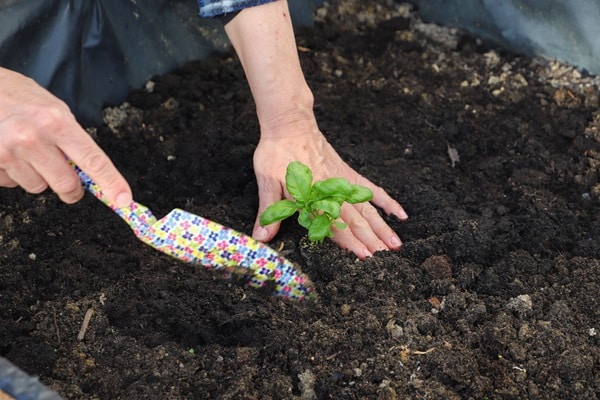
When it comes to planting your garden, you have the option of direct sowing seeds or transplanting seedlings. Direct sowing involves planting seeds directly into the ground, which is suitable for many vegetables and flowers. This method is cost-effective and allows you to grow a wide variety of plants. However, some plants, especially those with a long growing season, may benefit from starting indoors and transplanting seedlings outdoors once they are strong enough.
Proper planting techniques are essential for ensuring the health and productivity of your garden. Follow the recommended planting depth and spacing for each type of plant, as overcrowding can lead to competition for resources and increased susceptibility to diseases. Watering is another critical aspect of planting. Water your plants immediately after planting to help them establish their roots. Regular watering, especially during dry periods, is crucial for their growth. By mastering these planting techniques, you’ll set your garden up for success.
Caring for Your Garden

Caring for your garden involves regular maintenance to keep it healthy and productive. Consistent weeding is essential to prevent weeds from competing with your plants for nutrients and water. Water your garden regularly, ensuring that the soil remains consistently moist but not waterlogged. Fertilizing your plants periodically with organic or balanced fertilizers will provide them with the necessary nutrients to grow strong and produce abundant yields.
Pest and disease control is a critical aspect of garden care. Use natural methods such as companion planting, introducing beneficial insects, and applying organic pesticides to protect your plants. Regularly inspect your garden for signs of pests or diseases and take prompt action to address any issues. Supporting plant growth through staking, pruning, and thinning will also contribute to a healthy garden. Staking helps support taller plants, pruning promotes better airflow, and thinning reduces competition among plants. By diligently caring for your garden, you’ll enjoy a bountiful and beautiful harvest.
Harvesting and Enjoying Your Produce
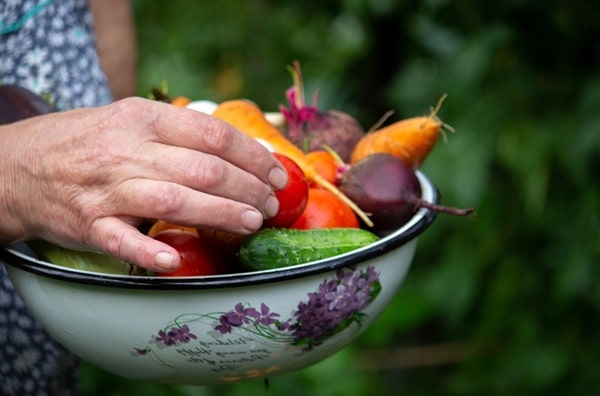
Harvesting is the most rewarding part of gardening, as you get to enjoy the fruits of your labor. Knowing when to harvest is crucial to getting the best flavor and quality from your plants. Vegetables like tomatoes, cucumbers, and peppers should be picked when they reach their full color and size. Leafy greens are best harvested when the leaves are young and tender. Regularly check your garden and harvest produce at its peak to ensure the best taste and nutritional value.
Harvesting techniques vary depending on the type of plant. Use clean, sharp tools to avoid damaging the plants. For example, use scissors or pruning shears to cut herbs and leafy greens, and gently twist or cut fruits and vegetables from the plant to avoid tearing. After harvesting, wash your produce thoroughly and store it properly to maintain freshness. Enjoy your harvest by incorporating it into your meals, sharing it with friends and family, or preserving it through canning or freezing. The satisfaction of eating homegrown produce is unmatched and is a delicious reward for your efforts.
Enjoy the Fruits of Your Labor
Starting your first garden is a journey filled with learning, growth, and satisfaction. By choosing the right location, deciding what to grow, gathering essential tools, preparing the soil, planting carefully, and maintaining your garden, you’ll create a thriving and productive space. Harvesting and enjoying your produce will bring you joy and a sense of accomplishment. Remember, gardening is a continuous process of experimentation and discovery, so embrace each step and learn from your experiences. With patience and dedication, you’ll reap the many benefits of your garden and enjoy a bountiful harvest year after year.