


Starting a garden can be one of the most rewarding activities you embark on, offering numerous benefits for your health, the environment, and your overall well-being. Gardening not only provides you with fresh produce and beautiful flowers but also serves as a therapeutic hobby that reduces stress and improves mental health. This guide will walk you through the essential steps to start your first garden, from choosing the right location to deciding what to grow and gathering the necessary tools and supplies. Whether you have a spacious backyard or a small balcony, these tips will help you cultivate a thriving garden and enjoy the fruits of your labor.
Choosing the Right Location
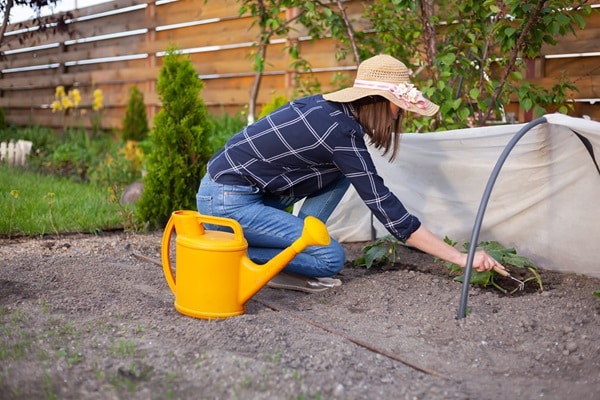
The success of your garden largely depends on selecting the ideal location. Start by assessing the amount of sunlight the area receives throughout the day. Most vegetables and flowers require full sun, which means at least six to eight hours of direct sunlight. However, some plants thrive in partial shade or full shade, so it’s essential to match your plants to the available light conditions. Observe the sunlight patterns in your chosen area to determine the best spot for your garden.
In addition to sunlight, consider the quality of the soil in your chosen location. Good soil is crucial for healthy plant growth, so you might need to test and amend the soil to ensure it has the right pH and nutrient levels. Accessibility is another important factor. Your garden should be close to a water source to make watering convenient and should be easy to access for regular maintenance. By carefully selecting the right location, you’ll set a strong foundation for a successful garden.
Deciding What to Grow
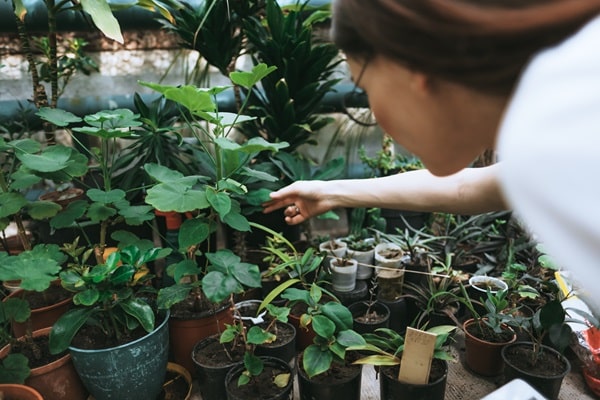
Deciding what to grow in your garden depends on several factors, including your climate, the season, and your personal preferences. Start by researching your local climate and understanding your USDA hardiness zone, which will help you choose plants that are well-suited to your region. Consider the length of your growing season and the average temperatures, as these will influence which plants will thrive. Additionally, think about the time of year and which crops are best planted in spring, summer, or fall.
Personal preference plays a significant role in deciding what to grow. Do you want to cultivate vegetables, herbs, flowers, or a combination of these? Think about what you enjoy eating or the types of flowers you love to see blooming. Space is another critical consideration. If you have limited space, you might opt for container gardening or raised beds, which can maximize your growing area. By considering these factors, you can make informed decisions about what to plant and ensure a bountiful and enjoyable garden.
Gathering Essential Tools and Supplies
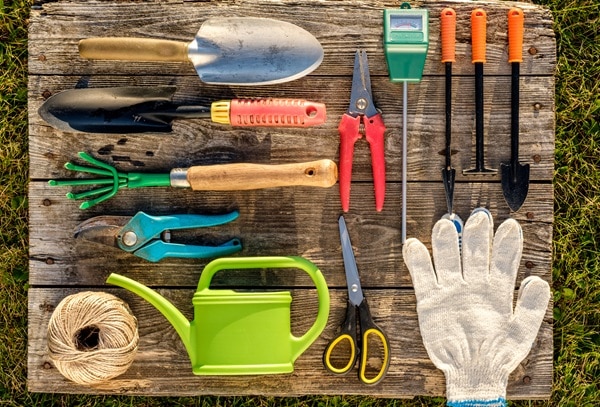
To start your garden, you’ll need a few essential tools and supplies. Basic gardening tools such as a spade, trowel, watering can, and gloves are necessary for planting and maintaining your garden. These tools will help you prepare the soil, plant seeds or seedlings, and keep your garden in good shape. Investing in quality tools will make your gardening tasks easier and more enjoyable.
In addition to tools, you’ll need soil amendments to create a healthy growing environment for your plants. Compost, mulch, and fertilizers can improve soil structure, retain moisture, and provide essential nutrients. When it comes to seeds and seedlings, choose reliable sources to ensure you get high-quality plants. Consider whether you want to grow heirloom varieties, which offer unique flavors and characteristics, or hybrid seeds, which are often more resistant to pests and diseases. With the right tools and supplies, you’ll be well-equipped to start your garden and nurture it to maturity.