


Maintaining a clean and functional fridge filter is paramount for both individual health and the longevity of the appliance. A well-functioning fridge filter not only ensures that you consume safe and clean water, but it also ensures the smooth operation of the refrigerator itself. Despite its importance, many homeowners overlook the state of their fridge filters, resulting in unforeseen issues down the line. This guide aims to shed light on how you can determine the right time to replace your fridge filter, ensuring optimal water quality and fridge performance.
Understanding Your Fridge Filter’s Role
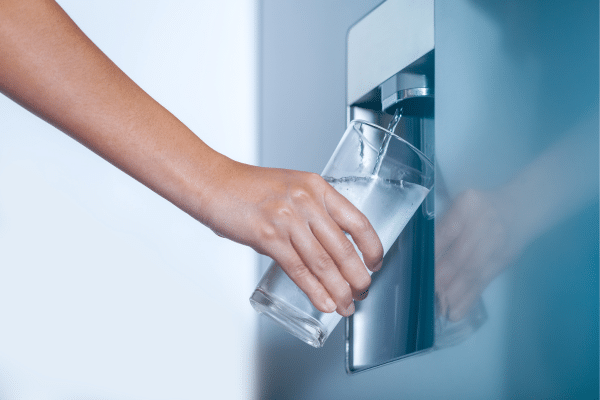
The primary function of a fridge filter is to purify the water dispensed from the refrigerator, ensuring it is free from contaminants. From chlorine to lead, a myriad of impurities could potentially affect the taste, smell, and safety of your water. Over time, these contaminants accumulate in the filter, reducing its efficiency and the quality of water it delivers. As these impurities build up, the filter can become clogged, causing undue stress on the refrigerator’s water dispensing system.
Besides water purification, the fridge filter plays a role in ice production. If the water feeding into the ice maker is impure, not only could the ice taste off, but contaminants could also damage the ice-making mechanism. An efficient filter ensures that the water used in ice production is of the highest quality, thereby prolonging the life of the appliance and providing clean ice for consumption.
Common Indicators Of A Failing Filter

One of the first signs that your fridge filter might be nearing the end of its usefulness is a change in the taste or odor of the water. When a filter becomes overly saturated with contaminants, it may not be able to effectively filter out impurities, resulting in a distinct taste or smell in the dispensed water. This could be a metallic taste, a chlorine-like smell, or any other unusual deviation from the water’s normal profile.
Another indicator to watch out for is a noticeable decrease in water flow or pressure when dispensing water. A clogged or old filter restricts the flow of water, causing the dispenser to release it more slowly than usual. This not only means that you’ll be waiting longer to fill your glass, but it’s also a sign that the filter is struggling to perform its primary function. Replacing the filter at this stage is essential to prevent further complications and maintain the quality of your water.
Physical Inspection Of The Filter
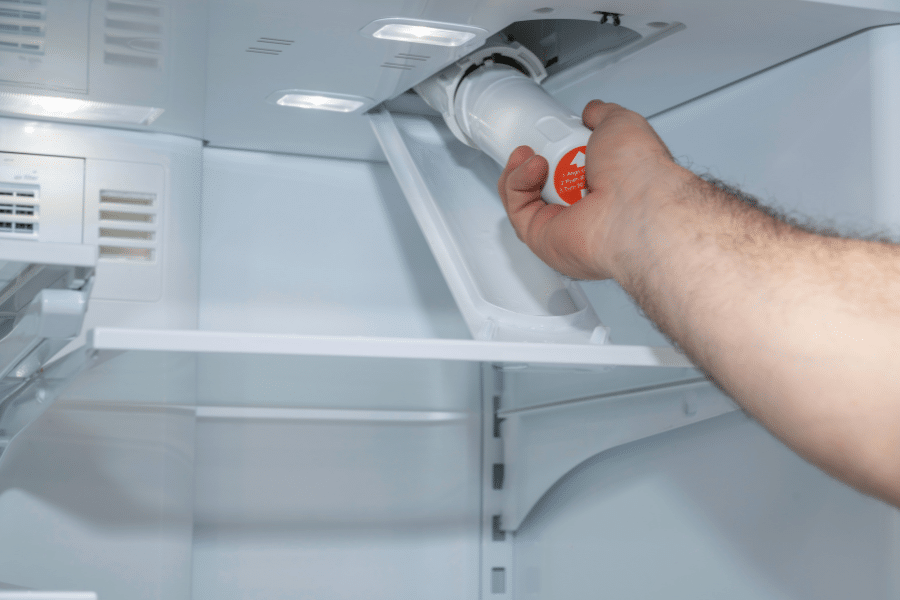
A direct visual examination can provide valuable insights into the condition of the fridge filter. Over time, as the filter traps various contaminants, it might begin to show signs of wear, damage, or discoloration. These visual cues are clear indicators that the filter may need replacement. In some models, the filter might even expand slightly due to the trapped particles, and while this isn’t always visible, a misfit or difficulty in reinstalling after a check could hint at such an expansion.
Different refrigerator models position their filters in various locations, but they’re typically found in an accessible spot for easy replacement. In some cases, a filter might appear clean to the naked eye, but microscopic contaminants could still be clogging its fine mesh. If it’s been a long duration since the last replacement and the water shows any of the previously discussed symptoms, it might be prudent to replace the filter even if it looks relatively clean.