

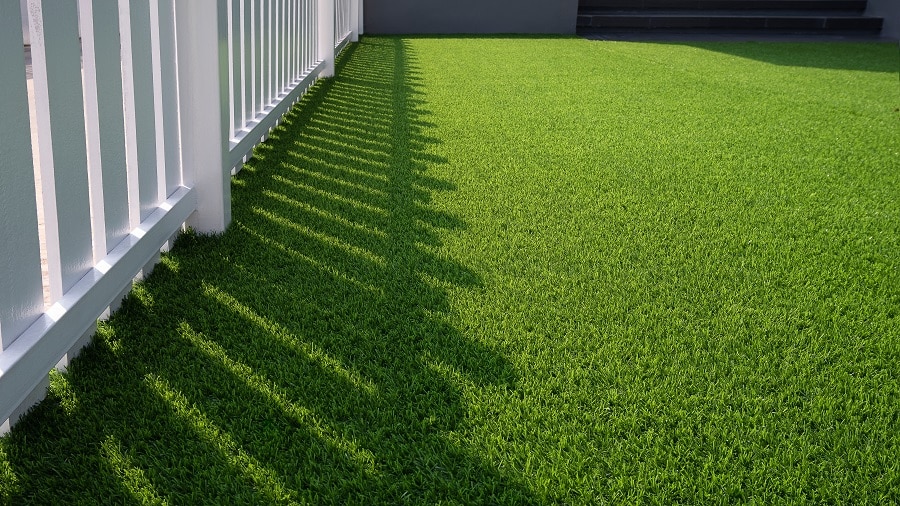
Aeration and Overseeding
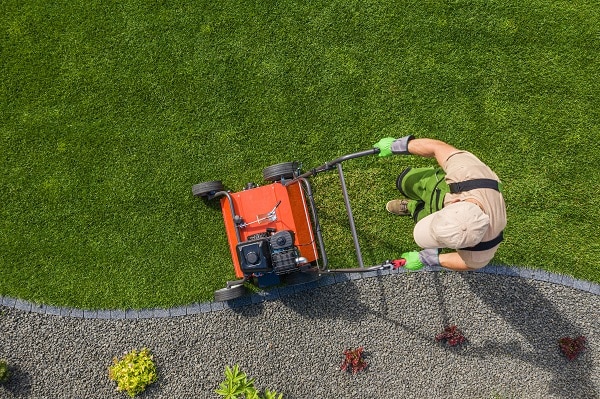
Aeration is a process that many might overlook, but its benefits are manifold. By perforating the soil with small holes, aeration allows water, air, and nutrients to penetrate deeper, reaching the grassroots. This strengthens the existing grass and provides an ideal environment for new seeds to take root.
Overseeding and planting new grass seeds over an existing lawn complements aeration perfectly. As the old grass goes dormant or dies off during winter, the new seeds sprout, ensuring a thick, green lawn comes spring. Combining aeration and overseeding is a powerful duo, rejuvenating old lawns and giving them a new lease on life.
Watering Before the Freeze
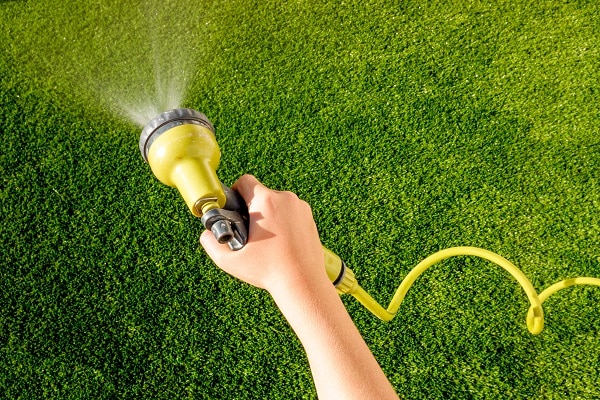
Water is life, even in the cold of winter. While grass might not need as much water during its dormant phase, it still requires moisture to survive. Deep watering before the ground freezes can give the lawn the hydration it needs to last through winter. This involves watering the lawn thoroughly, allowing the moisture to penetrate deep into the soil.
However, there’s a fine line between adequate watering and overwatering. Excess water can lead to mold, diseases, and even root rot. Moreover, if water pools on the surface and freezes, it can damage the grass blades. Ensuring proper drainage and being mindful of the amount of water applied can strike the right balance, preparing the lawn for winter without drowning it.
Protecting Your Lawn from Winter Elements

Winter brings many challenges, from freezing temperatures to snow and ice. While snow can act as an insulating blanket, protecting the grass from extreme cold, other elements can be harmful. Snow mold, a fungus that grows under snow, can damage the lawn if left unchecked.
Using covers or blankets can provide an added layer of protection, especially during heavy snowfalls or ice storms. These covers shield the grass from the direct impact of the elements, ensuring it remains healthy. Additionally, homeowners should be mindful of foot traffic on a frozen lawn. Walking on frozen grass can break the blades, leading to bald spots come spring.
Equipment Maintenance and Storage
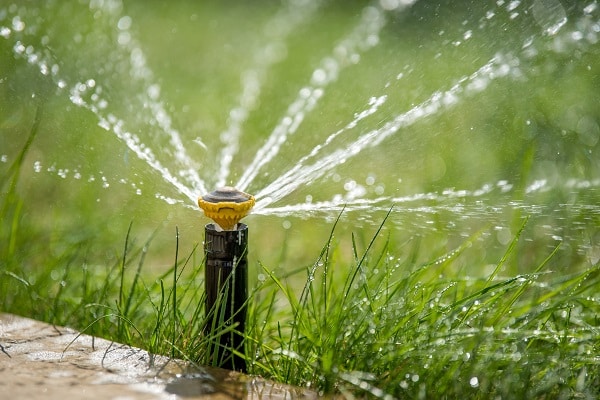
The tools and equipment used for lawn care need their winter care. Leaving them dirty or exposed to the elements can reduce their lifespan and effectiveness. Cleaning tools, sharpening blades, and storing them dry can ensure they’re ready for action when spring arrives.
Sprinkler systems, if not winterized, can be a source of major headaches. Water in the pipes can freeze, leading to cracks and costly repairs. Draining the system, blowing out any remaining water with compressed air, and insulating above-ground components are crucial in winterizing sprinklers. Proper equipment care saves money in the long run and ensures a smooth start to the next lawn care season.
The Bottom Line
Winterizing a lawn is a labor of love, a testament to homeowners’ care and attention to their little patch of green. While winter might seem like a time of rest, the preparations made during its onset determine the lawn’s health and beauty in the spring. From understanding the lawn’s needs to equipment care, every step is crucial. As the cold winds blow and snow blankets the ground, one can rest assured, knowing their lawn is well-prepared, waiting to burst forth in all its glory with the first signs of spring.