

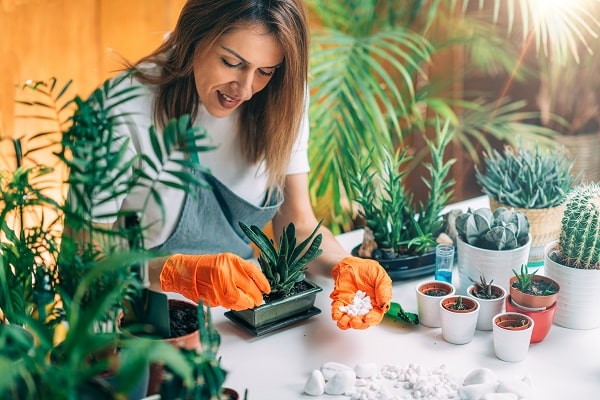
Indoor gardening is not just a hobby; it’s an art and a science combined. With urban spaces becoming increasingly limited, many have turned their gaze towards their interiors, hoping to bring a touch of nature inside. Whether you’re new to gardening or a seasoned green thumb looking to adapt your skills indoors, understanding the nuances of cultivating plants within a controlled environment is crucial. This guide provides insights and practical advice to help enthusiasts create their indoor green oasis, starting with selecting the right plants.
Selecting The Right Plants
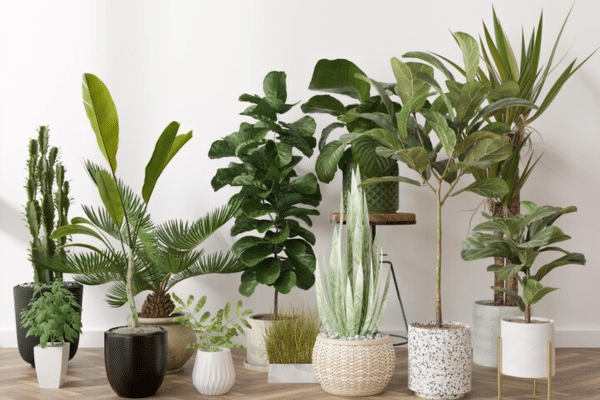
Choosing the right plant for an indoor space goes beyond just aesthetics. Light requirements, size, and maintenance levels are just a few factors that need consideration. Succulents, for instance, might thrive with minimal water and indirect light, making them ideal for those who might not have the time for frequent watering. On the other hand, ferns require consistent moisture and would be better suited for enthusiasts ready to offer more care.
Having a diverse array of plants can transform any indoor space into a lively, green sanctuary. Snake plants, pothos, and spider plants are excellent for beginners due to their adaptability and resilience. However, for those seeking a challenge or a unique touch, orchids or bonsai trees might be worth exploring. Remember, the key is to align the choice of plants with the conditions of the space and the caretaker’s ability to provide consistent care.
Optimizing Light Conditions

Light plays a fundamental role in the health and growth of plants. Indoor spaces, unlike open gardens, may not always have the luxury of consistent sunlight. It becomes essential to understand the different light needs of plants and position them accordingly. A plant placed in a dim corner when it requires bright light will soon exhibit signs of stress, such as yellowing leaves or stunted growth.
Artificial lighting solutions, like grow lights, can come to the rescue in spaces that lack sufficient natural sunlight. They’re designed to mimic the sun’s spectrum and can be a boon for plants that are light-hungry. Positioning plants near windows or using reflective surfaces to amplify available light are also strategies that can help ensure plants get their required dose of sunshine. With careful observation and a bit of innovation, even the most interior spaces can be transformed into thriving green areas.
Watering Wisely
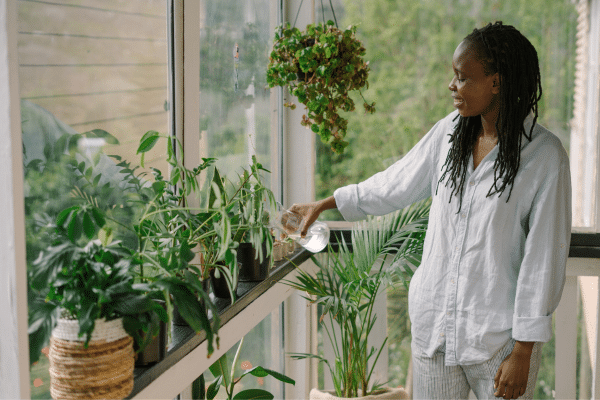
A common misconception among indoor gardeners is that plants constantly need water to thrive. However, overwatering can be more detrimental than underwatering. Roots submerged in excess water can rot, depriving the plant of essential nutrients. Moreover, stagnant water can become a breeding ground for pests and mold, compromising the health of the plant and its surroundings.
Determining when and how much to water depends largely on the plant species and the conditions of the environment. While a cactus might thrive on infrequent watering, a tropical plant like the peace lily might require more regular moisture. It’s advisable to research each plant’s specific needs and adjust watering schedules accordingly. A useful tip is to check the soil’s moisture; if the top inch feels dry, it might be time to give the plant a drink.