

Soil And Potting

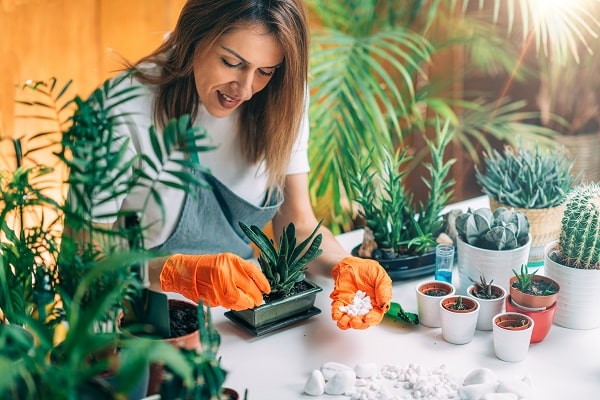
Just as in nature, the soil is the foundation for any plant. It provides the essential nutrients that plants absorb and plays a vital role in their overall health. Indoor plants benefit from potting mixes that cater to their specific needs. For example, succulents and cacti thrive in well-draining soil, while ferns prefer a more moisture-retentive mix.
Repotting is another aspect of indoor gardening that can’t be overlooked. As plants grow, they may become root-bound, causing their growth to stall. In such cases, moving the plant to a larger pot with fresh soil can stimulate growth and improve health. Additionally, the act of repotting provides an opportunity to inspect the roots for signs of rot or disease, ensuring early intervention if issues arise.
Temperature And Humidity Management
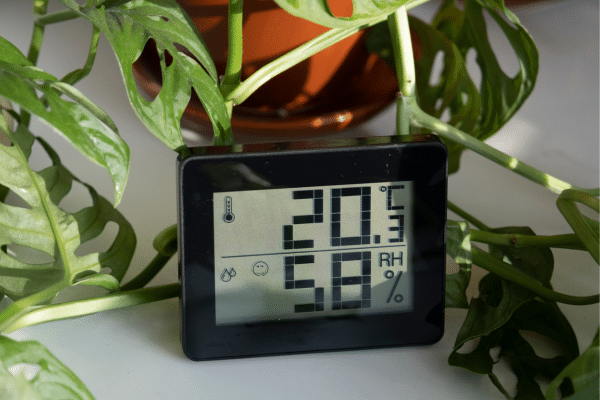
Most indoor plants come from tropical climates, meaning they flourish in warm and humid conditions. It’s essential to understand and replicate these conditions to ensure optimal growth. A sudden drop in temperature or a drastic change in humidity can stress plants, leading to a decline in their health and vigor.
To maintain these conditions, it might be necessary to invest in equipment such as humidifiers or heaters, especially during winter months. Placing a tray of water near plants or regularly misting them can also help in increasing humidity levels. On the other hand, ensuring proper ventilation can prevent excess humidity, which might lead to mold growth. It’s all about striking the right balance to recreate the natural environment of the plants.
Fertilizing Fundamentals
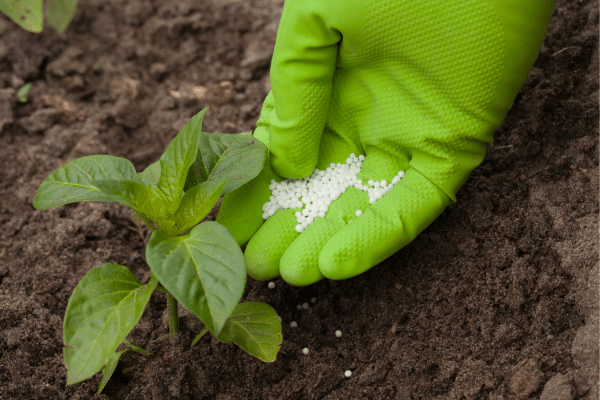
Plants, just like any living organism, require nutrients to grow and flourish. While soil provides many essential elements, over time and with growth, these nutrients can get depleted. Fertilizing becomes crucial to replenish the soil and provide plants with the necessary boost. Depending on the plant type and its stage of growth, the choice of fertilizer and its application rate will vary.
It’s also worth noting that signs of nutrient deficiency might manifest in different ways. Yellowing leaves, slow growth, or weak stems can be indicators that a plant needs more than what the soil is currently offering. However, caution is necessary because over-fertilizing can harm plants, burning their roots and causing more harm than good. A balanced approach, tailored to each plant’s needs, will yield the best results.
Pest Prevention And Management

The confines of indoor spaces can sometimes make plants more susceptible to pests. Aphids, spider mites, and mealybugs are just a few of the common culprits that can wreak havoc on indoor gardens. Regular inspection of plants, including the undersides of leaves and the soil, can help in early detection and prevention of a full-blown infestation.
While chemical pesticides are available, there’s a growing preference for organic and natural solutions, especially for those growing edible plants indoors. Neem oil, insecticidal soaps, and diatomaceous earth are some natural remedies that have proven effective against a range of pests. Introducing beneficial insects, like ladybugs, can also act as a biological control measure, helping maintain a healthy ecosystem within the garden.
The Bottom Line
Indoor gardening, while offering a sanctuary of green within urban spaces, comes with its unique set of challenges. From selecting the right plants and ensuring they get the optimal amount of light, to managing pests and providing the necessary nutrients, it’s a journey that requires patience, knowledge, and a touch of creativity. But the rewards – a thriving indoor oasis, cleaner air, and a sense of well-being – make every effort worthwhile. For enthusiasts and novices alike, understanding the intricacies of indoor plant care can pave the way to a fulfilling and verdant gardening experience.