


A child’s playroom is often seen as a place of joy, creativity, and exploration, but what many parents may not realize is that it can also harbor invisible dangers. From toxic chemicals in everyday items to hidden hazards that go unnoticed, the playroom may pose risks to a child’s health and safety. These hazards, though not always visible, can have long-term impacts on a child’s well-being. Understanding and addressing these dangers is crucial to creating a safer play environment. This article will explore some of the most common invisible risks in playrooms and provide practical solutions for concerned parents.
Toxic Chemicals in Toys and Furniture
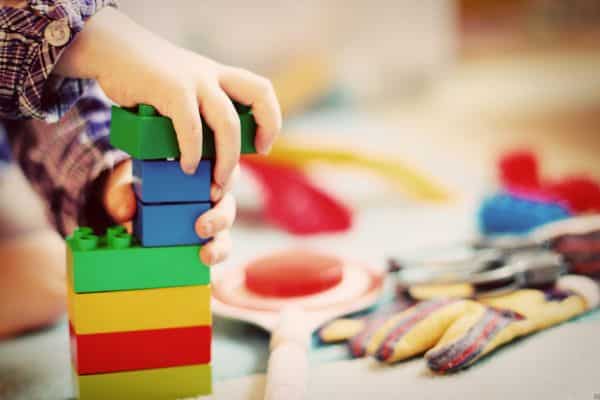
Many toys and pieces of furniture in playrooms contain harmful chemicals that can have serious health implications for children. Phthalates and BPA, commonly found in plastic toys, are known to disrupt hormones and have been linked to developmental issues. Additionally, flame retardants used in foam furniture or cushions can release toxins over time, posing further risks. These chemicals often go unnoticed, yet they may significantly affect a child’s growth and health when exposed over long periods.
To minimize exposure to these toxic substances, parents can opt for safer, non-toxic alternatives when purchasing toys and furniture. Wooden toys, for example, offer a natural and safer option compared to plastics. Parents should also look for labels such as “BPA-free” or “phthalate-free” and choose products made from organic cotton or other eco-friendly materials. Taking small steps to reduce chemical exposure can make a significant difference in the overall safety of a child’s play environment.
Hidden Choking Hazards
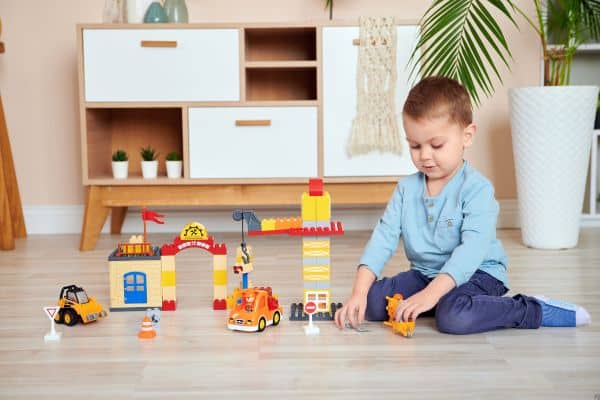
Choking hazards are one of the most dangerous but commonly overlooked risks in a child’s playroom. Even toys that are designed for young children can contain small parts that may detach, creating a serious choking risk. Items such as loose buttons on stuffed animals, small puzzle pieces, or broken toy components can quickly turn into dangerous objects. Despite the best intentions of toy manufacturers, these hazards often escape the attention of parents until it’s too late.
Ensuring the safety of toys for children under the age of 3 involves constant vigilance and regular inspection. Parents should routinely check toys for any loose or broken parts and follow the recommended age guidelines. Additionally, toys should be stored properly to avoid mix-ups with older children’s items that may contain smaller pieces. By taking these precautions, parents can reduce the likelihood of choking incidents and provide a safer play space for their children.
Poor Air Quality from Dust and Mold

Poor air quality is another invisible danger that can compromise a child’s health, especially in poorly ventilated playrooms. Dust can accumulate on surfaces, toys, and carpets, contributing to respiratory problems and allergies in young children. Additionally, dampness or improper ventilation can lead to mold growth, which poses even more severe health risks, such as asthma or respiratory infections. Although these dangers are not immediately visible, they can have lasting effects on a child’s well-being.
To combat poor air quality, parents should prioritize regular cleaning routines, including vacuuming with HEPA filters to reduce dust and allergens. Non-toxic cleaning products are also recommended to avoid introducing more harmful chemicals into the environment. Ensuring proper ventilation in the room, using dehumidifiers, and checking for signs of mold can help create a healthier space. By maintaining a clean and well-ventilated playroom, parents can significantly improve the air quality and protect their children from hidden respiratory threats.