

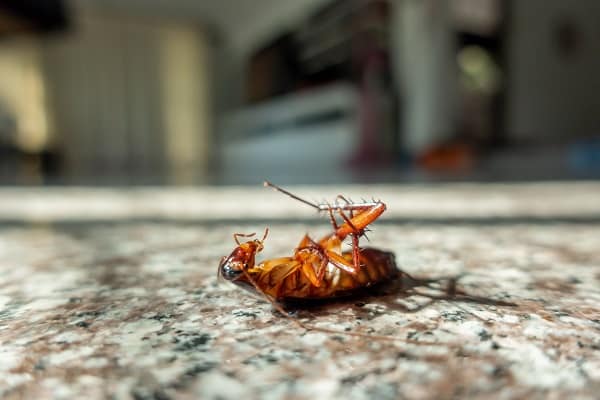
In today’s eco-conscious world, the use of chemical pesticides in homes and gardens has become a concerning issue. Not only do these chemicals pose potential health risks to humans and pets, but they also harm the environment by contaminating soil, air, and water. However, nature offers an array of solutions to deal with pesky bugs. This article delves into some effective, natural methods to keep unwanted insects at bay, ensuring safety and ecological balance in our living spaces.
Coffee Grounds

A morning ritual for many, coffee also doubles as an effective, natural bug repellent. Used coffee grounds, especially when moist, prove particularly deterring for pests such as ants, snails, and slugs. Not only does it repel them, but it also hinders their movement, making it difficult for them to cross the barrier set by the grounds.
Gardeners and homeowners can scatter these grounds in areas prone to pests, especially around the base of plants or near entryways. Besides deterring bugs, coffee grounds also enrich the soil, making it a double win for those looking to maintain a vibrant garden. Incorporating these grounds into potting soil or directly into garden beds can also help reduce the presence of pests while nourishing plants.
Diatomaceous Earth
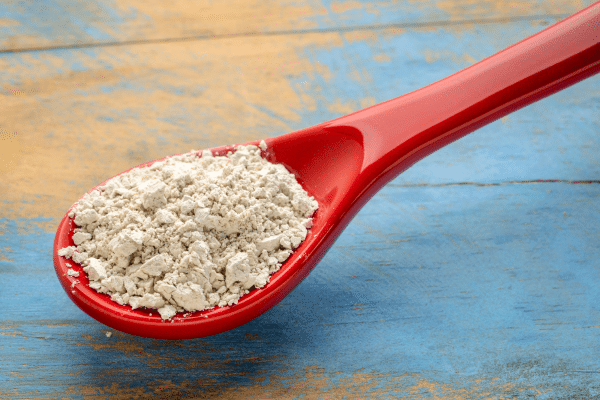
One might not immediately associate diatomaceous earth with bug control, but this naturally occurring sedimentary rock is a powerhouse in combatting a variety of pests. Comprising fossilized remains of tiny aquatic organisms called diatoms, its microscopic edges are sharp, which allows it to puncture and dehydrate insects like bedbugs, cockroaches, and fleas.
For those encountering bug infestations, spreading a thin layer of diatomaceous earth in problem areas can work wonders. However, it’s essential to ensure it remains dry, as moisture reduces its effectiveness. While it’s a natural solution, care should be taken to prevent inhalation when applying, and it’s advisable to choose food-grade diatomaceous earth for areas where pets and children might come into contact.
Essential Oils

Essential oils, while celebrated for their aromatic and therapeutic properties, can also play a pivotal role in bug deterrence. Specific oils, such as eucalyptus, peppermint, and lavender, have proven to be especially formidable adversaries for a range of pests. The strong aroma from these oils overwhelms the sensory organs of insects, deterring them from invading spaces infused with these scents.
For effective bug control, one might consider making a natural spray by diluting a few drops of these oils in water. Spritzing this mixture around doorways, windows, and other potential entry points can help in keeping bugs out. Additionally, placing cotton balls soaked in these oils or using diffusers can extend the protective envelope inside homes, ensuring a pleasant aroma while warding off pests.
Apple Cider Vinegar

Apple cider vinegar’s pungent aroma is more than just a culinary delight; it’s a bane for certain bugs. The strong scent attracts pests like fruit flies and gnats, making it an excellent tool for trapping these pesky invaders. Once attracted to the aroma, these bugs find it difficult to escape, leading to their eventual demise.
Creating a DIY trap is quite simple. Fill a bowl with apple cider vinegar, adding a few drops of dish soap to break the surface tension. Place it in areas with high bug activity. The vinegar lures the bugs, while the soapy solution traps them. With this method, one can effectively reduce the populations of these small, yet troublesome pests.