


Lilacs’ Longevity And Resilience

Lilacs are known for their longevity and resilience. It’s not uncommon to see lilac bushes that have survived for decades, sometimes even outliving the people who planted them. This long lifespan makes lilacs an excellent choice for those looking to add long-term features to their landscapes.
Despite their delicate appearance, lilacs are surprisingly resilient. They can withstand a variety of climatic conditions, from intense cold to scorching heat. This resilience ensures they’ll continue to grace your garden with their stunning blooms, year after year.
The Historical And Cultural Significance Of Lilacs

Beyond their physical attributes and environmental benefits, lilacs bear a rich history and cultural significance. They have been celebrated in literature, art, and mythology, and each color of lilac holds a different symbolic meaning. For example, white lilacs symbolize innocence and purity, while purple lilacs often denote first love.
In Greek mythology, the lilac was part of a tragic love story involving Pan, the god of forests and fields, and a nymph named Syringa. This tale gives lilacs a romantic air, and having them in your yard might just add an element of timeless story and depth to your own personal space.
Using Lilacs For Culinary And Herbal Uses
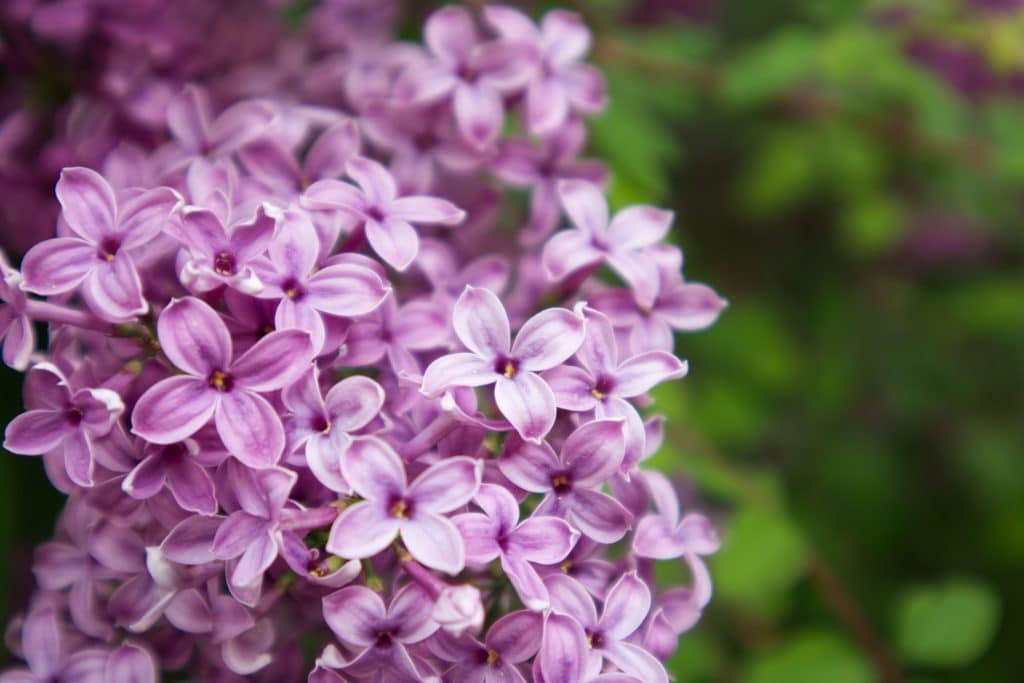
What many don’t know is that the lovely lilac can also play a role in the culinary world. The flowers are not just beautiful and fragrant; they are also edible. You can use lilac blooms to create a stunning decorative effect on salads or desserts.
Furthermore, lilacs have been used in herbal medicine for centuries. Although not as commonly used today, there are those who value lilac for its fever-reducing and wound-healing properties. Therefore, by planting lilacs, you are not just gaining a garden aesthetic; you are also growing a potential natural remedy right in your backyard.
How To Plant And Care For Your Lilac Bushes
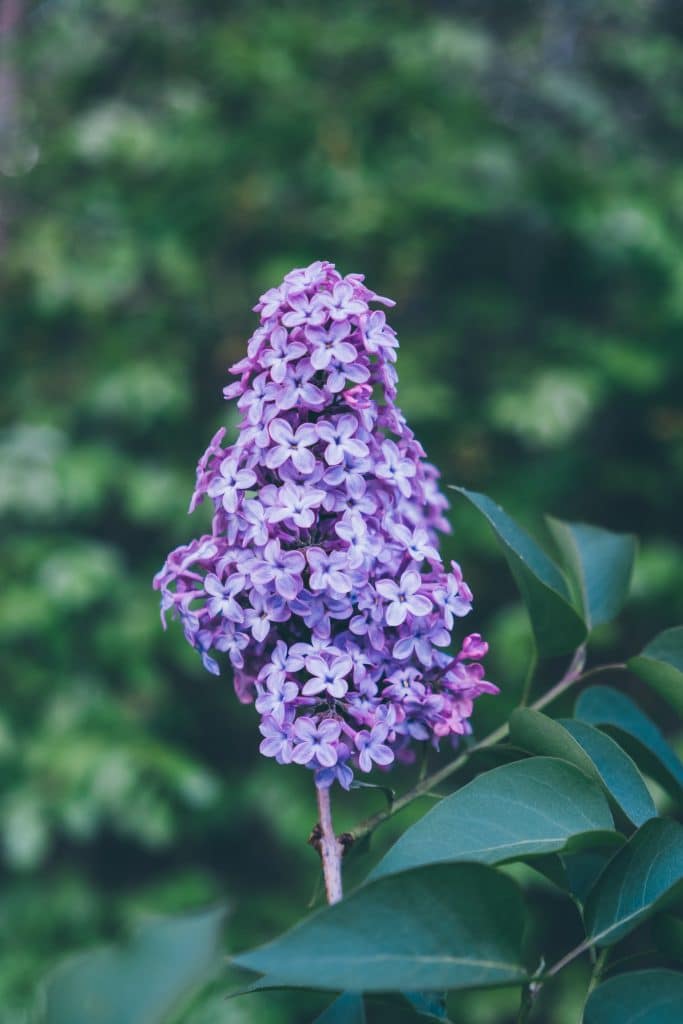
Planting lilac bushes in your yard is a straightforward process. They prefer well-drained soil and a sunny location. Dig a hole twice as wide as the root ball of your lilac bush, place the bush in the hole, and backfill it with soil, taking care not to bury the crown of the plant.
Once planted, lilac bushes require minimal care. Water them regularly, especially during dry periods, but be careful not to overwater. Prune them annually to encourage better blooming and to maintain their shape.
The Bottom Line
With so many benefits to offer, from their enchanting beauty and aroma to their environmental benefits and historical significance, it’s no wonder more homeowners are choosing to plant lilac bushes in their yards. Not only are they easy to care for and resilient, but they also provide a habitat for wildlife, enhance privacy, and can even be used in cooking and herbal remedies.
Whether you’re an experienced gardener or just starting out, planting a lilac bush in your yard is a decision you won’t regret. So why not take the plunge? Get your hands on a lilac bush today and let your yard be graced by its timeless beauty and charm.