

Companion planting isn’t just an old gardener’s tale; it’s a tried-and-true method capitalizing on the symbiotic relationships between certain plant species. The idea is that some plants grow better together than they do apart. The benefits of effective companion planting range from improved yields and enhanced flavor to pest control and soil optimization. This comprehensive guide delves into the ins and outs of which plants should be grown side by side for the best results. Whether for a vegetable garden, herb garden, or an ornamental one, here is a roadmap to successful companion planting.
The Science Behind Companion Planting
The Symbiotic Relationship
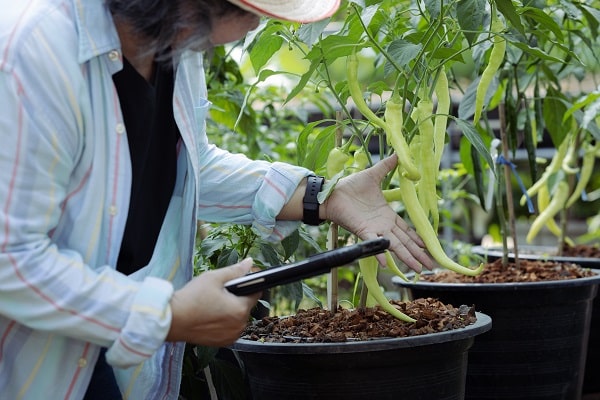
Symbiosis in the natural world is a relationship between two entities mutually benefiting each other. Similarly, in companion planting, two or more plant species are grown together in a way that each benefit from the other’s presence. For example, one plant might repel a pest that commonly attacks its partner. In return, the partner might offer shade or a structural component, like a trellis, for the first plant.
Nutrient Sharing
Plant roots reach deep into the earth to acquire nutrients, but not all plants require the same nutrients or quantities. By pairing plants with complementary nutrient needs, gardeners can maximize the utility of the soil. For instance, legumes fix nitrogen into the soil, benefiting plants that consume high nitrogen levels but can’t produce it themselves.
Plant Pairings for Vegetable Gardens
Tomato and Basil
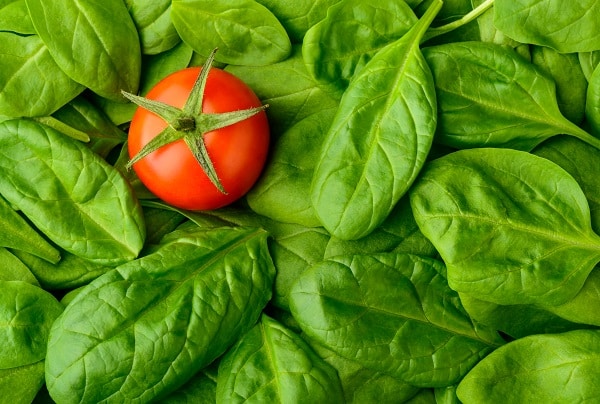
Tomatoes and basil are a classic pairing in both the kitchen and the garden. Not only do these two plants share similar soil and sun requirements, but basil also helps to deter pests like whiteflies that are attracted to tomato plants. Meanwhile, tomatoes offer moderate shade basil, creating a perfect microclimate for both.
Carrots and Onions
Growing carrots and onions can be a great strategy to ward off pests. Onions emit a strong smell that can deter carrot root flies. Likewise, the scent of carrots can repel onion flies. It’s a mutual relationship where each plant protects the other from its pests, proving that companionship extends to the plant world.
Plant Pairings for Herb Gardens
Rosemary and Sage
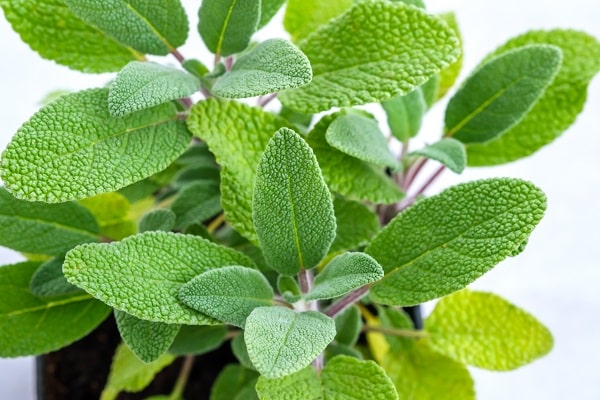
Rosemary and sage thrive in similar conditions—well-drained soil and full sun. In addition, both plants act as natural repellents for cabbage flies and other pests. Furthermore, their proximity allows for enhanced flavors, making your herb garden a source of rich and aromatic spices.
Mint and Cilantro
Mint and cilantro can be great companions due to their similar soil and moisture needs. While mint helps deter aphids and other harmful bugs, cilantro attracts beneficial predators like ladybugs. These predators keep the pest population at bay, ensuring healthier growth for both herbs.