


Sinkholes are a silent but dangerous threat that can cause severe damage to homes and properties. These depressions in the ground occur when the underlying rock, often limestone, is eroded by water, causing the surface to collapse. While sinkholes can form naturally over time, human activities such as drilling, mining, and construction can also accelerate their formation. Homeowners in sinkhole-prone areas should be aware of the warning signs to avoid costly repairs and potential safety hazards. This article will explore the key signs that your home might be sitting on a sinkhole and how to identify them before it’s too late.
Understanding Sinkholes and Their Causes

A sinkhole forms when the ground beneath the surface collapses, usually due to the erosion of rock by water. In many cases, the erosion occurs slowly over time, weakening the soil until it can no longer support the surface. Natural processes, such as the dissolution of limestone by groundwater, are common causes of sinkholes. However, human activities, such as mining, drilling, and excessive water extraction, can also contribute to their formation.
There are two main types of sinkholes: natural and man-made. Natural sinkholes are typically found in areas with a type of landscape called karst, where soluble rock like limestone or gypsum is common. Man-made sinkholes, on the other hand, result from infrastructure failures or human activities that destabilize the ground. In both cases, knowing the geological conditions of your area is crucial for recognizing the risks.
Warning Signs Inside Your Home

The first place to look for signs of a sinkhole is inside your home. Cracks appearing in walls, floors, or ceilings can be an early indication that something is shifting beneath the surface. Pay close attention to the size and pattern of these cracks—horizontal or diagonal cracks that widen over time are often a sign of ground instability. A stair-step crack pattern in brickwork is another red flag that should not be ignored.
Another key sign is uneven or sloping floors. If you notice that your floors seem to be sinking in some areas or if objects roll across the room without reason, this could indicate a sinkhole forming beneath your home. In addition, doors and windows that become difficult to open or close are often a result of shifting foundations. These subtle changes should be taken seriously and addressed by a professional as soon as possible.
Exterior Signs Around Your Property
Signs of a sinkhole may also manifest outside your home, particularly in your yard or around your property’s perimeter. Depressions or small holes suddenly appearing in the ground are a clear warning that the soil beneath may be giving way. If you notice that areas of your yard are sinking, it could indicate that the ground is weakening, which may lead to a more significant collapse in the future.
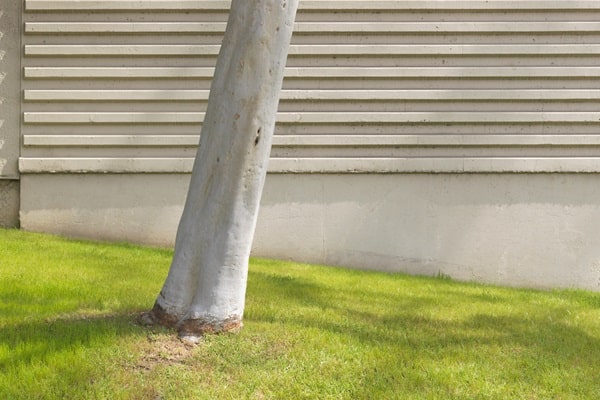
Other outdoor indicators include fence posts or trees tilting unexpectedly. These changes occur because the ground beneath them is shifting, causing stable structures to lean or fall over. If water starts to pool in areas of your yard where it previously drained well, it could also be a sign of a sinkhole disrupting the normal flow of water. Cracks in driveways or sidewalks are another clue, as these structures are often the first to shift when the ground below them becomes unstable.