
Limit Water Usage
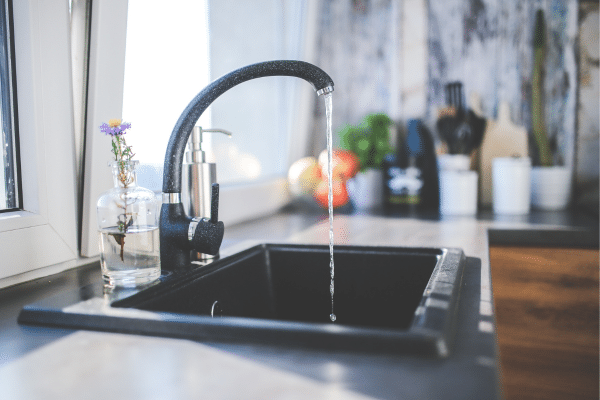
Water, one of life’s essential resources, often gets wasted in copious amounts in daily routines. Lengthy showers, dripping faucets, or inefficient appliances can lead to excessive water consumption, driving up utility bills, especially in regions where water prices are on the rise due to scarcity. Beyond the financial implications, conserving water is a crucial step towards sustainable living, ensuring that this precious resource remains available for future generations.
For those keen on reducing water usage, simple adjustments can make a noticeable difference. Installing aerators on faucets or low-flow showerheads can significantly reduce water flow without compromising on performance. Fixing leaks promptly and opting for water-efficient appliances, such as dishwashers or washing machines, can also curb water waste. Such small steps, when practiced consistently, can lead to tangible savings and a reduced ecological footprint.
Use Smart Thermostats

Smart thermostats have revolutionized the way homes are heated and cooled. These devices are designed to learn the preferences of inhabitants and adjust temperatures accordingly. Through this intelligent temperature management, they minimize energy wastage that occurs when heating or cooling unoccupied rooms or maintaining unnecessary temperatures during off-peak hours.
Investing in a smart thermostat can offer long-term savings. By tailoring temperature settings to actual needs, these devices ensure optimal energy usage. For instance, during winter, the thermostat can lower the heat when no one is home and warm up the space right before residents return. Over time, the energy conserved by such precise control translates to substantial reductions in utility bills, making smart thermostats a wise investment for both the wallet and the planet.
Hang Dry Your Clothes
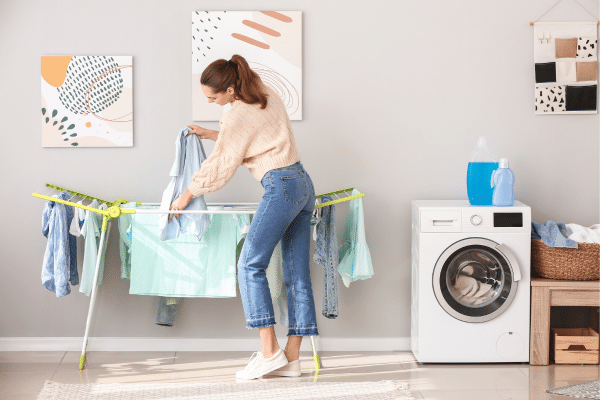
Modern conveniences, such as electric dryers, have become a staple in many households. Yet, they consume a significant amount of energy. On the other hand, air drying clothes, an age-old method, not only saves on electricity but often preserves the quality and longevity of fabrics. While this method might take a longer time, the environmental and economic savings, combined with the gentle treatment of clothes, make it worthwhile.
For those residing in areas with limited space or unpredictable weather, there are still solutions. Foldable drying racks or indoor clotheslines can be utilized. Not only does this reduce energy costs, but fabrics often retain their shape and color better, leading to less wear and tear over time. By choosing to air dry, households can witness a noticeable dip in their electricity bills while also minimizing their carbon footprint.
Switch To Energy-Efficient Light Bulbs

Traditional incandescent light bulbs, while familiar and initially affordable, have a higher operational cost due to their energy inefficiency. In contrast, energy-efficient alternatives like LED or CFL bulbs consume substantially less electricity and have a longer lifespan. This means that, over time, they not only reduce the frequency of replacements but also lead to considerable energy savings.
Making the switch to these energy-efficient options can have a tangible impact on monthly utility bills. Furthermore, as these bulbs emit less heat, they can indirectly contribute to reduced cooling costs in warmer climates or seasons. Beyond the immediate financial savings, adopting energy-efficient lighting plays a part in reducing overall energy consumption, contributing to a more sustainable future.
The Bottom Line
Cutting down on utility costs doesn’t necessarily entail drastic lifestyle changes. Simple hacks, as discussed in this article, can lead to significant savings over time. By adopting these measures, individuals can enjoy the dual benefits of reduced expenses and a greener, more sustainable lifestyle. Being mindful of daily habits and making informed choices can have far-reaching positive effects, both on the wallet and the planet.
