


Mitigating Risks Without Full Replacement

For homeowners unable to immediately replace lead pipes, there are interim measures to mitigate the risks. One effective short-term solution is the use of certified water filters specifically designed to remove lead. These can be installed on faucets or as part of the home’s main water system. Additionally, regularly flushing pipes by running cold water for a few minutes before use can help reduce lead concentration in the water. These methods, while not permanent solutions, can significantly reduce lead exposure.
Regular testing of water for lead content is another crucial step in risk mitigation. Homeowners should have their water tested by certified professionals to determine the lead levels and the effectiveness of any interim measures in place. This testing is particularly important for households with young children or pregnant women, where the risks of lead exposure are heightened. Educating oneself about the various methods of reducing lead exposure and remaining vigilant about water quality is an essential part of managing the risks associated with lead pipes until they can be fully replaced.
Case Studies: The Impact of Ignoring Lead Pipes

The perils of neglecting the issue of lead pipes are starkly illustrated through various case studies and real-life incidents. One notable example is the Flint, Michigan water crisis, where cost-cutting measures led to tainted drinking water, exposing thousands of residents to high levels of lead. This incident not only highlighted the immediate health impacts, such as lead poisoning in children, but also unveiled the broader systemic issues related to water infrastructure and public health safety. These case studies serve as a grim reminder of the consequences of inaction and the need for vigilance and proactive measures in dealing with lead pipes.
Another aspect illuminated by these case studies is the socio-economic dimension of the lead pipe problem. Often, the most affected are those in economically disadvantaged communities, where resources for pipe replacement and health interventions are scarce. The long-term societal costs, including healthcare expenses and loss of productivity due to health issues, underscore the need for comprehensive strategies that address both the technical and social aspects of lead pipe replacement. These real-world examples provide critical lessons in the importance of prioritizing public health and the role of policy in safeguarding communities.
Future Outlook and Preventive Measures
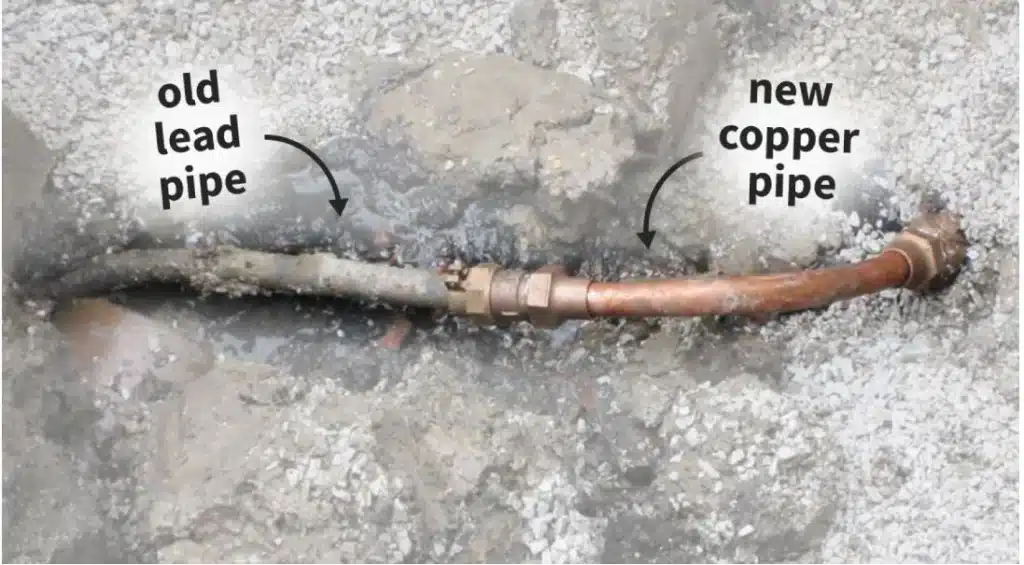
Looking toward the future, there is a growing momentum in both policy and technology to address the challenge of lead pipes in homes. Advances in plumbing technology and increased funding for infrastructure upgrades are paving the way for more efficient and affordable pipe replacement solutions. Governments and environmental agencies are also stepping up their efforts with more stringent regulations and greater public awareness campaigns. This forward-looking perspective offers hope and guidance for a future where the health risks associated with lead pipes are significantly diminished.
Preventive measures are also gaining traction, with an emphasis on early detection and regular maintenance to avoid the pitfalls of lead contamination. Educational programs aimed at homeowners, coupled with incentives for early pipe replacement, are part of a multi-faceted approach to tackle this issue. Community-level initiatives, such as collective funding schemes and local government support, are crucial in making pipe replacement more accessible and feasible. By fostering a proactive and preventive mindset, these measures aim to not only address existing lead pipe issues but also to prevent similar problems in new constructions, ensuring safer homes for future generations.
Toward a Lead-Free Future
The enduring challenge posed by lead pipes in older homes demands both awareness and action. From understanding the historical context to recognizing the severe health risks and from navigating legal complexities to exploring financial and interim mitigation strategies, this issue encompasses a broad spectrum of concerns. The lessons learned from past crises and the proactive steps being taken for the future highlight the importance of collective responsibility. It’s imperative that homeowners, communities, and policymakers work together towards the common goal of a lead-free living environment, ensuring safety and health for current and future generations.