
One theory suggests that this attachment may be a form of anthropomorphism, where human qualities are attributed to inanimate objects. For instance, an individual may feel guilty about discarding an item because they believe it has feelings, and discarding it would be akin to ‘abandoning’ or ‘hurting’ it. This emotional connection to possessions complicates the decision-making process around discarding items and leads to the persistent accumulation characteristic of hoarding behavior.
The Role of Trauma in Hoarding
Many individuals who hoard have experienced significant trauma in their lives. Traumatic events such as losing a loved one, divorce, or severe illness may trigger hoarding behavior as a coping mechanism. The items hoarded may serve as a form of comfort or security, providing a sense of control in a world that feels otherwise uncontrollable.
Research has shown a correlation between hoarding and post-traumatic stress disorder (PTSD), suggesting that hoarding behavior may be a response to trauma for some individuals. The items collected can serve as reminders of past events or loved ones, allowing the individual to maintain a connection with a happier time or a person they’ve lost. Addressing these underlying traumas is a crucial part of the treatment process for hoarding.
Cognitive Functioning and Decision-Making in Hoarding

Hoarding behavior is also closely linked to certain cognitive and decision-making processes. Individuals with hoarding disorder often have difficulty categorizing items, focusing attention, and deciding what to keep and discard. These cognitive challenges can lead to an ‘out of sight, out of mind’ mentality where the individual fears they will forget about an item or the information it contains if they don’t have it in view.
Moreover, individuals who hoard often exhibit perfectionism and indecisiveness. They might delay the decision to discard an item out of fear of making a mistake or regretting it later. The inability to decide ultimately leads to the accumulation of items. These cognitive aspects of hoarding illustrate how this behavior goes beyond simple clutter and reflects more complex mental processes.
The Impact of Hoarding on Quality of Life

Hoarding can have severe consequences on an individual’s quality of life. The accumulation of items can make living spaces unsafe or even uninhabitable, leading to potential health risks such as falls, fires, or illnesses due to unsanitary conditions. Moreover, severe hoarding can limit a person’s social activities, leading to isolation, loneliness, and strained relationships with family and friends.
In addition to the physical implications, hoarding also has significant psychological impacts. The disorder is often associated with high levels of anxiety and depression. Additionally, individuals with hoarding disorder may experience intense feelings of shame, embarrassment, or guilt about their living conditions, further contributing to their emotional distress and isolation.
Treatment Approaches for Hoarding
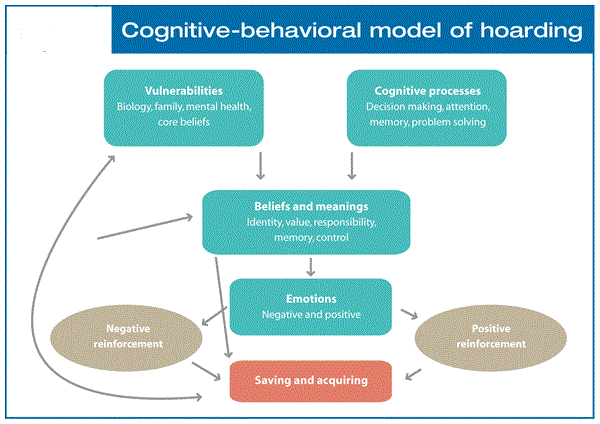
There are several treatment approaches for hoarding disorder, with cognitive-behavioral therapy (CBT) being the most effective. CBT involves helping individuals recognize and challenge their harmful thoughts and beliefs about their possessions, learn decision-making and organizing skills, and gradually confront their anxiety about discarding items.
In addition to CBT, some clinicians may use motivational interviewing techniques to increase the person’s motivation to change their hoarding behaviors. Group therapy can also benefit individuals, providing a supportive environment to share their experiences and learn from others. In some severe cases, medication may be used in conjunction with therapy. It’s important to note that treatment can be a lengthy process due to the complexity of the disorder and the individual’s resistance to change.
How Friends and Family Can Help

Friends and family can play a crucial role in helping a loved one who hoards. Providing emotional support, understanding, and patience can make a significant difference. However, it’s essential to respect the individual’s autonomy and not discard items without their consent, as this can lead to more distress and potentially worsen the hoarding behavior.
Encouraging the individual to seek professional help can also be beneficial. Helping them understand that hoarding is a recognized mental health disorder that can be treated can be a significant first step. Participating in therapy sessions, if appropriate and welcomed, can also provide a better understanding of the disorder and how to assist effectively.
Hoarding During the COVID-19 Pandemic

The COVID-19 pandemic has had a significant impact on hoarding behaviors. With the fear of shortages and lockdowns, some individuals have been triggered to hoard certain items, such as toilet paper, hand sanitizer, and food. For individuals already struggling with hoarding disorder, the pandemic may have exacerbated their symptoms.
However, the pandemic has also highlighted the importance of teletherapy and online support groups in providing mental health services. This shift could be particularly beneficial for individuals with hoarding disorder, as it allows for treatment access without the need for a clean and uncluttered space typically required for in-person sessions.
Understanding and Addressing Hoarding Behavior
Hoarding behavior is a complex issue that involves various psychological factors, from anxiety and fear to attachment to possessions, trauma, and cognitive processes. It impacts the individual’s living conditions, mental health, and quality of life. Understanding the psychology behind hoarding can foster empathy towards individuals who hoard and guide more effective, evidence-based treatment approaches. Despite the challenges posed by this disorder, there is hope. With increased awareness, research, and access to effective treatments, hoarders can lead healthier and happier lives.
