

Utilizing Rainwater

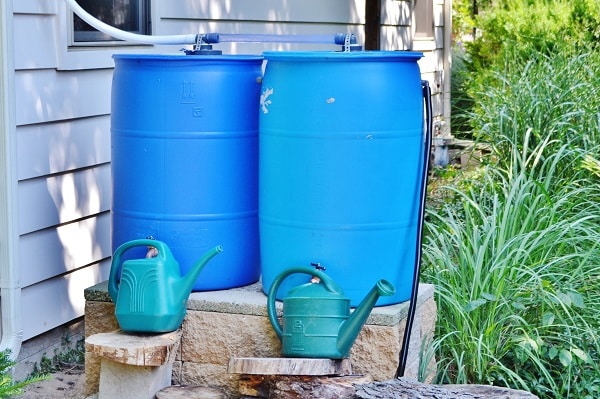
Harnessing nature’s supply can be both economically and environmentally rewarding. Collecting and using rainwater reduces dependency on municipal supplies, ensuring lawns receive untreated, soft water. To this end, setting up rain barrels can be instrumental. Not only do they provide a steady water supply during dry spells, but they also help in water conservation efforts. Yet, while rainwater has its merits, ensuring its purity is crucial. Covering barrels, using filters, and occasional cleaning can keep stored water free from contaminants and are ideal for lawn use.
Automatic Sprinklers and Irrigation Systems

The allure of automation is undeniable. Automatic sprinkler systems promise consistent watering without the hassle of manual intervention. They come equipped with timers and rain sensors and can be zoned to uniquely cater to different lawn sections. However, while convenient, they aren’t devoid of challenges. Maintenance, for instance, is crucial. Sprinkler heads can clog or malfunction, leading to uneven watering. Furthermore, winterizing these systems in colder regions is imperative to prevent damage. Despite these challenges, with proper care, these systems can be invaluable tools for those seeking a hands-off approach to lawn care.
Conservation and Sustainable Watering
In an era increasingly aware of environmental concerns, water conservation takes center stage. Lawns, while aesthetically pleasing, need not be water guzzlers. Techniques like xeriscaping, which involves landscaping with drought-resistant plants, can significantly reduce water needs. Opting for drought-tolerant grass varieties can offer lush lawns without excessive water consumption. Efficient watering tools, such as soaker hoses and drip irrigation systems, ensure water reaches plant roots directly, minimizing wastage. Embracing such sustainable practices guarantees a green lawn in every sense.
Evaluating Watering Tools and Equipment

The tools you choose for watering can significantly influence the effectiveness of your efforts. Traditional garden hoses, while universally accessible, may not always provide the most efficient means of hydration. They can sometimes distribute water unevenly and waste water due to over-spray or evaporation. On the other hand, soaker hoses and drip irrigation systems offer targeted watering, delivering moisture directly to the root zones, ensuring minimal loss and maximum absorption. These systems are especially beneficial for gardens and plant beds.
Sprinkler systems, both stationary and oscillating, can cover larger areas, making them ideal for expansive lawns. Yet, it’s crucial to position them judiciously to avoid watering non-plant areas like driveways or sidewalks. Also, regular checks for wear and tear, ensuring even water distribution, and calibrating their range, can make a significant difference. The world of watering tools is vast, and understanding the merits and demerits of each can ensure not just a thriving lawn but also efficient water use. As always, matching the tool to the task is the gardener’s mantra.
The Bottom Line
In lawn care, watering stands out as an art as much as it does a science. Recognizing a lawn’s unique needs, adapting to changing climatic conditions, and leveraging the best tools and techniques can transform even the most lackluster turf into a verdant paradise. Yet, as this guide underscores, it’s not just about aesthetics. Conservation and sustainability are integral. By marrying the desire for picturesque lawns with eco-conscious practices, one ensures that the joys of a lush, green lawn remain accessible for generations to come.